Scotland still have 2028 T20 World Cup automatic qualification incentive

The Stakes Beyond the Semi-Finals
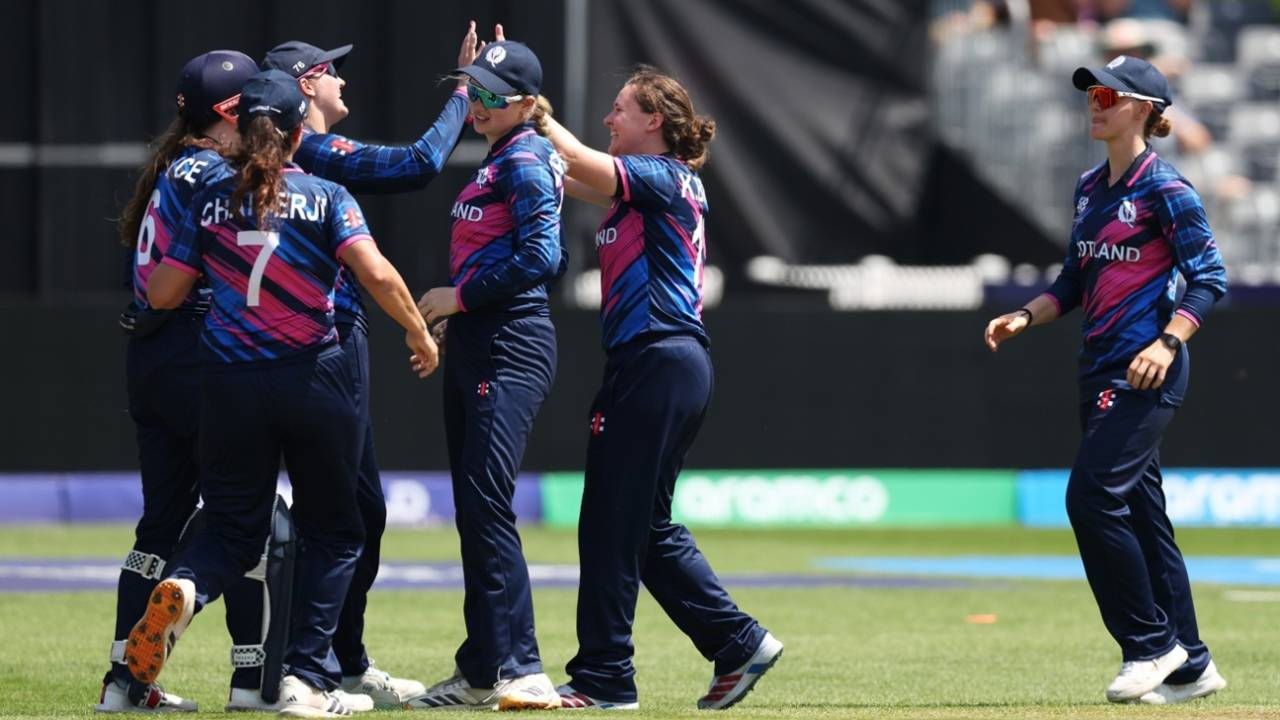
While the dream of lifting the trophy may have faded for some, the intensity of the T20 World Cup remains high. For Scotland, the upcoming final group match is far from a dead rubber. It represents a critical juncture in their cricketing trajectory, as Scotland still have 2028 T20 World Cup automatic qualification incentive to secure a place in the next tournament, which is set to be hosted by Pakistan.
Understanding the Qualification Landscape
The qualification process for the 2028 T20 World Cup is rigorous, and avoiding a global qualifier tournament is a priority for every competing nation. The ICC has established clear criteria for teams looking to book their tickets directly to Pakistan. According to recent confirmations, the teams that finish in the top four of each group at the current T20 World Cup will automatically qualify for the 2028 edition.
The full criteria for automatic entry include:
- The top eight teams (those finishing in the top four of each group) from the current T20 World Cup cycle.
- The host nation, Pakistan, who qualify automatically regardless of their current tournament standing.
- The next-highest-ranked teams based on the ICC Women’s T20I rankings as of July 6, 2026.
- Two additional slots reserved for teams advancing through the global qualifier.
The Path Forward for Scotland
Scotland currently finds itself in fifth place within its group. However, the table remains tight, and a final showdown against fourth-placed Sri Lanka offers a golden opportunity to climb the ladder. Scotland is only marginally behind Sri Lanka and sits within striking distance of New Zealand in terms of net run-rate. Should Scotland secure a victory in their final match, they could potentially leapfrog their rivals, reaching four points and forcing a reshuffle in the standings.
This is vital because, with Pakistan already qualified as hosts, the pathway via the ICC rankings becomes increasingly narrow. Currently, Ireland sits in ninth, Bangladesh in tenth, and Scotland in 11th. While Scotland recently secured a victory over Ireland, they remain behind them in the rankings. A top-four finish in the current World Cup would bypass the need to rely on the rankings or face the high-stakes pressure of a global qualifier later on.
Why Every Match Matters
The evolution of international cricket means that the gap between the top-tier nations and those climbing the ranks is closing. With only two spots available via the global qualifier for the next T20 World Cup, relying on that route is a risky proposition. Earlier this year, teams like Bangladesh, Ireland, Scotland, and the Netherlands all showcased their potential by advancing from the qualifiers. Now, they must prove their consistency on the biggest stage.
For the Scottish team, the motivation to perform against Sri Lanka is clear. Finishing in the top four is not just about the pride of the current tournament; it is about securing the future. It provides the team with a clear roadmap, avoiding the uncertainty of qualifying tournaments and allowing for a focused development cycle leading into 2028. As the players take the field for their final group encounter, they carry the weight of their own future, knowing that a professional and clinical performance could change the course of their next few years in international cricket.
The tournament structure ensures that every ball delivered and every run scored has a long-term impact. For the fans and the players alike, the goal is simple: maximize the final opportunity and ensure that Scotland is represented on the global stage when the caravan moves to Pakistan in 2028.