PCB May Fly Players to USA for Power-Hitting Training: A Strategic Move

The Pakistan Cricket Board (PCB) is currently exploring an innovative program that could see a select group of its cricketers flown to the USA for specialized power-hitting training. This strategic move is part of a broader effort to expose players to diverse learning environments and harness advanced coaching methodologies. While the intricate details regarding logistics and player selection are still being finalized, Pakistan’s white-ball coach, Mike Hesson, has confirmed that such a plan is indeed under active consideration.
Hesson elaborated on the rationale behind this ambitious venture, stating, “We’re sending some players to the US. There’s some power-hitting expertise over there, and we’re exploring some options.” He further explained that the initiative is designed to benefit both players recovering from long-term injuries and those who could benefit from exposure to different power-hitting techniques. The goal is to immerse them in a distinct learning environment, allowing them to spend an extended period—potentially four months—in one location to absorb fresh ideas and refine their skills.
This proposed overseas training program aligns seamlessly with the PCB’s overarching commitment to revolutionize the medical and fitness culture within Pakistan cricket. For an extended period, the fitness standards and medical support systems have been perceived as areas needing significant improvement. Earlier this year, a pivotal step was taken with the appointment of Dr. Javed Mughal, a distinguished UK-based physiotherapist, as the Director of Sports and Exercise Medicine. During a recent press conference alongside PCB Chairman Mohsin Naqvi, Dr. Mughal unequivocally declared fitness to be a “non-negotiable” aspect of professional sport. He also revealed that the PCB has implemented a “robust, reliable, and repeatable testing and screening battery” which is now being applied to all players, marking a decisive shift towards a more disciplined approach to player welfare and performance.
Hesson acknowledged Dr. Mughal’s profound impact and the ongoing transformations within Pakistan’s National Cricket Academy (NCA). He emphasized that the decision to send players to the USA transcends mere strength and conditioning. “There’s a bit of a collaboration. It’s certainly not just strength and conditioning,” Hesson clarified. He highlighted Dr. Mughal’s role in fundamentally altering the way players are assessed and trained, underscoring the need for time to meticulously plan and execute these comprehensive changes.
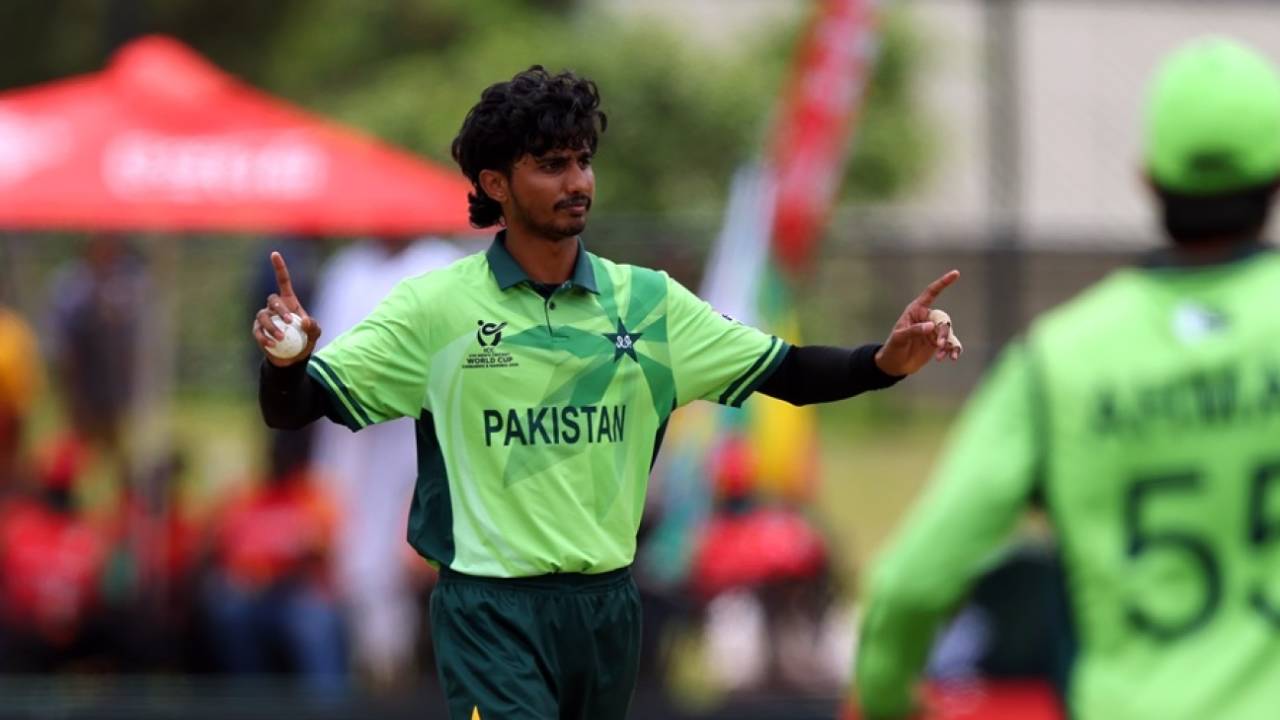
Among the promising talents being considered for this specialized training is Ali Raza, an 18-year-old fast bowler from the U19 setup. Raza is widely regarded as one of Pakistan’s most exciting white-ball pace prospects. His impressive track record includes being a key member of the Pakistan team that clinched the 50-over U19 Asia Cup last year, triumphing over India in the final, where he delivered a superb performance taking 4-42, including the crucial early wicket of Vaibhav Sooryavanshi. Furthermore, earlier this year, Raza showcased his potential by taking a hat-trick for Peshawar Zalmi in the Pakistan Super League (PSL), a season which his team ultimately won. Despite his burgeoning talent, Raza has yet to make his international debut, although he has been included in Pakistan’s Asian Games squad for later this year. The PCB’s keen interest in prioritizing his fitness and managing his workload underscores their long-term vision for his career.
Addressing common concerns regarding fast bowler injuries, Hesson offered a reassuring perspective. “Pace bowling wise, there’s no more injuries [within Pakistan] than there are anywhere else in the world,” he asserted. He detailed the specific challenges faced by young pacers like Ali Raza, focusing on the rigorous process of preparing him to be “fit and strong enough to deal with the demands of international cricket.” The objective is to enable him to bowl multiple spells consistently and sustain his blistering pace. Hesson noted that Raza’s top-end pace is undeniably exciting, but recognized that as match pressure intensifies, so too do the physical demands on a bowler’s body. Therefore, dedicated work on his physical conditioning is paramount to ensure he can endure and excel under such pressures.
Overall, Hesson conveyed a remarkably upbeat sentiment regarding this innovative player development strategy. He expressed satisfaction that the PCB is actively exploring such advanced options, rather than adopting a restrictive approach that confines players to traditional training methods within Pakistan. This forward-thinking mindset reflects a new era of player development, aiming to equip Pakistan’s cricketers with the skills, fitness, and mental fortitude required to compete at the highest international levels.