Vijay Hazare Trophy 2025-26: Shaping the Future of Indian ODI Cricket

The Significance of the 2025-26 Vijay Hazare Trophy
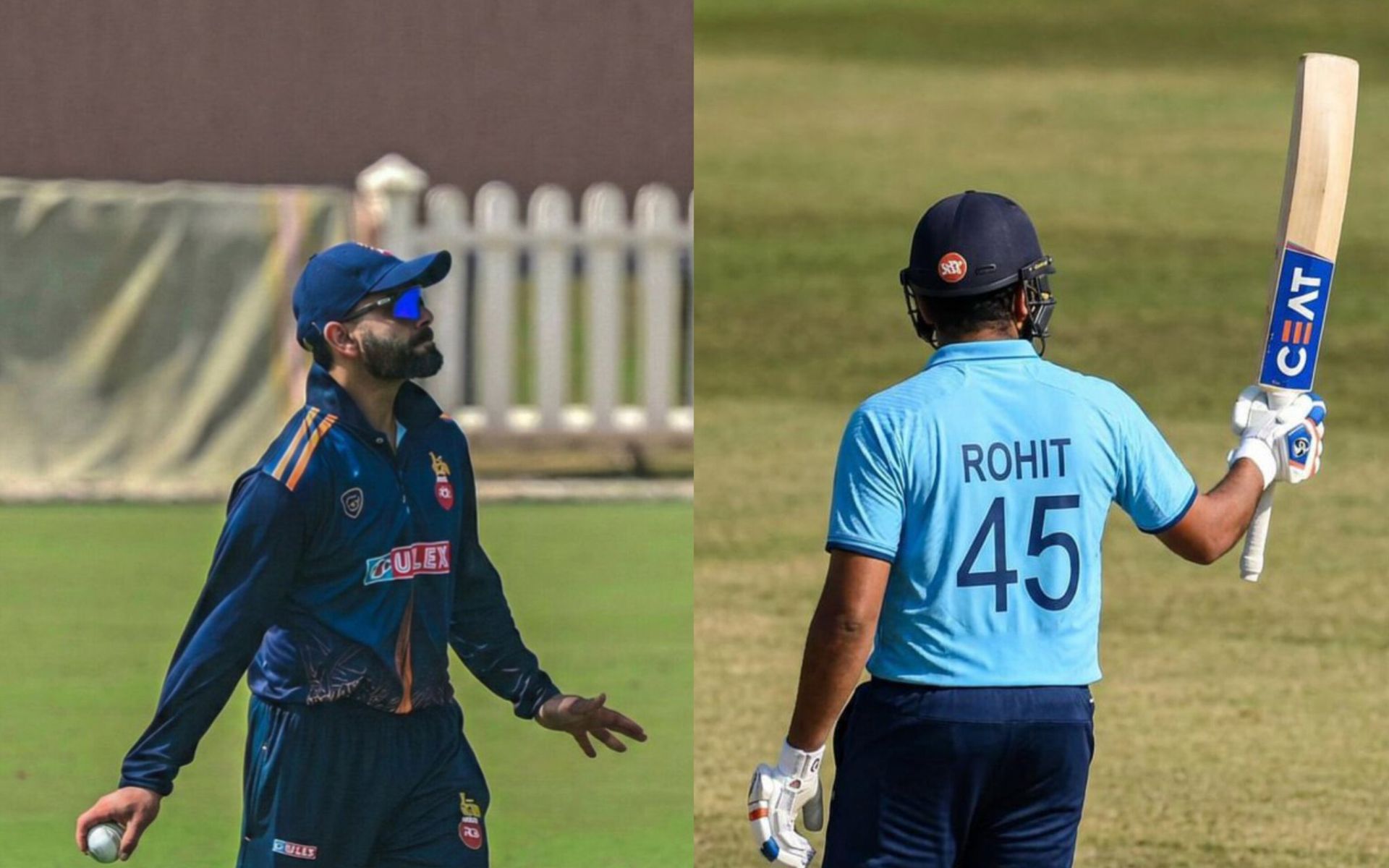
The 33rd edition of the Vijay Hazare Trophy, which commenced on December 24, has rapidly evolved into a centerpiece of the domestic calendar. While the participation of cricket icons Virat Kohli and Rohit Sharma has naturally drawn significant attention, the tournament serves a much deeper purpose for the Board of Control for Cricket in India (BCCI). As the Indian national team navigates a period of transition, this List-A competition has become the primary laboratory for selectors to identify the next generation of talent capable of making the leap to the international stage.
The Dynamics of Kohli and Sharma
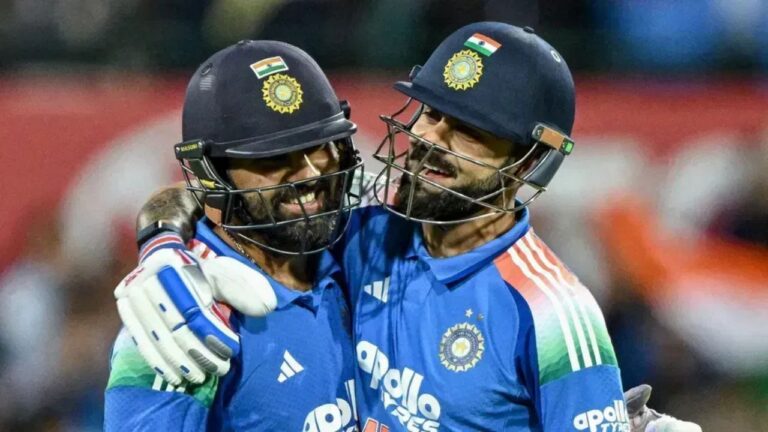
The inclusion of stalwarts like Virat Kohli and Rohit Sharma in domestic fixtures has sparked extensive debate among cricket stakeholders. While some argue that such seasoned veterans should focus solely on international commitments, the BCCI’s directive has been clear. Former India chief selector MSK Prasad recently offered a balanced perspective, noting that while clarity in communication is vital, constant pressure regarding domestic appearances could create unnecessary ambiguity within the team management.
Despite the discourse, both legends have demonstrated their class, opening their domestic campaigns with centuries. These performances underscore their intent to remain competitive ahead of the 2027 World Cup. As Kohli famously noted in a post-match presentation, his preparation is increasingly mental rather than merely physical, suggesting that as long as his mindset remains sharp, his performance levels will likely follow. However, maintaining match fitness amid a rigorous international schedule remains the true challenge for these veterans.
Identifying the Successor for the Number Three Spot
One of the most pressing questions for the Indian management is the future of the number three batting position—a spot held with distinction by Virat Kohli for over 15 years. While Kohli’s current form provides a safety net, the team must plan for a potential transition. Should his form fluctuate or as he approaches the age of 39 by the conclusion of the 2027 World Cup, a stable alternative will be required.
Dhruv Jurel has emerged as a promising candidate to monitor. His performance in the ongoing Vijay Hazare Trophy has been clinical, amassing 147 runs in just two games at an impressive average of 73.50 and a strike rate exceeding 124. If Jurel can sustain this level of efficiency, he may well find himself firmly in the team management’s long-term planning for the pivotal middle-order role.
Bolstering the Pace Attack
The reliance on Jasprit Bumrah has exposed a potential vulnerability in India’s pace-bowling depth. To succeed in 50-over conditions, the team requires a robust pool of fast bowlers who can perform across various formats. The current edition of the Vijay Hazare Trophy has highlighted two pacers who demand immediate attention: Baroda’s Raj Limbani and Uttarakhand’s Devendra Singh Bora.
- Raj Limbani: With eight wickets in his first two innings, including a spectacular five-wicket haul, Limbani has established himself as a dominant force in the tournament.
- Devendra Singh Bora: Bora has taken seven wickets in two appearances, including a notable four-wicket haul. His ability to dismiss high-profile batters, including a golden duck against Rohit Sharma, has marked him as a bowler of significant potential.
Conclusion: Preparing for the Uncertainties
While India’s talent pool remains rich, the game of cricket is inherently unpredictable. The 2025-26 Vijay Hazare Trophy is not just about scoring runs or taking wickets; it is about building a sustainable framework for the future. By integrating the experience of legends with the hunger of emerging stars like Jurel, Limbani, and Bora, the Indian think tank is taking proactive steps to ensure that they are prepared for every scenario, no matter how few or burning the questions may be.