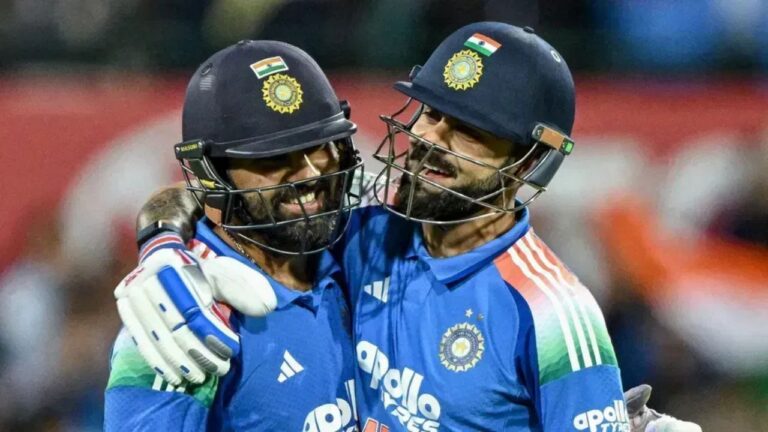
IPL Chair Issues ‘Football’ Culture As Biggest Threat To Cricket’s Future

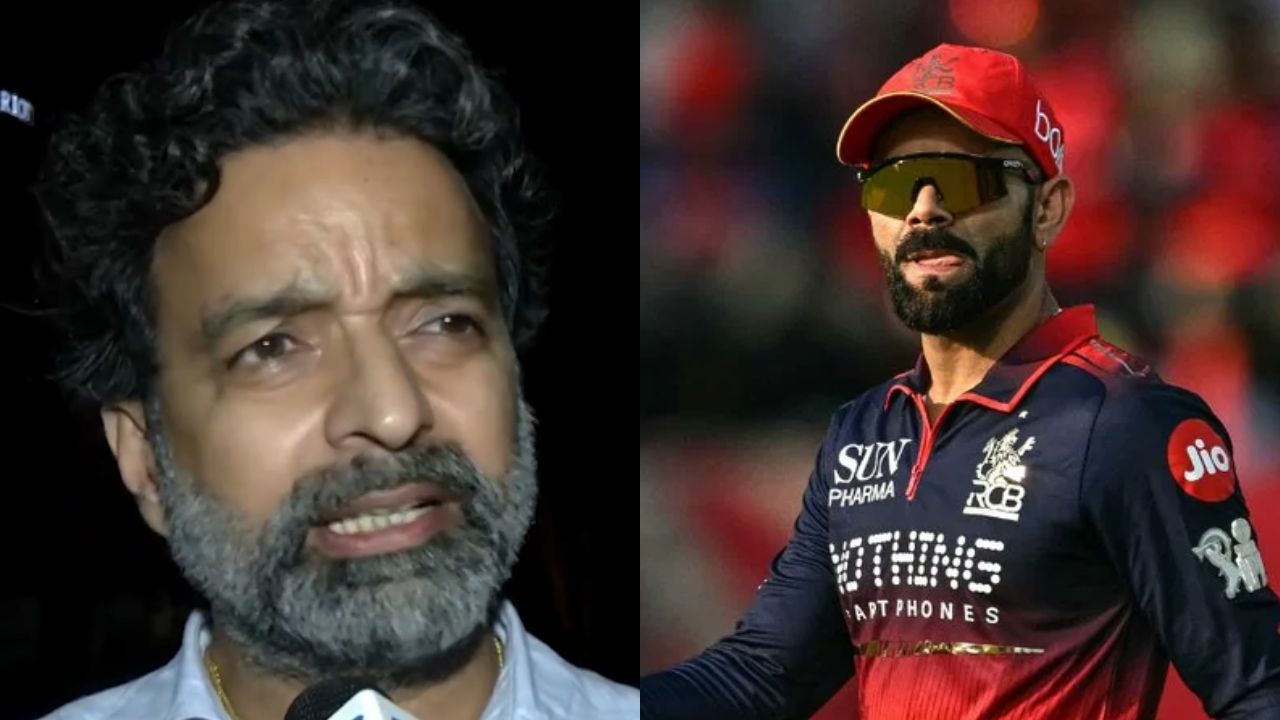
The Shifting Landscape of Global Cricket
The world of cricket is currently standing at a significant crossroads. As the influence of franchise-based T20 leagues continues to expand globally, stakeholders are beginning to question the long-term sustainability of the traditional international bilateral calendar. In a recent and thought-provoking discussion, the Chairperson of the Indian Premier League (IPL), Arun Dhumal, highlighted a critical concern: IPL Chair Issues ‘Football’ Culture As Biggest Threat To Cricket’s Future.
This warning is not merely about the popularity of T20 cricket, but rather the structural shift that mirrors the evolution of professional football. In the football model, club competitions like the English Premier League and the UEFA Champions League have become the primary focus for both financial investment and player loyalty, often overshadowing international fixtures. Dhumal’s observations suggest that cricket is slowly drifting toward a similar reality.
The Rise of the Franchise Model
In football, the most elite players spend the majority of their time playing for massive clubs, with international duty often playing a secondary role in their career planning. Cricket is beginning to mirror this trajectory. With the inception of leagues such as the SA20, Major League Cricket, The Hundred, and the ILT20, the sport now boasts a near year-round circuit. These leagues offer lucrative, life-changing salaries that provide a tempting alternative to the grind of international bilateral series.
This environment has led to a noticeable shift in player priorities. We are seeing more talent transition into the role of ‘T20 freelancers,’ choosing to retire early from the international stage to focus on securing contracts in global franchise leagues. This trend is not just limited to players; fans are also increasingly drawn to the high-intensity, short-form entertainment provided by these tournaments, which often feature packed stadiums and elite production values.
Financial Realities and Broadcaster Influence
Dhumal emphasized that the shift is largely driven by the economics of the sport. Broadcasters are the lifeblood of modern cricket, and their investment follows the viewership. During the challenging times of the COVID-19 pandemic, cricket administrators worked tirelessly to keep the sport afloat globally. However, the current economic reality is that many nations rely heavily on series against India to maintain their financial viability.
“Broadcasters are the most important stakeholders,” Dhumal noted. “They hold both BCCI and IPL rights, and we have seen that every cricketing nation wants a series against India because it helps monetise the game. Money is important.” He further pointed out that there is a finite limit to how much international cricket can be played before the schedule becomes unsustainable, which naturally creates space for the growth of diverse franchise competitions.
The Fragile Future of Test Cricket
Perhaps the most poignant part of Dhumal’s message concerns the future of Test cricket. While he remains optimistic about the enduring appeal of the longest format—citing the India-England series as a prime example of the passion fans still have for the game—he acknowledges the inherent risks. Test cricket requires weeks of commitment and significant physical exertion, making it a difficult sell in an era where faster, high-revenue formats dominate the market.
The concern is that if franchise leagues continue to drain the schedule, bilateral Test series could become a luxury that only the wealthiest cricket boards can afford. While the ICC World Test Championship provides a structured pathway for the format, the broader calendar faces the threat of shrinkage. The sport is at risk of bifurcation, where international cricket is relegated to major ICC events and a few marquee rivalries, while the daily diet of the sport is dominated by franchise leagues.
Adapting to a Changing World
The message from the IPL Chairperson is not intended to spark alarmism, but rather to serve as a call for strategic preparation. Cricket is unlikely to lose its international soul, especially given the prestige of the Cricket World Cup and the T20 World Cup, which remain the pinnacle of the sport. However, the balance of power is undeniably shifting.
As we move forward, the challenge for cricket’s administrators will be to find a harmonious existence between the lucrative, high-growth franchise model and the traditional international structure. The sport must adapt to ensure that it remains both financially robust and culturally significant. The evolution into a ‘football-style’ structure may be inevitable, but through careful planning, the essence of cricket can be preserved for generations to come.