IPL 2026: “Release” – Aaron Finch gives blunt verdict on Ruturaj Gaikwad and Cameron Green

- Aaron Finch’s Strategic Approach to Player Valuations
- The Ruturaj Gaikwad Conundrum: Release to Re-acquire?
- Cameron Green: Workload Concerns and Investment Risk
- Yuzvendra Chahal: Past His Prime or Misused?
- Future Potential and Veteran Experience: Other Key Verdicts
- Conclusion: A Smarter Approach to IPL Squad Building
The conclusion of a two-month-long, action-packed IPL season signals the start of intense strategizing for franchises, as they prepare for the upcoming IPL 2026 mini-auction. With overseas combinations under scrutiny and salary budgets being meticulously reviewed, teams face the challenging task of making difficult retention and release decisions. In this pivotal period, former Australian captain Aaron Finch has shared his expert insights, offering a clear perspective on which players might be released and subsequently targeted for re-acquisition.
Aaron Finch’s Strategic Approach to Player Valuations
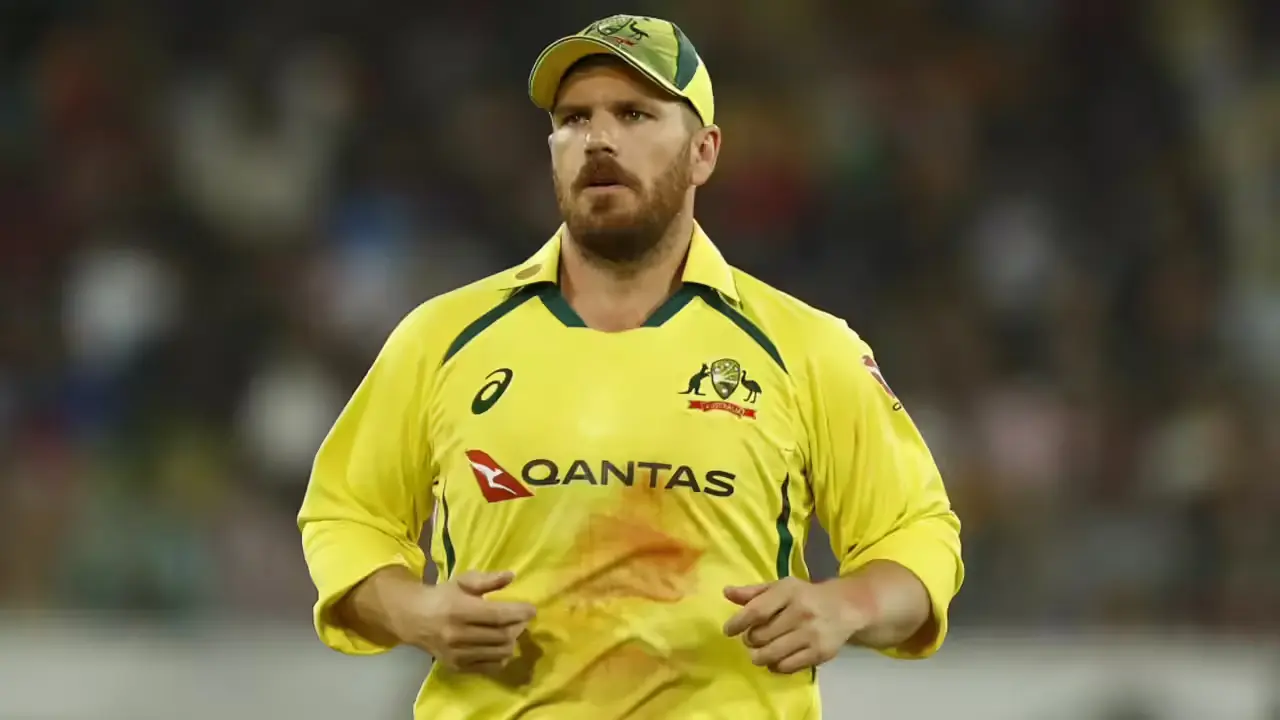
Aaron Finch, renowned for his astute understanding of T20 cricket, emphasized the need for franchises to adopt a smarter, more calculated approach when dealing with expensive players ahead of the auction. His recommendations often revolve around the principle of releasing players to potentially buy them back at a lower price, thereby optimizing salary caps and ensuring better value for money.
The Ruturaj Gaikwad Conundrum: Release to Re-acquire?
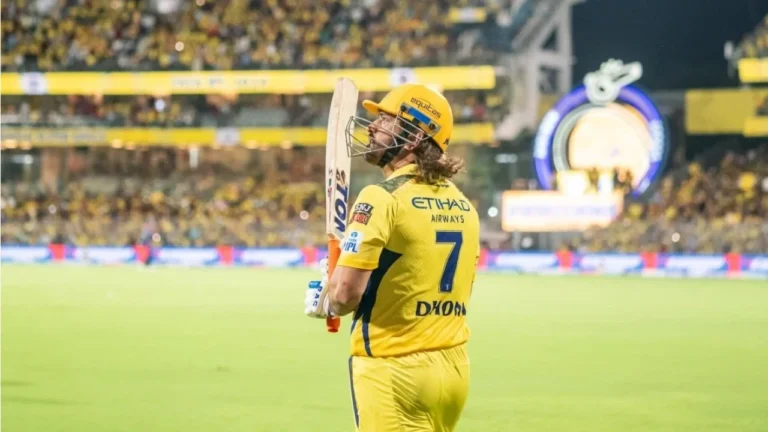
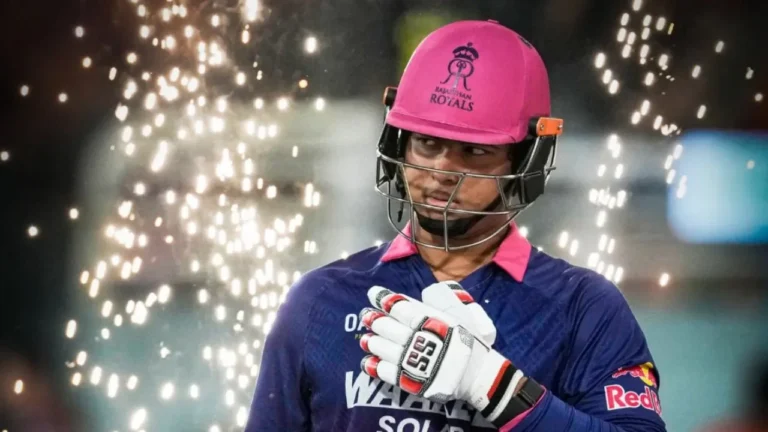
One of the notable players discussed by Finch was Chennai Super Kings opener Ruturaj Gaikwad. Despite his talent, Gaikwad played the season with a substantial 18 crore salary tag. Finch’s blunt verdict on Gaikwad was unambiguous: “I think release ’cause you’d be able to buy him back cheaper than that.”
Gaikwad’s performance this season, while showing flashes of brilliance, did not consistently translate into match-winning scores. He accumulated 337 runs in 14 matches at an average of 28.08 and a strike rate of 123.44. Finch’s suggestion underscores a common challenge for franchises: balancing a player’s potential and past heroics against their current season’s output and the financial outlay. The high price tag often comes with immense pressure to perform consistently, and when that consistency falters, a strategic release becomes a viable option.
Cameron Green: Workload Concerns and Investment Risk
Another significant investment under Finch’s radar was Cameron Green, acquired by Kolkata Knight Riders for a staggering Rs 25.2 crore. Finch expressed considerable concern regarding the Australian all-rounder’s physical condition, particularly given Australia’s demanding upcoming Test schedule. This international workload presents a significant risk for IPL franchises.
Finch stated, “That’s a lot of money for a player that you don’t know what their body’s going to be like, especially with Australia with so much Test cricket coming up. I’ll say release to buy him back pending how his body is shaping up after a huge workload.”
Green’s performance this season saw him score 310 runs at a strike rate above 150 and pick up five wickets. While these numbers are decent, the immense financial commitment combined with the uncertainty surrounding his availability and peak fitness due to international duties makes him a high-risk retention. Finch’s perspective highlights the precarious balance franchises must strike between securing top talent and managing the practicalities of international cricket schedules.
Yuzvendra Chahal: Past His Prime or Misused?
Veteran leg-spinner Yuzvendra Chahal also came under Finch’s scrutiny. Playing for Punjab Kings on an 18 crore contract, Chahal’s season saw him take 12 wickets in 12 matches at an economy rate of 9.39. While he delivered impressive spells, such as 2/25 against Lucknow Super Giants, consistency proved elusive. More critically, Finch observed a noticeable shift in team tactics regarding Chahal:
“Tossing up whether Yuzi is past his best. His best is still fantastic. So many left-handers and throughout the season we saw a reluctance to bowl him in some crucial stages which we haven’t seen before in the past. So I’m going to say release.”
Finch’s observation points to an evolving challenge for leg-spinners in T20 cricket, particularly against teams stacked with left-handed batters. The reluctance of captains to deploy Chahal in critical middle-over situations, a role he once dominated, suggests that his perceived effectiveness may be waning in certain match-ups. This tactical shift, combined with his high price tag, makes him another candidate for a strategic release.
Future Potential and Veteran Experience: Other Key Verdicts
Finch did not stop at these high-profile names, offering his views on a range of other players, balancing future potential with current form and T20 suitability.
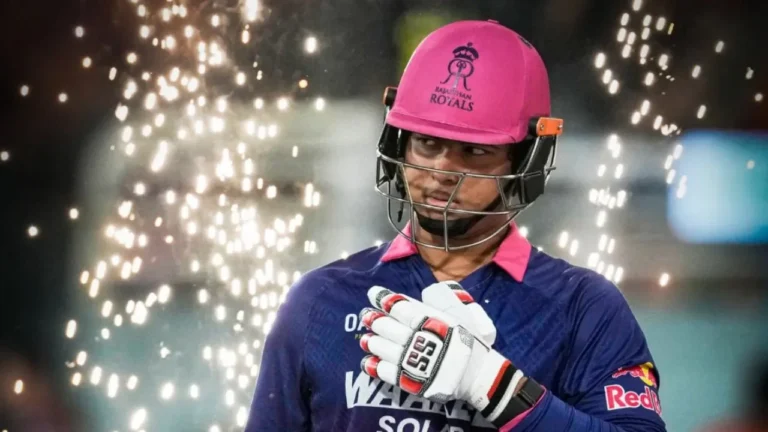
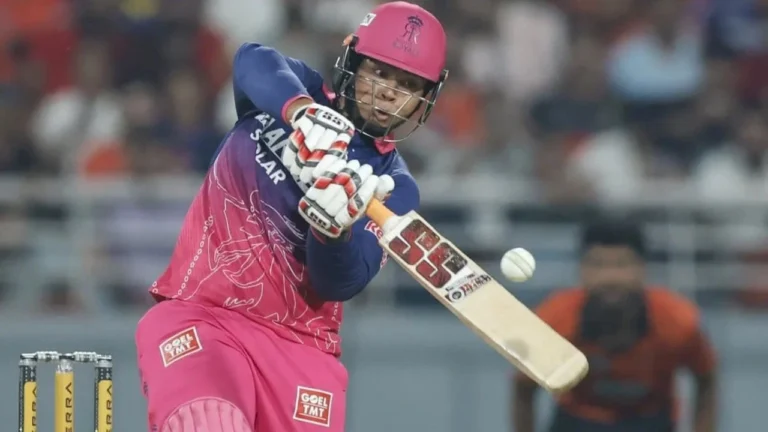
- Prashant Veer: Despite a high price tag for an uncapped batter, Finch expressed confidence in Veer’s future potential. “Did we see enough of him? There’s enough there to build for the future. Yes, it’s a big price, but retain.” This decision underscores the importance of long-term vision and investing in young talent.
- Ajinkya Rahane: The veteran batter’s quality was praised, but Finch questioned his batting approach in the modern, aggressive landscape of T20 powerplay batting. “His best is still good enough but is the game going in a different direction especially inside the power play? 1.5, retain.” This nuanced view suggests that while Rahane still offers value, his role might need adaptation to the evolving demands of the format.
- Rishabh Pant: Following Lucknow Super Giants’ tenth-place finish, Finch advised franchises to release expensive players like Pant, aligning with the overall strategy of reassessing high-value contracts.
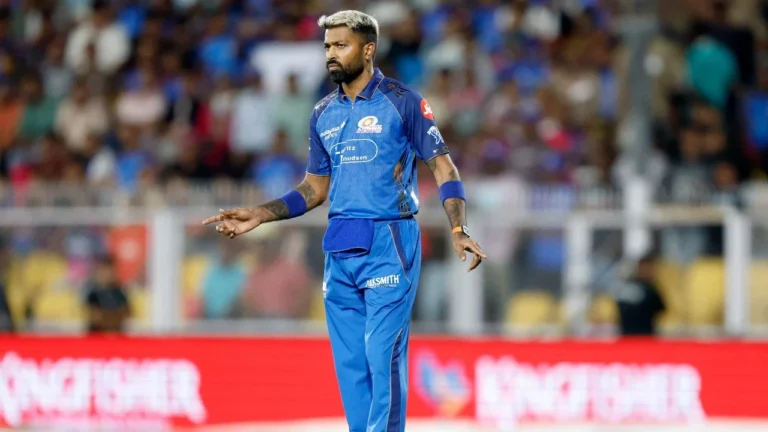
- Suryakumar Yadav and Hardik Pandya: In contrast, Finch backed the retention of established stars like Suryakumar Yadav and Hardik Pandya, recognizing their consistent match-winning abilities and indispensable value to their respective teams.
Conclusion: A Smarter Approach to IPL Squad Building
Aaron Finch’s comprehensive analysis provides a blueprint for a more strategic and financially prudent approach to IPL squad building. His verdicts on players like Ruturaj Gaikwad and Cameron Green, advocating for a ‘release and re-buy’ strategy, highlight the importance of not just a player’s ability, but also their price-to-performance ratio, injury history, and international workload. As franchises gear up for IPL 2026, these insights from an experienced cricketing mind will undoubtedly influence key decisions, shaping the rosters and fortunes of teams in the seasons to come.