Nitish Rana Dismissal Controversy: Why the Umpire’s Decision Was Correct

The Anatomy of a Cricket Controversy
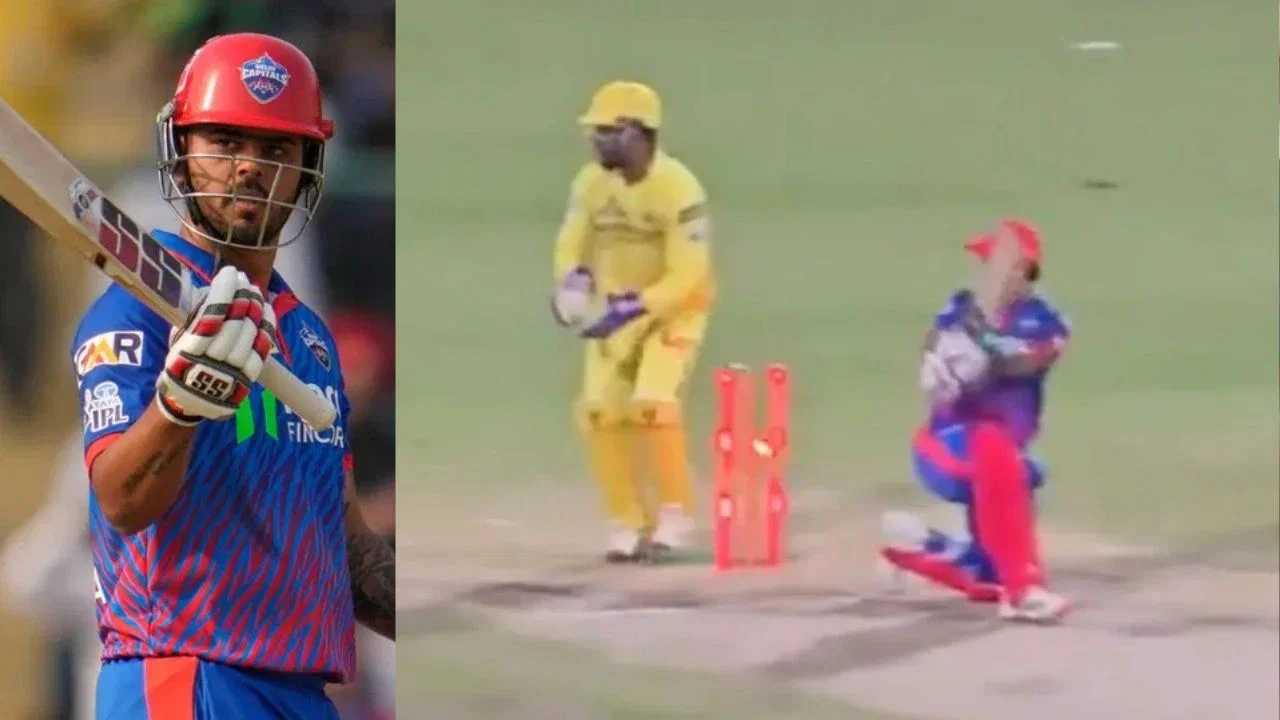
In the high-stakes environment of the Indian Premier League, every decision carries immense weight. Recently, a heated debate emerged following the dismissal of Delhi Capitals batter Nitish Rana during a match against the Chennai Super Kings. With the bails being dislodged at the Arun Jaitley Stadium, fans and pundits alike were left questioning why the officiating umpires did not intervene to declare a ‘dead ball.’ This article examines the facts behind the incident and explores the specific MCC laws that governed the umpire’s final verdict.
Setting the Stage: The Delhi Capitals’ Struggle
The Delhi Capitals find themselves in a precarious position this season. Having suffered six losses, their path to the playoffs has become mathematically improbable. Even with a perfect run in their remaining matches, securing 16 points may not be enough to overcome the superior net run rates of their competitors. The pressure was already mounting when Nitish Rana, who has been in promising form, walked out to bat on a tricky Delhi surface.
The Incident at the Crease
As the match unfolded, a viral video surfaced showing the bails falling from the stumps just moments before Nitish Rana attempted a shot. The confusion was immediate. Was it a ‘hit wicket’? Was it a ‘dead ball’? Reports clarified that the bails were dislodged by the wind, a frequent occurrence due to the gusty weather at the Arun Jaitley Stadium, rather than by the batter or the wicketkeeper, Sanju Samson.
Applying the Laws of Cricket: Why No ‘Dead Ball’?
To understand the umpire’s decision, one must look at the official MCC Laws of Cricket. Under Law 20, an umpire is empowered to call a ‘dead ball’ if there is a significant distraction or if the delivery process is compromised. Specifically, Law 20.4.2.6 notes that a dead ball should be called if the striker is distracted by noise or movement while preparing to receive a delivery.
However, the critical factor in the Nitish Rana case was the sequence of events. Because the bowler had already released the ball before the bails hit the ground due to the wind, the condition did not constitute an active distraction to the batter at the moment of delivery. Consequently, the umpires correctly judged that the game was live, and the subsequent dismissal—a catch at fine leg by Noor Ahmad—remained valid.
The Chennai Super Kings’ Resurgence
While the focus remained on the controversy, the Chennai Super Kings continued their impressive turnaround. After a lackluster start to their IPL campaign, the Super Kings have demonstrated remarkable resilience, winning five of their last eight matches. Key contributors include skipper Ruturaj Gaikwad and the in-form Sanju Samson. With four matches remaining, CSK is firmly back in contention for a playoff spot, aiming to reach 18 points and solidify their standing.
What This Means for the Tournament
The incident serves as a reminder of the complexity of cricket regulations. While the optics of falling bails can appear chaotic, the umpires are bound by strict interpretations of timing and intent. As the IPL enters the final stretch, the focus shifts back to the competition, with the race for the top four heating up. With the announcement that Ahmedabad will host the final, replacing Bengaluru, the excitement for the culmination of the tournament is at an all-time high.
Author: Subhomoy Datta