ICC Intervenes in Sri Lanka Cricket Crisis: High-Level Delegation Lands in Colombo

Contents
High-Stakes Intervention: ICC Delegation Arrives in Sri Lanka
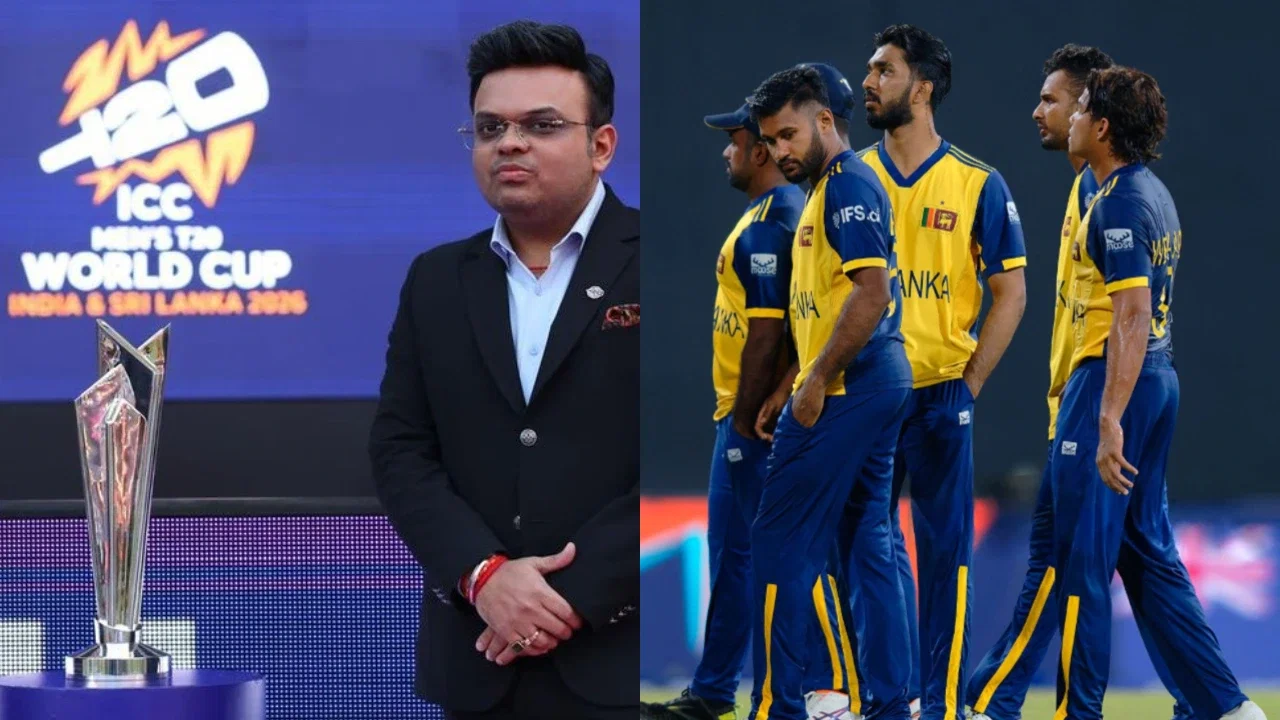
The landscape of Sri Lankan cricket is currently undergoing a seismic shift as a high-level delegation from the International Cricket Council (ICC) has landed in the island nation. This visit, led by ICC Deputy Chairman Imran Khwaja and reportedly accompanied by a high-ranking official from the Board of Control for Cricket in India (BCCI), comes at a time when the administrative stability of Sri Lanka Cricket (SLC) is at its most fragile.
The arrival of the international body follows the sudden and collective resignation of SLC President Shammi Silva and the entirety of his executive committee. The mass exodus of the board’s leadership has left a vacuum that the Sri Lankan government has moved quickly to fill, albeit in a manner that often triggers red flags within the ICC’s regulatory framework regarding governmental interference.
The Catalyst: Mass Resignations and Political Shifts
On April 29, the Sri Lankan government took the decisive step of removing the top leadership of the SLC. This move was not entirely unexpected, as tensions between the board and the Sports Ministry have been simmering for months, largely fueled by the national team’s declining performances on the global stage. Following a meeting with President Anura Kumara Dissanayake, Shammi Silva and his team officially stepped down, a decision that was formally communicated to both the President and the Sports Minister, Sunil Kumara Gamage.
In response to this administrative collapse, the government has instituted a nine-person Transformation Committee. This interim body is tasked with steering the ship through these turbulent waters. However, the composition of the committee has raised eyebrows, as it is led by opposition politician Eran Wickramaratne. While the committee includes legendary figures like Kumar Sangakkara, Roshan Mahanama, and Sidath Wettimuny, the heavy involvement of political figures often puts member boards at odds with ICC statutes.
Mandate of the Transformation Committee
According to official statements from Wickramaratne, the primary objective of this new committee is a “total overhaul of the governance framework at the SLC.” There is significant speculation that this mandate extends to a complete rewriting of the SLC Constitution to ensure greater transparency and accountability. While such reforms are often necessary for long-term stability, the ICC typically views any government-mandated restructuring of a national cricket board as a violation of its policy of independence.
The Threat of Sanctions: A History of Suspension
The ICC’s presence in Colombo is not merely a diplomatic courtesy; it is a fact-finding mission with potentially severe consequences. Historically, the ICC maintains a zero-tolerance policy toward governmental interference in the day-to-day operations of cricket boards. Sri Lanka is no stranger to these repercussions. In 2023, the ICC suspended the SLC board after Shammi Silva alleged that the then-Sports Minister was exerting undue influence over the board’s affairs.
The current situation mirrors those previous conflicts. Sports Minister Sunil Kumara Gamage recently admitted that the government had not officially informed the ICC about the appointment of the Transformation Committee, though reports suggest the ICC was briefed through informal channels. The presence of a BCCI official alongside the ICC delegation adds further weight to the visit, suggesting that the broader Asian cricketing community is watching the development with concern.
On-Field Challenges Amid Off-Field Chaos
While the boardrooms are in disarray, the Sri Lankan national team is attempting to maintain focus on their professional commitments. The recent appointment of Gary Kirsten as head coach was seen as a step toward revitalizing a team that has struggled for consistency. The team is currently preparing for an upcoming white-ball series against the West Indies, scheduled to take place between June 3 and June 15. The series will consist of three ODIs and three T20Is, serving as a critical testing ground for the players amidst the administrative uncertainty.
What Lies Ahead for Sri Lanka Cricket?
The ICC’s final report on the situation will determine whether Sri Lanka faces another period of suspension or if the Transformation Committee will be allowed to proceed with its reforms under strict supervision. For a nation that views cricket as a cornerstone of its cultural identity, the stakes could not be higher. The balance between necessary government intervention to fix systemic failure and the ICC’s mandate for board autonomy remains a delicate tightrope that Sri Lanka must now navigate.
- Immediate Priority: Governance framework overhaul.
- Key Personnel: Eran Wickramaratne, Kumar Sangakkara, and Imran Khwaja.
- Next Fixture: Series vs. West Indies starting June 3.
As the ICC delegation concludes its meetings in Colombo, the cricketing world waits to see if these changes will lead to a more robust SLC or if the island nation faces another dark chapter of international isolation.