
The High-Stakes Evolution of the Big Bash League
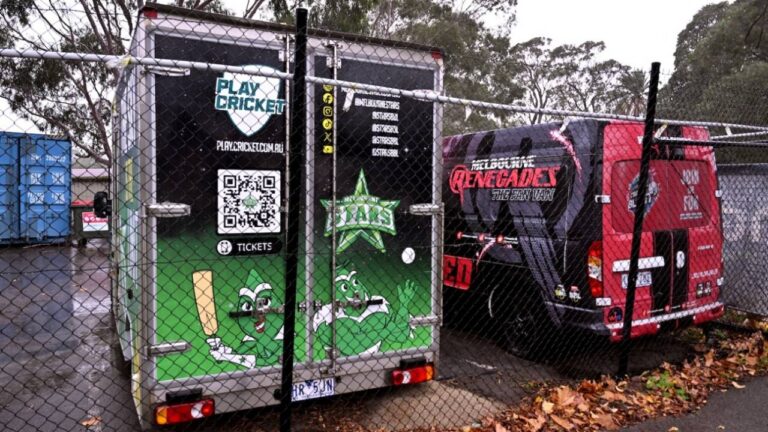
The landscape of Australian cricket is at a pivotal crossroads. Cricket Australia (CA) is forging ahead with its vision to privatise the Big Bash League (BBL), undeterred by the recent resistance from New South Wales (NSW) and Queensland. The governing body is now initiating the next phase of its strategy: testing the global market to determine the realistic sales valuations of the Melbourne Renegades, Perth Scorchers, and Hobart Hurricanes.
Testing the Global Market
While the initial plan to put all eight BBL clubs up for sale simultaneously has been shelved, CA remains committed to the privatisation agenda. CA chief executive Todd Greenberg has described the move as ‘inevitable,’ though the process is shifting toward a modular approach. Victoria, Western Australia, and Tasmania have expressed willingness to proceed with this market test, while South Australia remains cautious, preferring to observe the initial results before committing the Adelaide Strikers to a potential sale.
This ‘market test’ is not an immediate sale. Instead, it is an investigative process where CA will seek expressions of interest and non-binding valuation estimates from prospective investors. Industry experts and analysts suggest individual franchise valuations could range from AUD$80 million to AUD$180 million, depending on the percentage stake and the specific team involved.
Understanding the Ownership Structure
A recurring point of public confusion concerns who actually owns the BBL franchises. Contrary to some beliefs, the state associations do not hold permanent ownership. Cricket Australia owns all eight clubs, while the states operate them under 30-year lease agreements—a cycle that is currently at its midpoint. CA’s proposal suggests states could sell between 49% and 75% of their franchises. In scenarios where they sell 49%, the state would retain 51% ownership and receive a significant cash injection from the proceeds.
The global influence of the England and Wales Cricket Board’s (ECB) ‘The Hundred’ serves as a blueprint here. With the support of The Raine Group, CA is looking closely at how international investors have injected capital into English cricket. The high valuations seen in London Spirit and other Hundred franchises provide a compelling, if complex, case study for what might be possible in the Australian market.
Why the States are Divided
The resistance from NSW and Queensland is rooted in differing philosophies. Cricket NSW, in particular, has focused on a self-funding model. Their correspondence to members emphasized an ethical stance, noting a desire to avoid increased reliance on wagering-linked revenue to fuel the sport’s growth. Furthermore, there is a tangible concern regarding the influence of Indian Premier League (IPL) owners. With several IPL conglomerates already purchasing stakes in English teams and rebranding them, some Australian stakeholders fear a loss of local identity and control over the BBL’s future.
Moreover, the financial realities differ significantly between the states. Some state associations are managing substantial debt related to recent stadium infrastructure projects, making the prospect of a cash windfall from a sale tempting. Others, however, believe the BBL is already a stable, profitable product that does not require radical restructuring.
What Lies Ahead?
The data gathered from this market testing phase will be critical. It will provide CA with concrete figures, a list of qualified investors, and a clearer picture of the terms acceptable to the global market. For the states currently on the fence, this information will be vital in deciding whether to move toward a formal auction process. While some critics argue that the states opposing the move should have waited for the market test results before rejecting the proposal, the opposing states maintain that early intervention is necessary to prevent an unstoppable momentum toward privatisation. As it stands, the BBL is set for a transformation that could redefine the financial foundations of the sport for decades to come.