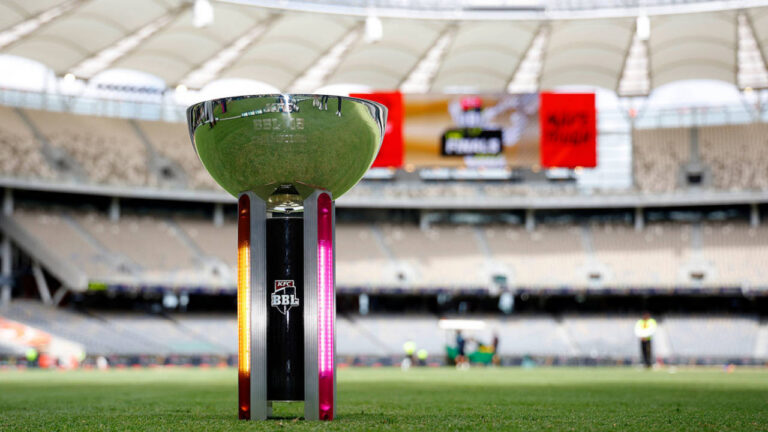
BBL explainer: what does the Melbourne merger mean, and what happens next?

The Current State of the BBL
Recent developments in Australian cricket have sparked significant debate regarding the future of the Big Bash League (BBL). With the industry pushing toward private investment, the uncertainty surrounding team structures has created a challenging environment for fans, players, and administrators alike. As we await the crucial decision expected on June 15, it is essential to provide a clear BBL explainer: what does the Melbourne merger mean, and what happens next?
Will there be eight teams in the BBL next season?
Despite the current climate of instability, fans can rest assured that the competition structure will remain intact for the 2026-27 season. Cricket Australia (CA) has confirmed that the league will feature eight teams, with each playing ten home and away matches, followed by the finals. This includes two teams based in Melbourne, maintaining the current geographical footprint of the competition.
The Melbourne Conundrum: Stars and Renegades
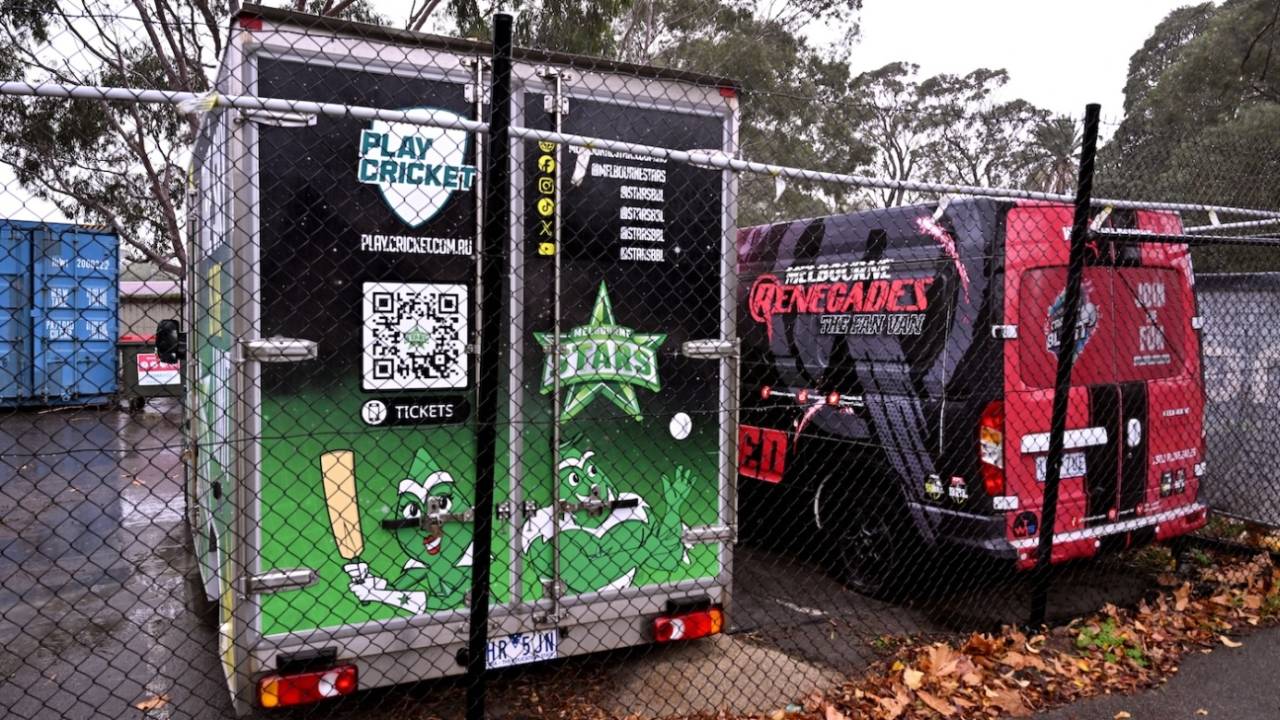
The situation in Victoria is undoubtedly the focal point of current discussions. Cricket Victoria (CV) has initiated administrative plans to merge the operations of the Melbourne Stars and the Melbourne Renegades. Their vision involves creating a single entity under a new brand, with the goal of selling the second team to a private investor. While CA Chief Executive Todd Greenberg has acknowledged these intentions, he has been careful to emphasize that nothing has been finalized or formally approved.
The Strategic Reasoning Behind the Merger
Cricket Victoria’s decision to move toward a unified brand stems from a desire to optimize resources. By merging operations, they aim to operate more efficiently, similar to the models proposed by Western Australia and Tasmania. Furthermore, internal polling suggested that a neutral brand might appeal to a broader base of Victorian supporters, rather than alienating fans of either individual club. The timing of this announcement was driven by the urgent need to provide clarity to staff and sponsors who were concerned about the team’s long-term viability.
Reactions from Across the League
The announcement has drawn mixed reactions, ranging from professional concern to outright frustration. Other state associations, particularly New South Wales, Queensland, and South Australia, have expressed deep dissatisfaction, feeling blindsided by the lack of transparency. The core of this friction lies in opposing views regarding the financial future of the game. While some advocate for private investment to bolster the balance sheet by 2031, others, such as Cricket NSW, argue that financial growth can be achieved through internal management without the need to divest ownership.
Player Sentiment and the Role of the ACA
The Australian Cricketers’ Association (ACA) has voiced significant concern regarding the potential impact on player welfare and job security. CEO Paul Marsh has been clear: any moves toward privatisation must involve the ACA as part of the existing Memorandum of Understanding. There is palpable anxiety among players who feel that the current communication surrounding these structural changes has been insufficient.
The Road Ahead: What Happens Next?
The path forward rests on the decisions made at the state chairmen’s meeting in mid-June. If the hybrid privatisation model is approved, states like Victoria, Western Australia, and Tasmania are poised to begin exploring the market for potential investors. This process, modeled after the sale of franchises in The Hundred, will involve valuing individual clubs and assessing the appetite for private ownership. While the timeline remains tight, the industry is bracing for a transformative period that will redefine the commercial structure of Australian T20 cricket. As the dust settles, all eyes remain on the upcoming formal proceedings to determine the long-term trajectory of the league.