India’s depth takes centrestage as Afghanistan fight to avoid whitewash

The Big Picture: India Gunning for a 3-0 Series Sweep
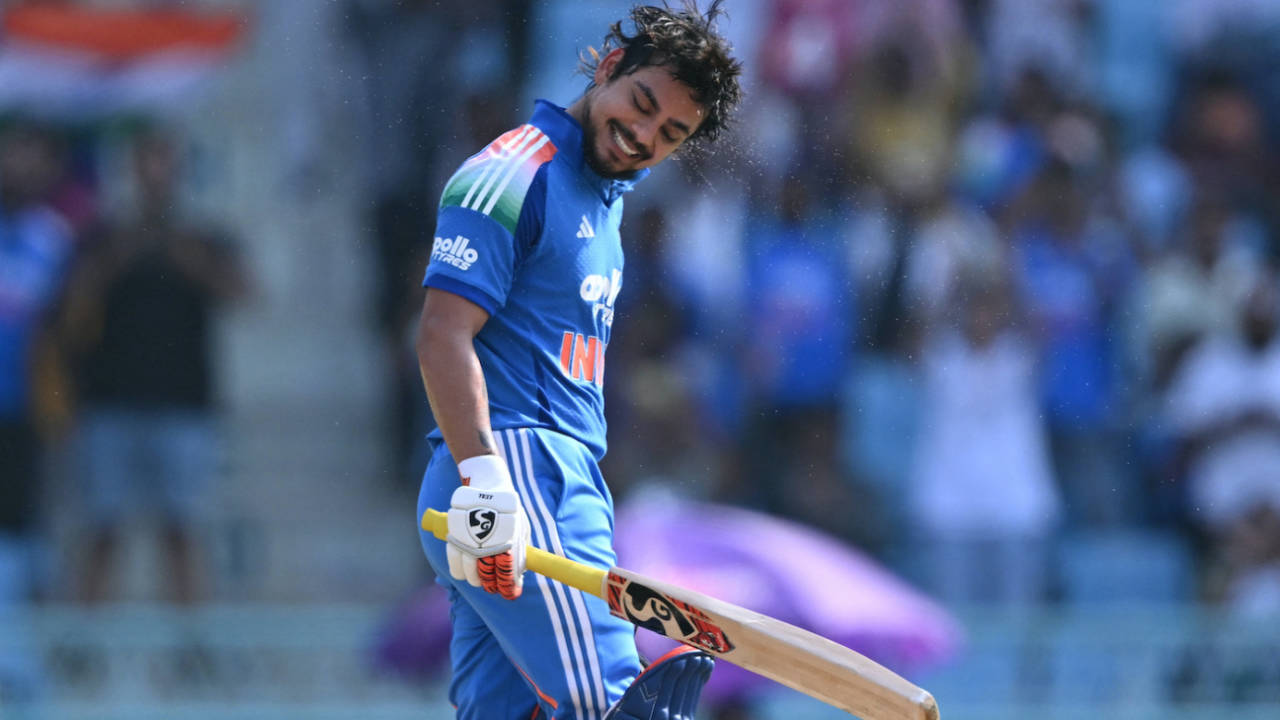
If this current ODI series has served as a litmus test for India’s bench strength, the results have been emphatic. Even in the absence of marquee names like Virat Kohli, Jasprit Bumrah, and Hardik Pandya, the Men in Blue have dominated, wrapping up the three-match series with a game to spare. The second ODI in Lucknow, played in sweltering heat, showcased India’s ability to adapt and thrive under pressure, particularly through the aggressive batting of Ishan Kishan and the composed bowling of the newcomers.
Ishan Kishan, seamlessly slotting back into the ODI side, proved his worth with a blistering 125 off just 79 balls. Meanwhile, the emergence of fast bowler Gurnoor Brar has been a revelation. Selected based on his raw potential ahead of more established domestic figures, Brar has justified the selectors’ faith by topping the wicket-takers chart with six scalps across two matches. Furthermore, consistent performances from Shubman Gill—who followed an unbeaten 84 in the opener with a commanding 154 in the second match—signal a team that is hungry for more, presenting an ominous scenario for the visiting Afghan side.
Afghanistan’s Struggle for Consistency
For Afghanistan, the series has been a sobering experience. Their batting lineup, already considered brittle, has struggled significantly, particularly in the absence of veteran allrounder Mohammad Nabi, who was sidelined for the second match due to a viral infection. Statistical trends suggest that since the end of the 2023 ODI World Cup, Afghanistan has faced significant hurdles, recording the second-worst run rate among the top ten ICC-ranked nations and the third-worst batting average in the same cohort.
To avoid a 3-0 whitewash, Afghanistan will need a monumental effort from their primary stars. Rahmanullah Gurbaz and Rashid Khan must spearhead the resistance, as the team looks to move past their recent trend of losing wickets in clusters and failing to build meaningful partnerships. Fielding coach John Mooney admitted that the team has been leaking too many boundary balls and failing to identify the correct lengths on Indian pitches, issues they must rectify immediately to stay competitive.
Team News and Experimental Tactics
With the series already decided, India’s assistant coach, Ryan ten Doeschate, has indicated that the team management is open to experimenting with their combination. Seam-bowling allrounder Nitish Kumar Reddy, who missed the previous game with a sore thigh, was seen training at the Chepauk nets, signaling a potential return. There is also intrigue surrounding Yashasvi Jaiswal, who will be looking to solidify his place in the ODI setup after a modest outing in Lucknow.
Harshit Rana has rejoined the squad following recovery from knee surgery, though it is unlikely he will be rushed back into the starting XI. The bowling combination remains a point of interest, with a potential rotation between left-arm fingerspinner Harsh Dubey and the wrist-spinning prowess of Kuldeep Yadav. For Afghanistan, the return of Nabi and Azmatullah Omarzai, both of whom have been battling health issues, would provide a much-needed boost to their balance and confidence.
The Spotlight: Individual Ambitions
Yashasvi Jaiswal remains the focal point for many cricket observers. In a team as deep as India’s, every opportunity to perform is a audition for the 2027 ODI World Cup. Having previously proven himself against top-tier bowling attacks, Jaiswal is keen to silence any doubts regarding his white-ball longevity. On the opposing side, Rashid Khan remains Afghanistan’s most lethal weapon. Despite a challenging IPL season where spinners generally struggled, Rashid proved his class in Lucknow. However, Afghanistan requires more than just individual brilliance from their vice-captain; they need collective support from the lower-order and the younger spinners like AM Ghazanfar to exert pressure on the Indian middle order.
Conditions and Historical Context
The final showdown takes place in Chennai, with the match scheduled on a red-soil pitch known for offering substantial bounce—a factor that may influence the team compositions. While there was some rain leading up to the fixture, clear skies on the eve of the match suggest a full game is likely. Players will once again have to manage their fitness in the challenging afternoon heat, which played a crucial role in the intensity of the previous encounter.
As the series draws to a close, India aims to maintain its momentum, while Afghanistan is fighting for pride. Whether the visitors can break their winless streak against the hosts remains the central question, but for now, the depth of the Indian talent pool continues to be the dominant narrative of this series.