Why Rohit Sharma Is A Complete No Go For Mumbai Indians’ Captaincy? – Why Rohit Sharma Should Not Return as Mumbai Indians Captain

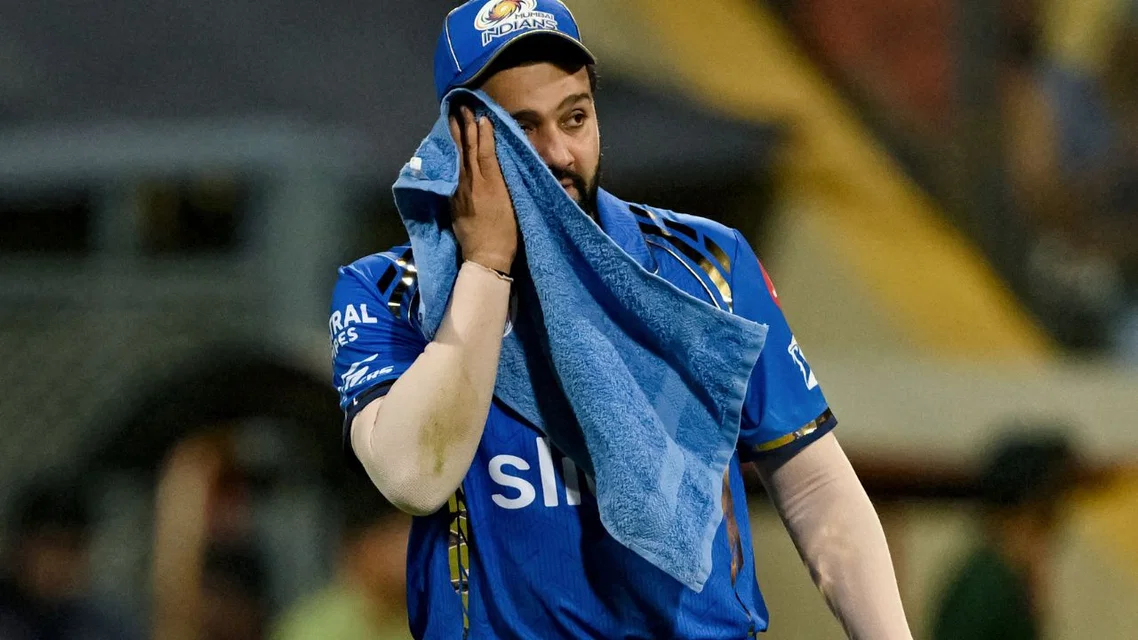
The Captaincy Conundrum at Mumbai Indians
Rohit Sharma is undoubtedly a legend of the Indian Premier League. As the man who transformed the Mumbai Indians into a championship machine, his legacy is etched in gold. However, the world of T20 cricket is notoriously fast-paced, and franchises that prioritize emotional sentiment over cold, hard logic often struggle to keep up with the evolving demands of the game. With reports suggesting that Hardik Pandya may not continue as the Mumbai Indians captain, the familiar chorus for Rohit Sharma’s return to the helm has begun. Yet, looking beyond the nostalgia, there are compelling reasons why reinstating him as captain would be a strategic error for the franchise.
1. The Batting Performance Question
Perhaps the most significant concern regarding Rohit Sharma’s role in the current setup is his form with the bat. For nearly a decade, the prolific opener has struggled to reach his true potential in the IPL. It is a sobering statistic that even one of the greatest cricketers of his generation has not recorded a single 600-run season in his illustrious IPL career. The last time he crossed the 500-run threshold in a single season was back in 2013.
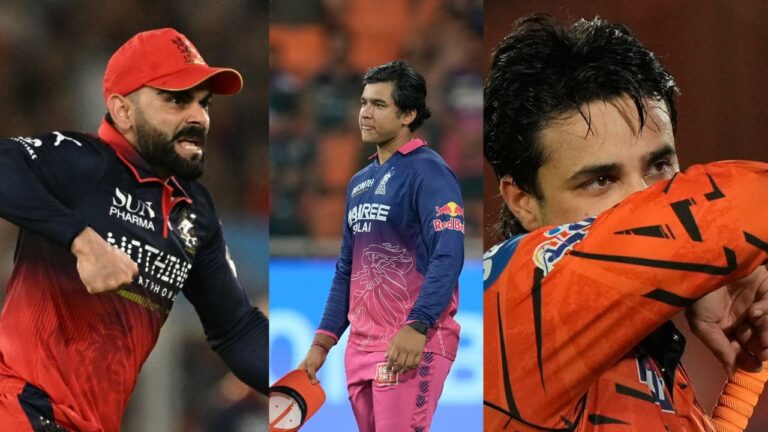
In the modern era of the IPL, top-order dominance is the currency of success. Teams like those featuring Virat Kohli, Abhishek Sharma, or Shubman Gill rely heavily on consistent, high-impact performances from their openers. Mumbai Indians have not enjoyed this level of stability from Rohit recently. Furthermore, he has struggled to maintain an elite strike rate, crossing the 150-mark in a season only once in the last five years. Burdening him with the weight of captaincy at this stage of his career, when his primary focus should be on rediscovering his rhythm as a pure batter, may not benefit the team’s balance.
2. The Need for a Long-Term Strategic Vision
Mumbai Indians made a seismic shift when they moved away from Rohit Sharma to appoint Hardik Pandya. Whether fans supported the move or not, it was a clear signal that the franchise was looking to transition toward a younger leadership core. Rohit Sharma is approaching his 40th birthday, and realistically, the franchise cannot anchor its long-term future around him, especially with the looming uncertainty of the 2028 mega auction cycle.
Successful IPL franchises are built on foresight. Mumbai Indians have historically thrived because they planned for the future better than their rivals. Reverting to an older captain, no matter how iconic, would only delay the inevitable transition process. The team needs to identify, groom, and test younger leaders now to ensure they enter the next cycle with a clear, stable vision. Relying on the past is a short-term fix that masks the deeper need for generational evolution.
3. The Reality of the Recent Captaincy Record
While the five titles won under Rohit Sharma are a matter of record, it is essential to view his recent tenure objectively. The narrative that he was the sole reason for MI’s success often overlooks the fact that the team’s trophy drought began under his command. After lifting the trophy in 2020, Rohit led the side for three more seasons without achieving championship glory. This period saw a significant decline in the team’s fortunes, exacerbated by the departure of legends like Lasith Malinga and Kieron Pollard.
The transition phase for Mumbai Indians was already proving difficult before the leadership change occurred. The struggle to maintain dominance during that period suggests that the team’s decline was not merely a matter of who held the captain’s armband, but a broader issue of squad restructuring. Going back to a previous captain is unlikely to solve the systemic challenges of a team currently in a state of flux. To move forward, Mumbai Indians must look toward the horizon, not behind them.