5 Reasons Why Mumbai Indians Must Part Ways With Hardik Pandya Before IPL 2027
Contents
The Crisis at Wankhede: A Franchise in Decline
The Mumbai Indians, once the gold standard for professionalism and tactical brilliance in the Indian Premier League, are currently navigating the most turbulent period in their illustrious history. As the dust settles on another disappointing campaign in IPL 2026, the five-time champions are forced to reckon with the harsh reality that their current project has failed. At the heart of this discussion is the future of Hardik Pandya, whose return to the franchise has proven to be a costly and ineffective experiment.
1. The Tactical and Leadership Void
Since the change in leadership prior to the 2024 season, Mumbai Indians have lacked the cohesion that defined their era of dominance. The transition from Rohit Sharma—a captain who commanded total respect and delivered five titles—to Hardik Pandya has been marred by confusion. From questionable bowling rotations to failing to read match conditions, the tactical errors under Pandya have been glaring. The team’s inability to defend their home turf at the Wankhede Stadium highlights a loss of that once-feared ‘home advantage’ that relied on intelligent planning and clinical execution.
2. Declining Individual Performance
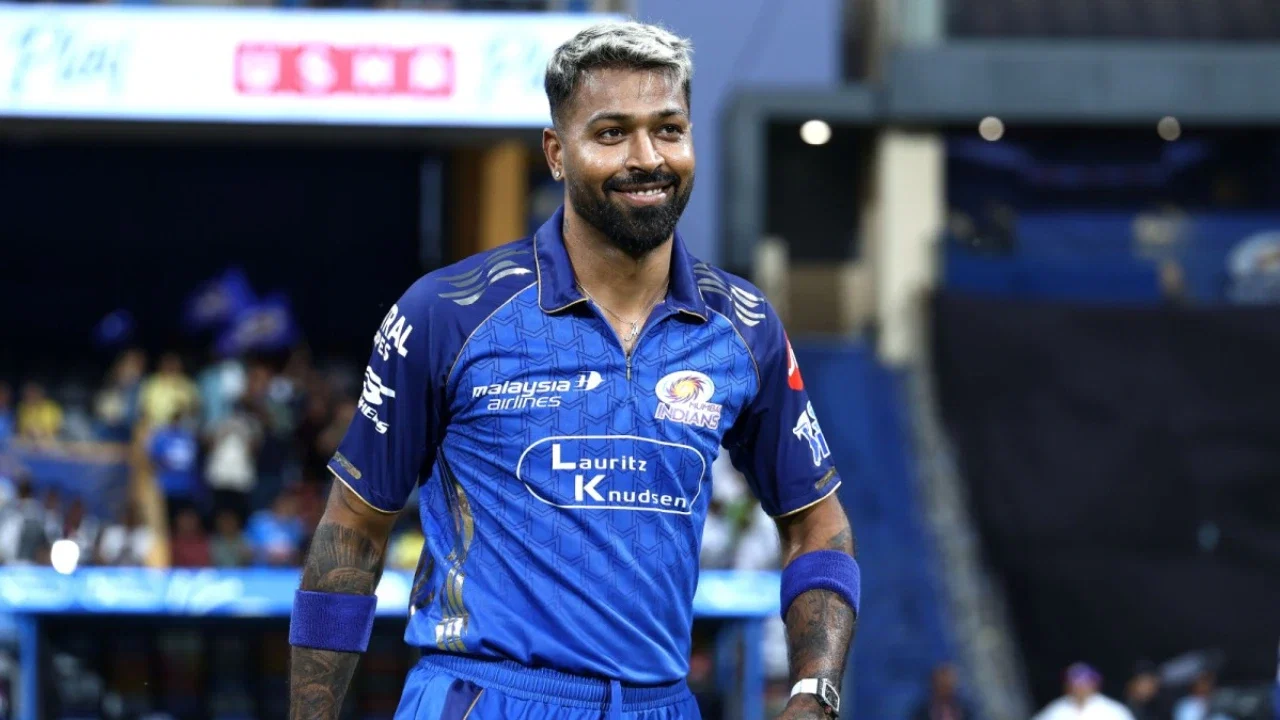
Hardik Pandya was once heralded as one of India’s most dangerous all-rounders, but his numbers since returning to Mumbai tell a different story. With the bat, he has struggled to anchor the innings or provide the explosive finishes expected of a player in his role. More concerning is the sharp decline in his bowling. In 2024, he conceded runs at an economy of 10.75; by 2026, that figure ballooned to 11.90, with an average of 61.50. When a player occupies a marquee spot, such regression creates an imbalance that is difficult for any team to overcome.
3. Erosion of Dressing Room Culture
Perhaps the most damaging fallout of the recent era is the reported lack of unity within the camp. High-performing teams are built on mutual respect and a shared vision, yet reports suggest a divided dressing room. The friction regarding the leadership change has arguably permeated the squad, affecting on-field energy and collective morale. A franchise that prided itself on ‘One Family’ now appears fractured, necessitating a complete reset to restore the team culture.
4. The Fan Sentiment and External Pressure
The transition was never fully embraced by the fanbase, and the subsequent poor results have only amplified the frustration. The constant scrutiny and social media pressure have put the captain in a position where he is unable to focus on his game. For the sake of both the franchise and the player, a clean break might be the only way to alleviate this mounting tension and allow both parties to move forward in a healthier environment.
5. The Availability of Superior Alternatives
The Mumbai Indians have an embarrassment of riches when it comes to potential leadership candidates who could steer the ship toward a new future:
- Jasprit Bumrah: Widely regarded as the most intelligent and loyal player in the squad, his calm demeanor and global tactical awareness make him a natural successor to rebuild the franchise’s identity.
- Suryakumar Yadav: Having proven his mettle as India’s T20I captain and his success in international tournaments, Suryakumar possesses the trust of the players and a proven track record of handling pressure.
- Tilak Varma: For a long-term vision, the young and composed Tilak Varma offers an opportunity to build a team around a new generation, bringing stability and a fresh perspective to the middle order.
As the mega auction for 2027 approaches, the Mumbai Indians management must prioritize the long-term health of the franchise over the investment made in 2024. Without a change in direction, the gap between the current MI side and the top-tier contenders will only continue to widen. It is time for a strategic pivot to restore the legacy of the Mumbai Indians.