Arun Dhumal reveals why IPL players were barred from posting reels and chasing s – Why IPL Players Were Barred From Posting Reels: Arun Dhumal Explains

The Clash of Cricket and Content Creation in IPL 2026
As the curtains prepare to fall on another thrilling season of the Indian Premier League (IPL) 2026, with just one match remaining to decide the ultimate champion, the focus has temporarily shifted from on-field heroics to off-field discipline. While the tournament has delivered breathtaking action and high-octane drama, it has also witnessed its fair share of administrative challenges. Among the most discussed developments is the Board of Control for Cricket in India’s (BCCI) sudden crack-down on players’ social media activities, specifically the creation of reels and short-form video content during the season.
With player popularity reaching stratospheric heights, social media engagement has become second nature for many modern athletes. However, the line between personal entertainment and professional decorum began to blur during the 2026 campaign. In response to mounting concerns over security and league integrity, the IPL governing body took the decisive step of issuing a comprehensive seven-page advisory to all ten franchises, setting strict boundaries on what players, support staff, and officials can and cannot post online.
Arun Dhumal Clarifies the BCCI’s Stance on Social Media
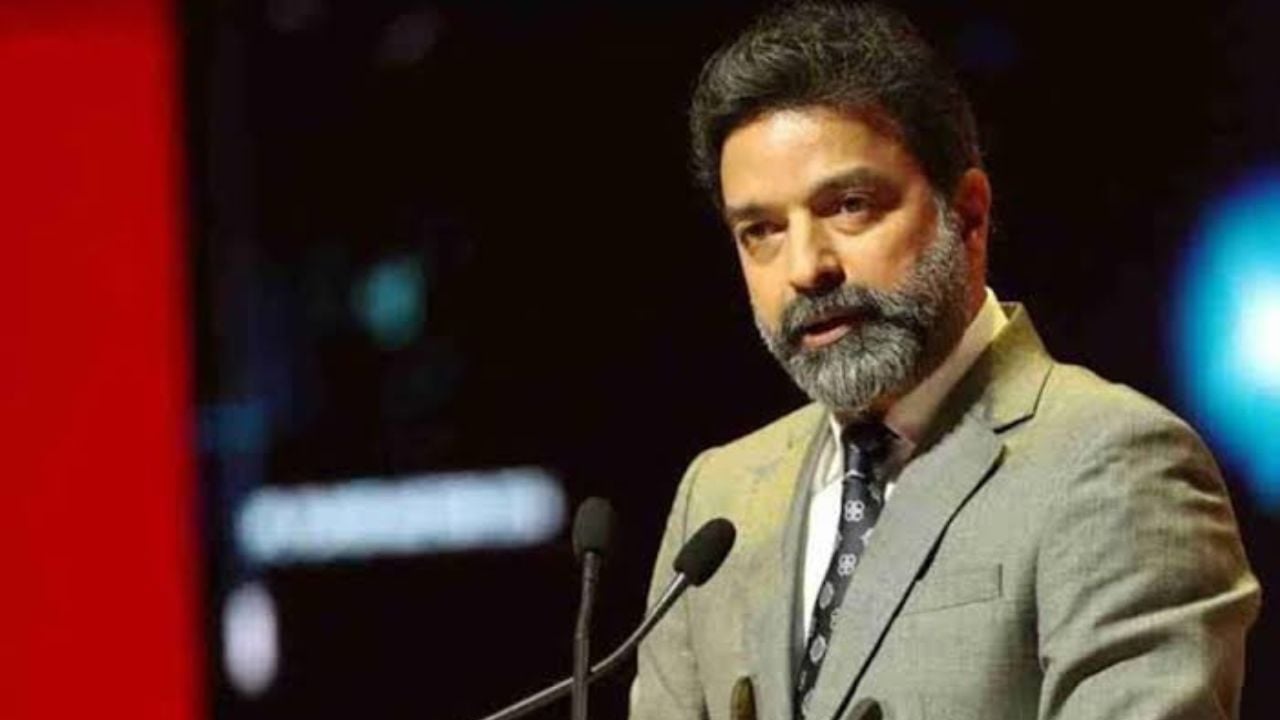
To demystify the sudden implementation of these stringent rules, IPL Chairman Arun Dhumal spoke at length in an exclusive interview with RevSportz. Dhumal was clear and uncompromising in his views, stating that a cricketer’s primary responsibility is to perform on the field rather than curate content for digital audiences. According to Dhumal, content creation is a distinct profession that should not distract athletes from their core job.
“I don’t think cricketers need to be content creators,” Dhumal remarked during the interview. “The cricketer’s job is to play good cricket. If they do so, there will be enough and more good content created about them. So they don’t need to turn into content creators and start creating reels, shorts, or other posts. It isn’t needed, and a line had to be drawn.”
This authoritative stance highlights a growing concern within the board that the distraction of chasing social media algorithms could compromise players’ focus and, more importantly, the rigorous security protocols established around the teams.
The Arshdeep Singh Incident and the Catalyst for Change
The need for formal intervention became apparent during the mid-phase of the IPL 2026 campaign. Punjab Kings (PBKS) star left-arm seamer Arshdeep Singh found himself in the spotlight not just for his death-overs bowling, but for his frequent social media updates. Arshdeep was regularly seen filming light-hearted videos and Instagram reels alongside his teammates during the tournament. While these videos were popular among fans, they raised immediate red flags within the IPL’s governing council.
Following the issuance of the BCCI’s directives, Arshdeep and other active content-creating cricketers promptly ceased posting such videos. The swift compliance from the players demonstrated the serious nature of the advisory, which left no room for ambiguity regarding the consequences of non-compliance.
Demystifying the Seven-Page Advisory
Addressing the contents of the document, Arun Dhumal explained that the seven-page advisory did not introduce radical new laws. Instead, it was a reinforcement of fundamental guidelines that had slowly been neglected over time. The BCCI’s goal was simple: to ensure existing protocols are executed with absolute precision.
“Most of the things we have mentioned in the seven-page letter were already there,” Dhumal explained. “If you go and see, you will know there is nothing fundamentally new that we have asked for. Rather, seeing that things weren’t being followed, we needed to reinforce every point, and that’s what was at the root of the letter. Every franchise and every player has now been reminded what is expected of them, and that’s all there is to it.”
Protecting the Integrity and Reputation of the IPL
The concerns prompting this advisory go far beyond mere distractions. The BCCI highlighted specific instances during IPL 2026 where the misconduct and protocol violations of players, support staff, and franchise officials directly threatened the league’s reputation and professional standing.
According to an excerpt of the advisory shared by ESPN, the board expressed deep concern over these breaches:
“It has come to the attention of the BCCI that certain incidents of misconduct and protocol violations have occurred involving players, support staff, and team officials during the course of the current IPL season. These incidents, if left unaddressed, carry the potential to cause significant reputational harm to the tournament, the franchise concerned, and the BCCI as the governing body. They may further expose individuals and franchises to legal liability and security risks of a serious nature.”
By capturing videos inside team hotels, transport buses, or dressing rooms, individuals unintentionally risk exposing sensitive operational security details. Furthermore, unauthorized filming can lead to commercial conflicts with official broadcasters and sponsors who pay premium fees for exclusive access rights to the players and tournament environments.
The Path Forward: Restoring Professionalism
As the IPL continues to consolidate its position as the premier domestic T20 tournament globally, maintaining absolute professionalism remains paramount. The BCCI’s proactive decision to curb social media excesses highlights their commitment to preserving the tournament’s integrity. While fans may miss the candid behind-the-scenes reels of their favorite stars, the focus remains firmly where it belongs: on the high-quality cricket played on the field.