Vikram Solanki blames Ashish Nehra for costly Nishant Sindhu mistake in IPL 2026

A Tactical Gamble Gone Wrong
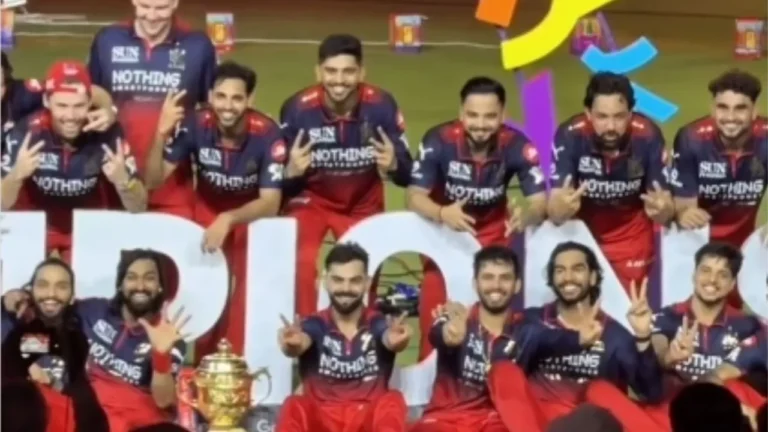
The conclusion of the IPL 2026 season saw a dramatic showdown at the Narendra Modi Stadium in Ahmedabad, where Royal Challengers Bengaluru emerged victorious over the Gujarat Titans. However, the post-match discourse has been dominated by a specific tactical decision that many believe cost the Titans the title. The revelation that Vikram Solanki blames Ashish Nehra for costly Nishant Sindhu mistake in IPL 2026 has ignited a firestorm of discussion regarding the team’s internal decision-making process.
With the stakes at their absolute highest, the Gujarat Titans found themselves in a precarious position early in the match following the dismissal of their captain, Shubman Gill. The atmosphere was electric, and the expectations were clear: with Jos Buttler, one of the most prolific white-ball batters in modern cricket, sitting ready in the pavilion, the natural progression would have been for him to stabilize the innings. Instead, the management opted for a curveball that ultimately failed to deliver.
The Decision That Divided Fans
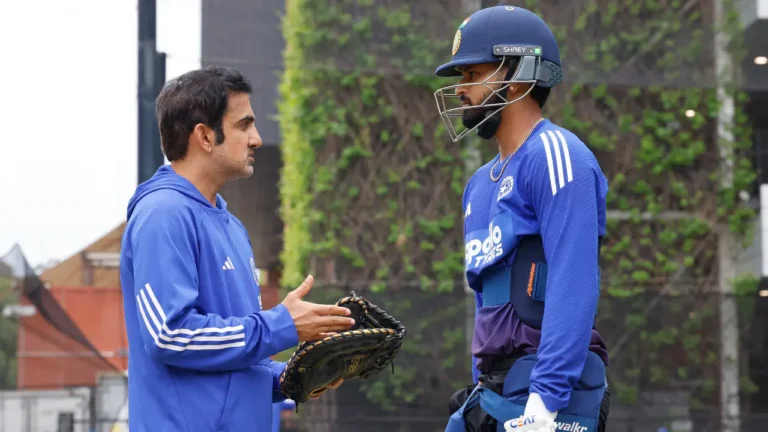
Nishant Sindhu was promoted to the number three position, a move that baffled pundits and fans alike. While Sindhu showed moments of intent, managing 20 runs off 18 balls, the impact was vastly different from what a seasoned campaigner like Buttler could have provided during the powerplay and the middle overs. The left-hander struggled to find the necessary acceleration, hitting only three boundaries before mistiming a pull shot off Rasikh Salam, caught by Devdutt Padikkal at long-on.
By the time Sindhu departed, the Titans were reeling at 55/3. The pressure shifted significantly onto the middle order, and the momentum never truly swung back in their favor. The decision was immediately panned by cricket legend AB de Villiers, who was vocal about his disdain for the defensive approach. De Villiers did not mince words, labeling the move as overly cautious, questioning why the team would intentionally keep a match-winner like Buttler on the sidelines during such a critical phase of the championship final.
Inside the Gujarat Titans Management
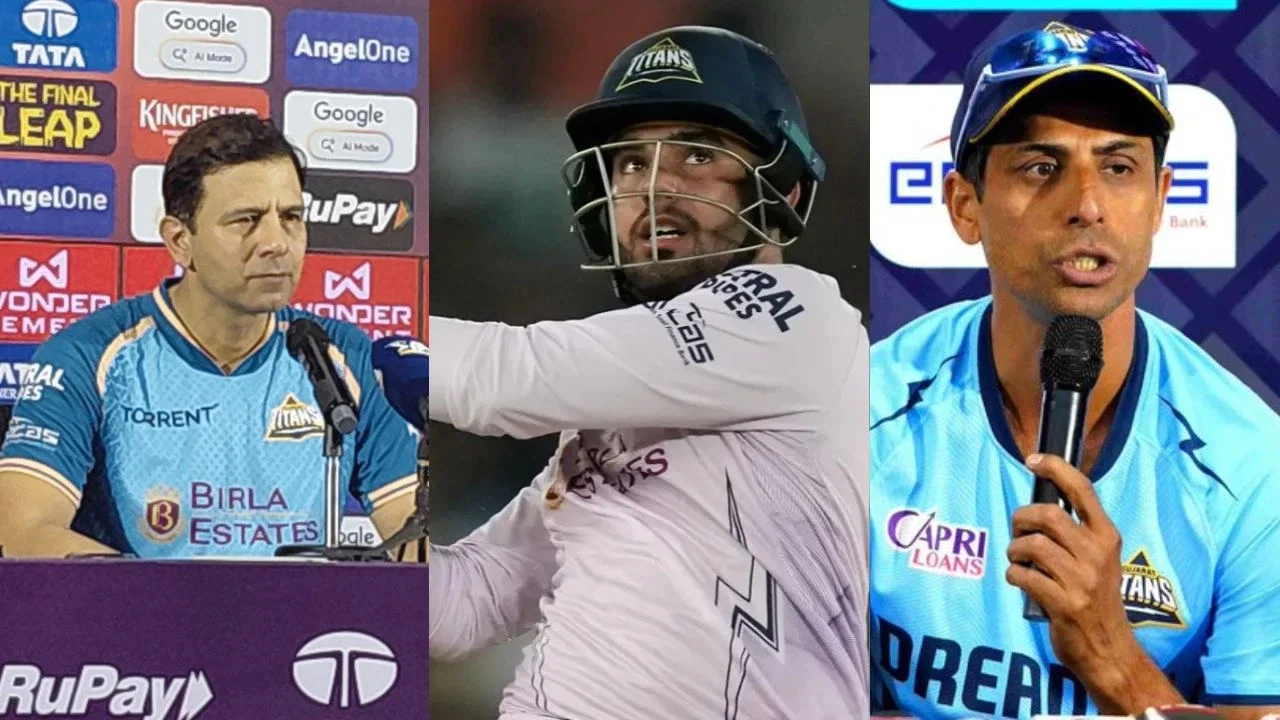
Following the defeat, the pressure on the coaching staff mounted. During the media interaction, Vikram Solanki was asked to clarify the thought process behind the batting order shuffle. In an candid admission that shifted the spotlight directly onto the coaching staff, Solanki made it clear that the directive came from the head coach.
“We didn’t really discuss it, but Ashish makes those calls now and again, if the captain’s around, in conjunction with the captain,” Solanki explained. He further clarified the rationale, or lack thereof, by stating, “Nishant Sindhu, that was a bit of a judgement call. Ashish made that call to send him in at three at that time.”
This explicit attribution of the decision to Nehra highlights a fascinating dynamic within the franchise. While the team reached the final, the inability to execute a standard batting strategy at the most critical juncture of the tournament has left a bitter taste for supporters. Jos Buttler eventually entered the fray but could only contribute 19 runs off 23 balls, a testament to the fact that the innings had already lost its structural integrity by the time he arrived at the crease.
Reflections on a Challenging Campaign
Despite the frustration surrounding the final, Vikram Solanki remained balanced in his assessment of the season. He was quick to offer credit to Royal Challengers Bengaluru, acknowledging their superior performance on the day. “First and foremost congratulations to RCB. As far as our campaign is concerned we’re immensely proud as a group of what we’ve achieved. There’s no question we would have liked to have gone one step further,” Solanki stated.
Reflecting on the final scoreboard, where the Titans were restricted to a modest 155/8, the Director of Cricket admitted that the total was far from ideal. He noted that the team was likely 20 to 25 runs short of a truly competitive score, a deficit that proved insurmountable against a side as disciplined as Bengaluru. Nonetheless, he commended the fighting spirit of his squad, who pushed the game into the later stages despite being behind the curve for the majority of the second half.
As the dust settles on IPL 2026, the discussion surrounding the Nishant Sindhu promotion serves as a reminder of how thin the margin between victory and defeat can be. For the Gujarat Titans, it is a period of reflection, as they look to analyze where the strategy failed and how they can refine their decision-making for the challenges that lie ahead in future campaigns.