CSK Coach Stephen Fleming Defends Ruturaj Gaikwad Following Stagnant IPL Knock

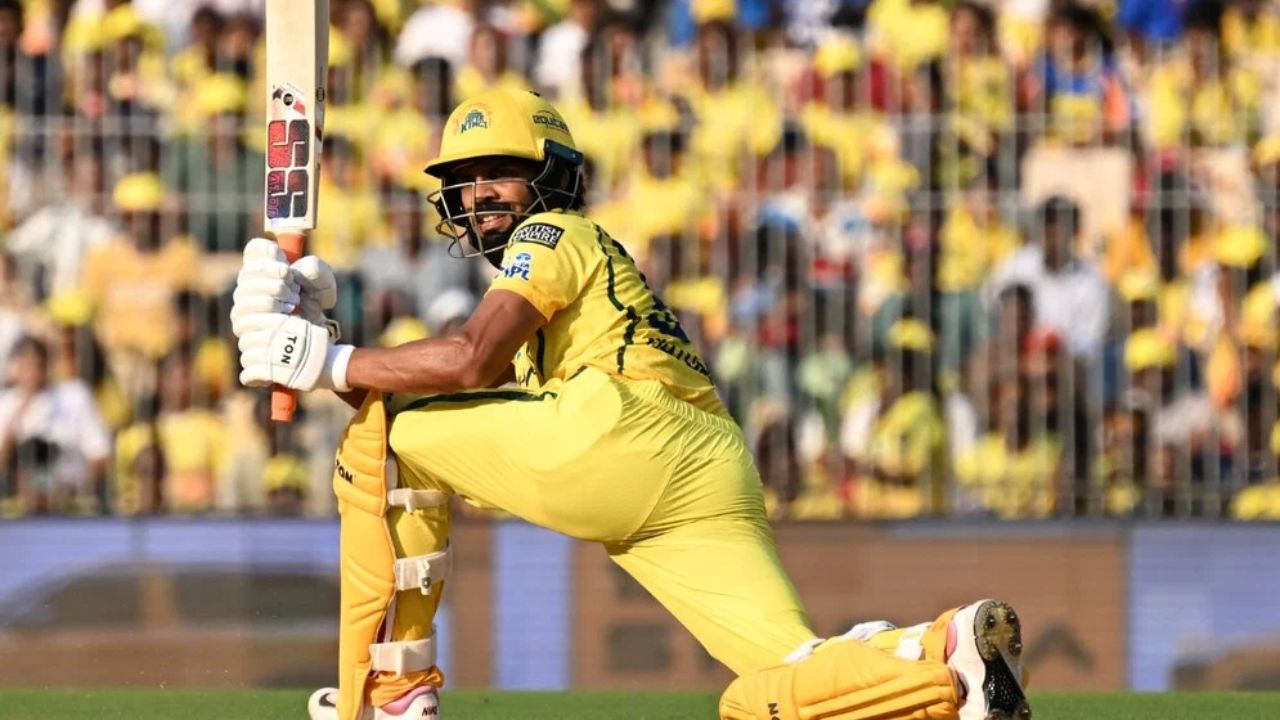
The Controversy at Chepauk: Analyzing Gaikwad’s Stagnant Start
In a high-stakes IPL 2026 encounter at the iconic Chepauk Stadium, the Chennai Super Kings faced a challenging scenario that brought their captain’s form under intense scrutiny. As the hosts took on Sunrisers Hyderabad, Ruturaj Gaikwad’s innings became the focal point of a heated debate among fans and analysts alike. Despite an early aggressive start, the momentum for the Super Kings hit a wall when the skipper found himself unable to find the gaps, leading to a period of stagnation that many believed hampered the team’s total.
Stephen Fleming’s Stance: A Strategic Defense
While spectators were left frustrated by the skipper’s inability to rotate the strike, head coach Stephen Fleming offered a different perspective. Defending Gaikwad’s slow tempo, Fleming highlighted the tactical requirement for a set batter to anchor the innings throughout the contest.
“I know it sounds old school, but we need one guy who bats through the innings. Rutu played a lot of cricket. He knows what’s needed. We trust him in that,” Fleming explained. The head coach insisted that despite the apparent lack of urgency, the team maintains full faith in Gaikwad’s ability to anchor the innings and provide stability, even when the scoring rate demands a more aggressive approach.
The Statistical Reality of the Innings
The numbers from the match tell a sobering story. Facing 21 deliveries, Gaikwad managed to accumulate only 15 runs. Crucially, he failed to find a single boundary during his time at the crease, resulting in a strike rate of 71.43. This performance ranks among the slowest innings of at least 20 balls faced in the 2026 season, trailing only Arshin Kulkarni’s outing against RCB. For an opener in a must-win game, this lack of acceleration put immense pressure on the subsequent middle-order batters to compensate for the lost time.
A Look at Gaikwad’s 2026 Campaign
The scrutiny on Gaikwad is not isolated to a single game. Throughout the 2026 IPL season, the skipper has struggled to find his rhythm. Across 13 matches, he has recorded 321 runs at an average of 29.18, managing just two half-centuries with a strike rate of 120.67. This uncharacteristic lack of consistency has impacted CSK’s overall campaign, contributing to their difficult start where they dropped their first three consecutive matches.
The Broader Context of the SRH Duel
The match itself was characterized by contrasting fortunes. CSK initially blazed off to a strong start, posting 31 runs in just 2.3 overs before Sanju Samson departed. While contributions from Urvil Patel and Kartik Sharma provided necessary sparks, the overall flow of the innings was interrupted by Gaikwad’s inability to shift gears.
Sunrisers Hyderabad, led by the tactical prowess of Pat Cummins, capitalized on this lull. Cummins proved instrumental, accounting for the wickets of Samson, Kartik, and eventually Gaikwad himself. With Eshan Malinga and Sakib Hussain also employing effective slower balls and cutters, SRH managed to squeeze the scoring rate, forcing CSK into a defensive posture during the crucial middle overs.
The Path Forward for CSK
As the tournament reaches its climax, CSK finds itself in a precarious position. With six wins and six losses in 12 games, the team is currently fifth on the points table. The path to the playoffs remains narrow, and every delivery counts. While the management continues to back their leader, the question remains whether this ‘anchoring’ philosophy will prove effective in the high-intensity cricket of the modern IPL, or if a more aggressive adjustment is needed to keep their title aspirations alive.
For the loyal fans at Chepauk, the wait for a dominant performance continues. With the season hanging in the balance, all eyes will be on the leadership to see how they adapt to the mounting pressure of the final league stages.