Sri Lanka Cricket Board Resigns: Government Push Forces Major Leadership Overhaul
A Turning Point for Sri Lanka Cricket
Sri Lanka Cricket (SLC) has reached a critical crossroads. In a development that has sent shockwaves through the cricketing world, Shammi Silva officially stepped down as the head of Sri Lanka Cricket on Tuesday. This resignation is not an isolated incident but the result of escalating pressure from the Sri Lankan government, signaling a sweeping shift in how the sport is governed within the country.
The decision was finalized during a high-stakes special executive committee meeting that stretched for nearly three hours. In an unprecedented move, the resignation was not limited to the head of the board; other members of the committee also agreed to step aside. This total leadership exit comes at a precarious time for the national team, leaving a power vacuum that the government is now moving quickly to fill.
Government Intervention and the Call for Transparency
The catalyst for this administrative collapse was a direct push from the highest levels of government. Sri Lanka President Anura Kumara Dissanayake has been vocal about the need for a “fresh start” in cricket administration. The President’s stance follows a period of mounting public indignation regarding alleged mismanagement and a perceived lack of transparency within the SLC corridors.
For several weeks, the administration under Shammi Silva had been under intense scrutiny. Critics and fans alike raised questions about governance standards, leading to a climate where the government felt compelled to intervene to restore public trust. The mandate from the state was clear: the existing structure was no longer viable, and a complete overhaul was the only path forward.
A History of Instability and ICC Oversight
This current crisis is unfortunately not an anomaly for Sri Lanka Cricket. The organization has a documented history of governance struggles and political volatility. A stark reminder of this was seen in 2023, when the International Cricket Council (ICC) suspended the board due to undue political interference. This previous suspension highlighted the fragile balance between government oversight and the independent administration required by international sporting laws.
Because of this history, the current transition is being handled with extreme caution. The government is reportedly in close communication with the Jay Shah-led ICC. The primary objective is to ensure that the transition of power adheres to international guidelines, thereby avoiding another catastrophic suspension that would isolate Sri Lankan cricket from the global stage. The government has initially sought intervention to facilitate the handover of control to an interim committee.
The Road to Recovery: Interim Administration
With the exit of Shammi Silva, the immediate focus shifts to the transition phase. The formal resignation letters are expected to be submitted on Wednesday to Sports Minister Sunil Kumara Gamage. Minister Gamage is now positioned as a central figure in shaping the next chapter of SLC’s administration.
Indications suggest that an interim committee or a newly appointed leadership group will take charge shortly. The goal of this interim body will be twofold: to provide immediate stability and to instill a level of professionalism that has been sorely lacking. The hope is that a neutral, expert-led administration can bridge the gap until a permanent, transparent structure is established.
Addressing On-Field Failures and Internal Friction
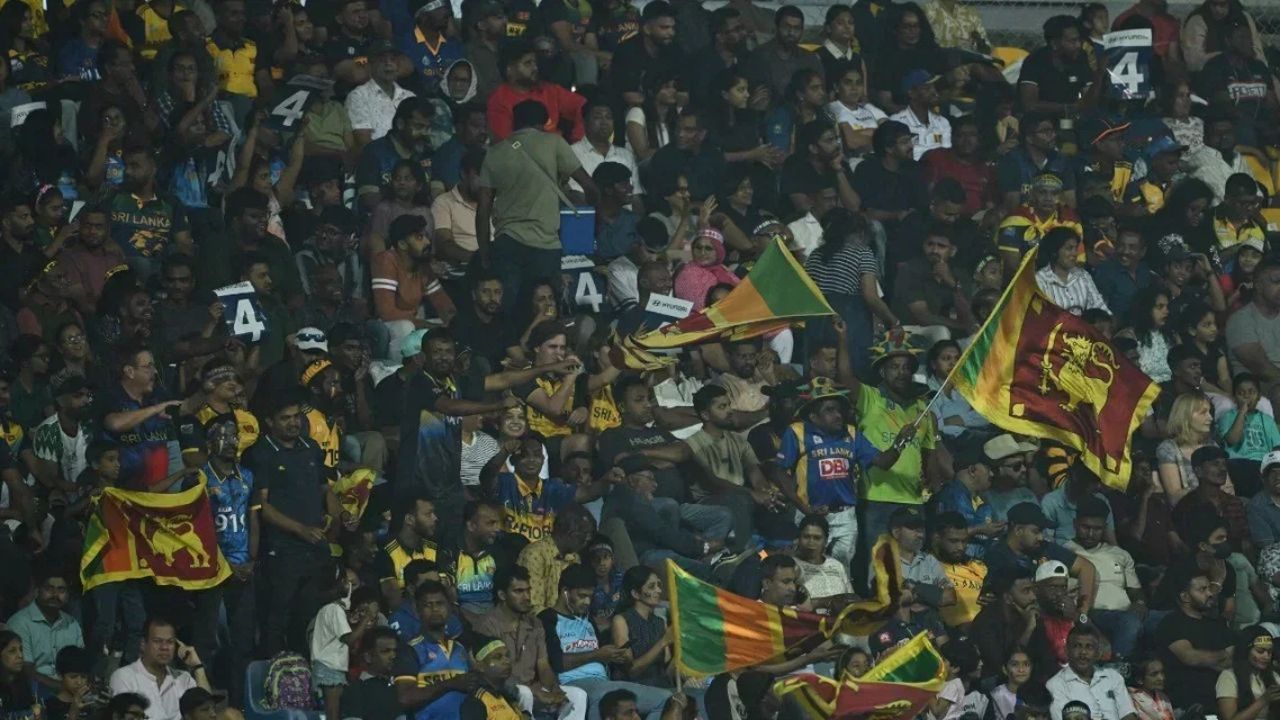
The administrative turmoil mirrors a period of decline on the field. Sri Lanka cricket has been struggling across multiple formats, most notably highlighted by their early elimination from the T20 World Cup 2026. Such poor performances often exacerbate administrative tensions, as fans look for accountability when results dip.
Beyond the scorecards, the board has been plagued by internal strife. Reports indicate significant friction between the players and the administration, particularly concerning:
- NOC (No Objection Certificate) Approvals: Delays and disagreements over players participating in foreign leagues.
- Fitness Protocols: Disputes over the strictness and implementation of fitness standards.
Under Shammi Silva’s tenure, these issues remained unresolved, leading to a breakdown in communication between the athletes and the executives. This environment of distrust contributed to the growing narrative that the board was unfit to lead the national side.
Looking Ahead: A Chance to Reset
While the mass resignation marks a chaotic end to an era, it also provides Sri Lanka Cricket with a rare opportunity for a total reset. For the sport to thrive, the new administration must focus on three core pillars: rebuilding trust with the players, improving communication with the public, and establishing a rigorous, merit-based system for player management and governance.
If the government and the incoming interim committee can navigate the ICC’s requirements while addressing the internal grievances of the players, Sri Lanka may finally move past its turbulent phase and return its focus to where it belongs: the game of cricket.