Sri Lanka Cricket Crisis: President Shammi Silva and Board Resign Amid Turmoil
Administrative Collapse: Mass Resignations Shake Sri Lanka Cricket
The cricketing landscape in Sri Lanka has been plunged into a state of absolute uncertainty following a sudden and sweeping mass resignation within the governing body, Sri Lanka Cricket (SLC). In a development that has left fans and officials reeling, the board has confirmed that its top leadership, including the President, has stepped down, effective April 29.
This is not merely a change in leadership but a wholesale collapse of the administrative structure. Along with the President, the various office bearers and members of the SLC Executive Committee have all submitted their resignations. While the official press release remained tight-lipped regarding the specific motivations behind this collective exit, the timing and scale of the resignations suggest a deep-seated crisis within the organization.
The Catalyst: Financial Allegations and Government Intervention
While the formal announcement was brief, reports indicate that the catalyst for this upheaval is a combination of mounting public pressure and serious allegations of financial irregularities. The stability of the board had been precarious for some time, but the situation reached a breaking point following high-level discussions between the sports body and the state.
It has been revealed that the President of Sri Lanka Cricket, Mr. Shammi Silva, held a pivotal meeting with the President of Sri Lanka, His Excellency Anura Kumara Dissanayake. Sources suggest that after discussing the ongoing turmoil and the allegations facing the board, the President of Sri Lanka may have personally requested Silva to step down to make way for a clean slate.
The board confirmed that these decisions have been formally communicated to both President Anura Kumara Dissanayake and the Honorable Minister of Youth Affairs and Sports, Mr. Sunil Kumara Gamage, ensuring that the government is fully apprised of the vacuum in cricket governance.
The Path Forward: An Interim Committee and Reforms
With the board now devoid of its executive leadership, the immediate priority is to ensure that the national teams are not neglected and that preparations for future tournaments—most notably the 2027 ICC ODI World Cup—do not grind to a halt.
According to reports from ESPN, the Sri Lankan government is expected to intervene by appointing an interim committee to steer the organization through this transition. This proposed committee is likely to be headed by Eran Wickramaratne, a former member of parliament known for his administrative capabilities. To ensure that technical and sporting reforms are fast-tracked, prominent former cricketers Sidath Wettimuny and Roshan Mahanama are also tipped for key roles in the new setup. While these appointments have not yet been officially ratified, they represent a move toward integrating experienced cricketing minds into the governance process.
Reflecting on the Shammi Silva Era (2019–2024)
The resignation of Shammi Silva marks the end of a regime that began in 2019. Silva originally took the helm to replace Thilanga Sumathipala, who had himself been dogged by allegations of corruption. Over the next few years, Silva maintained a firm grip on power, winning four consecutive elections—three of which were uncontested, highlighting a period of minimal internal opposition.
The Silva era was a paradox of regional success and global struggle. On the positive side, Sri Lanka saw a resurgence in Asia, with both the men’s and women’s national teams securing Asia Cup titles, bringing a moment of pride to the nation.
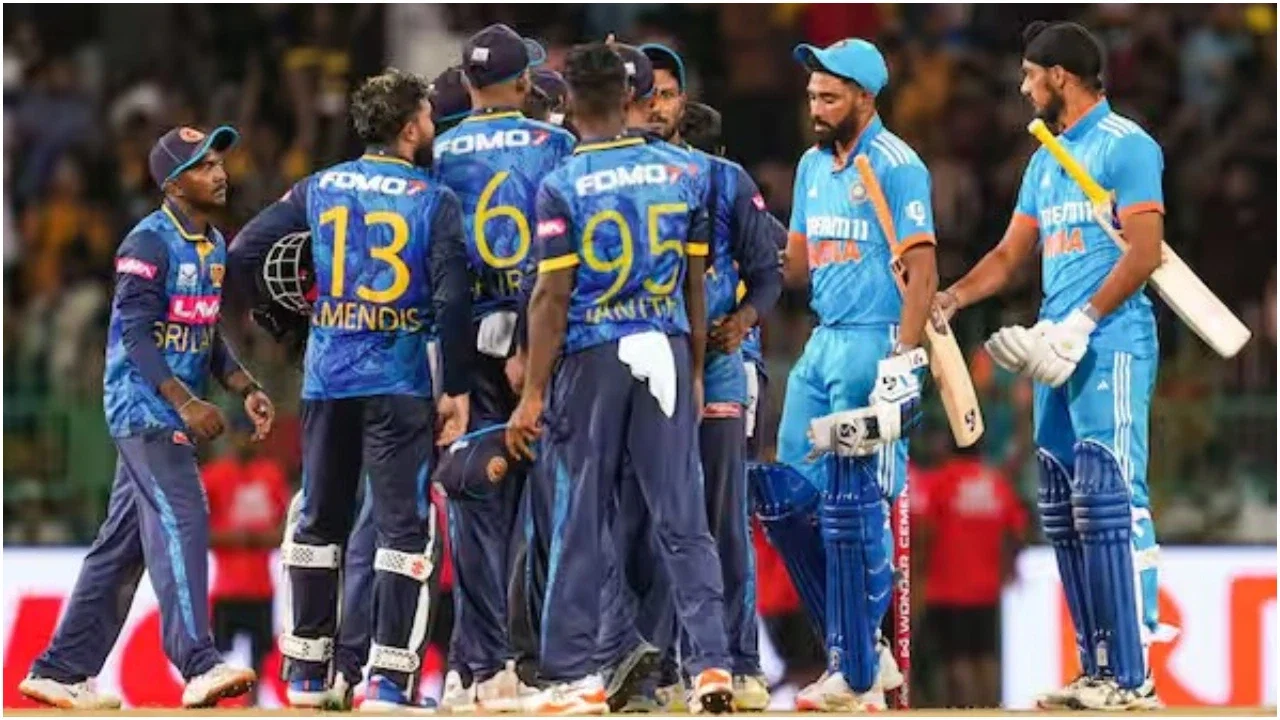
However, the broader picture painted a more concerning image. Under this administration, the men’s team suffered significant setbacks that saw them slide down the ICC team rankings. The failures on the world stage were particularly glaring:
- 2023 ODI World Cup: Sri Lanka struggled significantly, finishing a disappointing 9th in the tournament.
- 2024 T20 World Cup: The team failed to leave a lasting impression, exiting without making a significant impact.
- 2026 T20 World Cup: Perhaps the lowest point came when Sri Lanka, serving as co-hosts alongside India, were knocked out early from the competition, a failure that intensified public scrutiny and pressure on the board.
The Stakes for 2027
As Sri Lanka looks toward the 2027 ODI World Cup, the stakes could not be higher. The lack of administrative stability over the last few years has clearly mirrored the inconsistency on the field. For the island nation to return to its former glory, the upcoming interim committee must do more than just manage the day-to-day operations; it must implement systemic reforms to eradicate financial mismanagement and restore a high-performance culture within the national setup.
The cricketing world now watches closely to see if this “hard reset” will provide the catalyst Sri Lanka needs to rebuild its legacy before the next global showdown.