End of the Rohit Sharma Era: India Plans ODI Transition for 2027 World Cup
A New Chapter for Indian Cricket
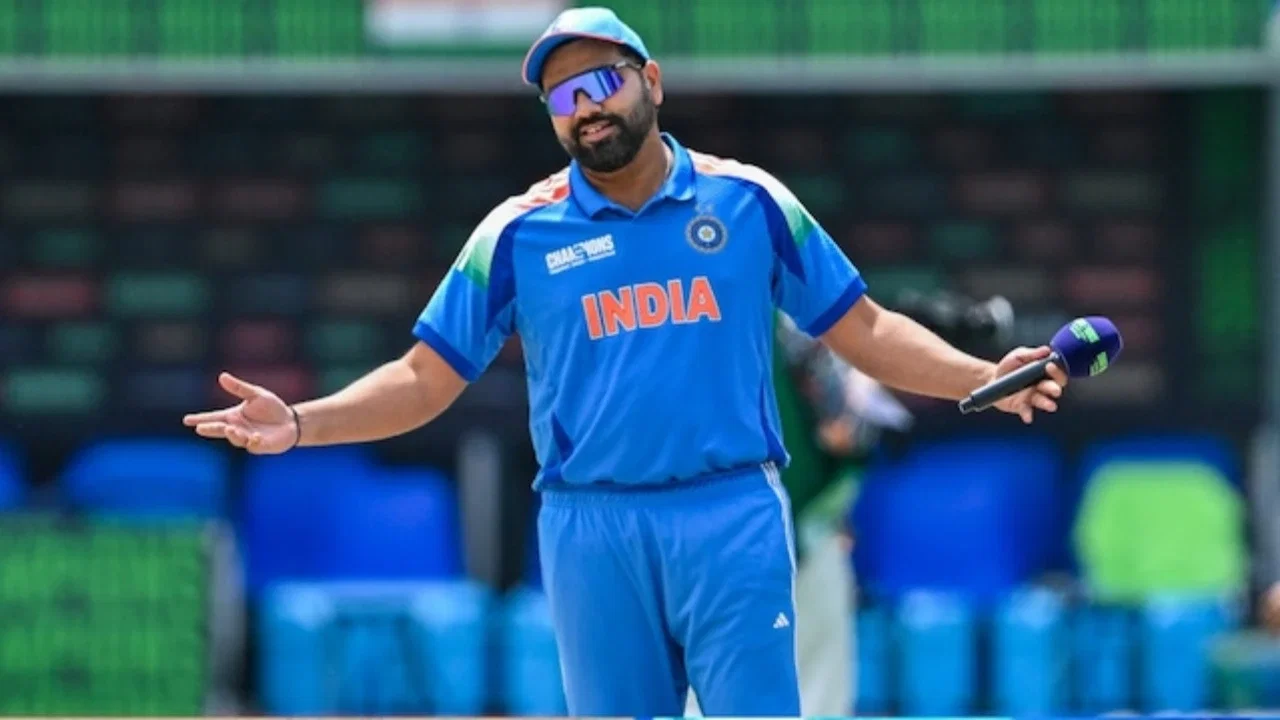
The landscape of Indian ODI cricket appears to be heading toward a significant transition. As the dust settles on recent cycles, reports have emerged suggesting that veteran opener and stalward, Rohit Sharma, is unlikely to participate in the 2027 ODI World Cup. This development has sparked intense discussion regarding the future of the Indian batting lineup, with the BCCI and national selectors reportedly beginning the process of identifying long-term successors to anchor the top order.
Identifying the Future Core
While Rohit Sharma remains one of the most prolific and influential white-ball cricketers of his generation, the logistical realities of international cricket—specifically fitness management, workload regulation, and long-term strategic planning—have become paramount. According to reports from senior journalist G.S. Vivek, the upcoming England tour may serve as a pivotal juncture in determining the veteran’s international trajectory.
The selection committee is not waiting until the last minute to address the void that will eventually be left by the ‘Hitman.’ Alongside the established Shubman Gill, who is viewed as a cornerstone of the future ODI setup, the selectors have shortlisted a pool of talented openers to ensure a seamless transition. Yashasvi Jaiswal has emerged as the immediate frontrunner to step into the opening slot, while Ruturaj Gaikwad and Ishan Kishan are being closely monitored as vital backups for the upcoming ODI cycle.
Addressing Fitness and Workload
Fitness concerns have undeniably clouded the narrative surrounding Rohit’s recent career. The Mumbai Indians stalwart faced challenges during the 2026 IPL, notably suffering a hamstring injury against Royal Challengers Bengaluru. While subsequent medical evaluations ruled out a major tear, the injury necessitated a period of restricted play, with Rohit frequently utilized as an Impact Player to manage his physical output. This cautious approach to his workload has prompted selectors to prioritize players capable of maintaining full-match intensity.
Furthermore, Rohit’s status for the upcoming ODI series against Afghanistan remains subject to ongoing medical assessments. His participation is currently pending complete clearance, highlighting the delicate balance between his iconic status and the need for peak physical readiness in the modern game.
The Legacy of a Modern Great
It is impossible to discuss this transition without acknowledging the monumental contributions Rohit Sharma has made to the game. Since his debut in 2007, his statistics have been nothing short of extraordinary. Across 282 ODIs, he has accumulated 11,577 runs at an impressive average of 48.84, accompanied by a strike rate of 92.74. His record of 33 centuries and 61 half-centuries, including the iconic 264 against Sri Lanka—the highest individual score in ODI history—cements his legacy as one of the format’s greatest ever.
His performance on the grandest stage of all, the ICC World Cup, has been equally formidable. Between 2015 and 2023, he amassed 1,575 runs in just 28 matches at a staggering average of 60.57. These numbers highlight why any potential departure, however inevitable, marks a profound shift for the Indian team.
Broader Leadership Shifts
The structural changes extend beyond the opening slots. The report indicates that Suryakumar Yadav is slated to lead the T20I side during upcoming tours to Ireland and England. Additionally, Sanju Samson is being groomed as a potential T20I leader for the next ICC cycle, with an eye toward the 2028 Olympics and the subsequent T20 World Cup. By proactively managing this transition, the BCCI aims to avoid the chaos of a sudden change, ensuring that the Indian team remains competitive and well-prepared for the challenges of the next three years. As the team moves forward, the focus remains on building a resilient squad capable of carrying the legacy of Indian cricket into a new era.