Reflecting on MI’s Season: ‘No one is going to point fingers’ – Pollard on Hardik’s captaincy

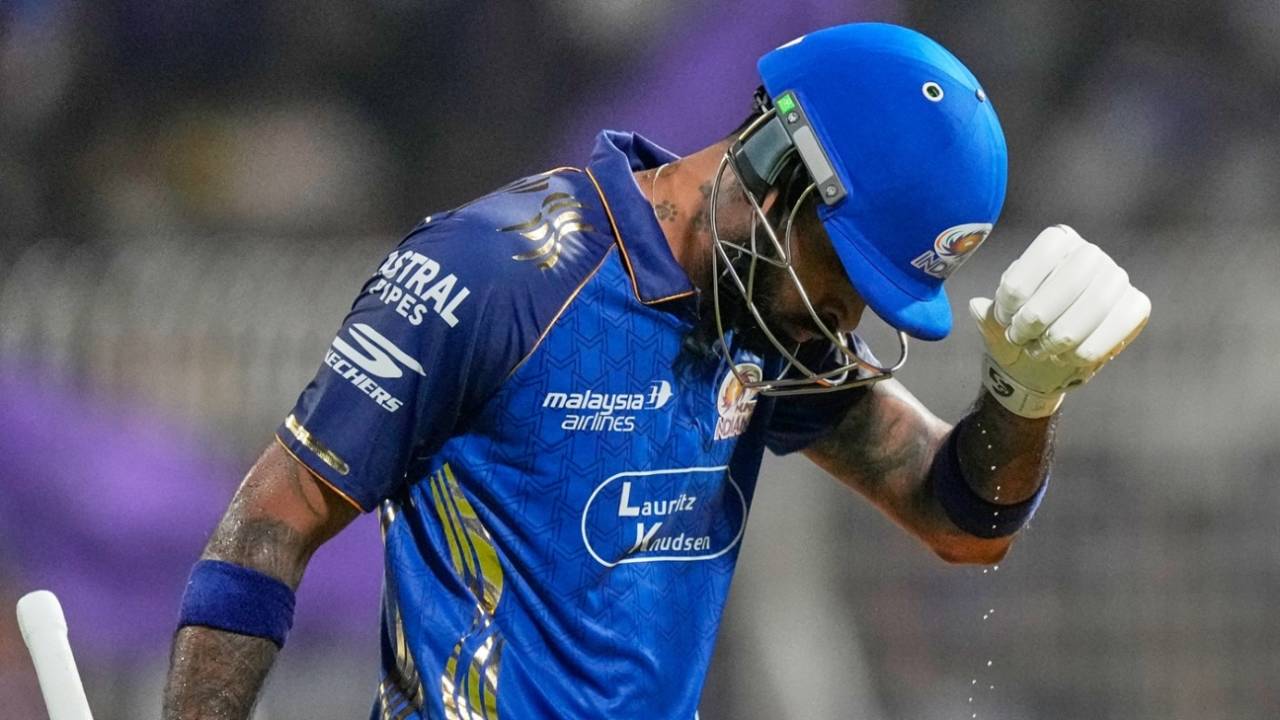
The echoes of a disappointing IPL 2026 season still reverberate for the Mumbai Indians, a campaign Kieron Pollard, the team’s batting coach, aptly characterized as one “of what-ifs.” Following their final loss to Rajasthan Royals, which saw them finish a dismal ninth, Pollard offered candid insights into the team’s struggles and the path forward. His remarks underscored a period of introspection rather than immediate blame, particularly reinforcing the sentiment that ‘No one is going to point fingers’ – Pollard on Hardik’s captaincy, despite the widespread discussion surrounding the team’s leadership.
A Season Riddled with “What-Ifs”
Pollard articulated the pervasive feeling within the Mumbai Indians camp, a sense of missed opportunities and hypothetical scenarios. “If this had happened, if we had done this, if we had done that, if we had played this one, if we had batted, it’s a bit of that,” he stated in the post-match press conference. This sentiment encapsulates a season where crucial moments slipped away, preventing the team from building any significant momentum. He didn’t shy away from admitting the collective disappointment, acknowledging that fans and stakeholders shared the same disheartened feelings. “Overall, it has been disappointing for all of us as Mumbai Indians,” Pollard confessed. “I’m sure the fans and everyone would have felt the same and there’s no hiding from that. We weren’t good the entire tournament. We weren’t able to sort of string together wins and use the momentum when we got it.”
Strategic Review Over Emotional Reactions
Despite the immediate aftermath of a failed season, Pollard stressed the importance of a measured approach to analysis. He firmly stated that now is not the time for discussing specific shortcomings or engaging in a “post mortem” that could lead to emotional and potentially flawed decisions. “Right now is not the time and place to talk about that,” Pollard asserted. “All these things will be sort of emotional decisions and thinking of every aspect of what’s needed.”
Instead, he advocated for a period of calm reflection, allowing everyone involved to gain perspective. “Everyone needs that time and space to go, sit down, recollect, have a fair idea and assessment as to where it went wrong for us. That’s where better decision-making is going to come about,” he explained. Pollard highlighted the potential pitfalls of hasty judgments, suggesting that immediate pronouncements on what needs to be done would be “irresponsible from a management perspective.” This indicates a clear strategy for the franchise to conduct a comprehensive and objective review.
Deep Thinking for Future Success
When the inevitable review does take place, Pollard anticipates it will be exceptionally thorough. The Mumbai Indians, a franchise synonymous with success, have not lifted the IPL trophy since 2020. This prolonged drought, coupled with another disappointing campaign, necessitates profound introspection. “Guys are going back and actually think about what’s needed,” Pollard commented, acknowledging the team’s acceptance of this extended period without a championship. “It has been a while that we have won the championship and that’s something that we have accepted as a team. And I said, another disappointing campaign adding to what would have transpired before. So deep thinking is going to go into it.” This signals a strong commitment from the management to identify and address the root causes of their recent underperformance.
‘No one is going to point fingers’ – Pollard on Hardik’s captaincy
One of the most debated topics throughout the IPL 2026 season was Hardik Pandya‘s captaincy. Pollard addressed this directly, contextualizing the team’s performance against previous seasons. He recalled that just 12 months prior, the team finished fourth (IPL 2025), which, in his view, justified some of the strategic changes made before the current season. However, finishing ninth significantly alters the perspective, bringing those decisions under renewed scrutiny. “Now, finishing ninth, you’re not wanting to question it,” Pollard noted, pointing to the inconsistencies that the team must eliminate.
Regarding Hardik’s individual performance as a leader, Pollard offered a supportive yet realistic assessment. “And from a leadership perspective, Hardik, yes, it has not gone maybe as well as he would have wanted as an individual,” he conceded. Crucially, Pollard underscored the collective responsibility for the team’s outcome, deflecting individual blame. “But one thing you know that we’d have tried each and everything to give him the best opportunity to lead the franchise to do well. And again, no one is going to sit here and point fingers. I think when you lose, you have to look at it from a collective perspective. So you win some, you lose some. He was trying, we all were trying and it just didn’t work out for us.” This strong statement by Pollard emphasizes a unified front and a shared accountability within the Mumbai Indians setup.
Strategic Player Management for a ‘Prized Possession’
Another significant talking point revolved around Jasprit Bumrah‘s wicket-taking form, or lack thereof, this season. While his economy rate remained impressive at 8.37, his four wickets marked his leanest season since 2015. Pollard shed light on the management of the star bowler. “To be honest, he came in with a bit of a niggle after the [T20] World Cup. We tried to manage it. He wasn’t his best self in terms of fitness perspective and all of that,” Pollard revealed, explaining the underlying physical challenges Bumrah faced. Despite these issues, Bumrah showcased his commitment by trying to deliver for the team.
Bumrah was notably rested for MI’s final game of the season after playing 13 matches. Pollard justified this decision by highlighting the futility of risking a key player in a dead rubber. “You’re going to get two points if you played. What’s that going to do for us?” he questioned, emphasizing the practical implications. “I think sometimes, you need to understand the player, understand what’s necessary at this point in time. And I think from a selection perspective, we didn’t think that today would have been right for him to play. We had other guys on the bench. We have depth in our bowling. We have young guys. So trying something different, I don’t see anything wrong with that.” This move was a clear strategic choice to protect a valuable asset, especially given that Mumbai Indians were already out of playoff contention. Pollard concluded by reinforcing Bumrah’s importance to Indian cricket, stating, “He’s a prized possession for Indian cricket. So sometimes you have to take the smarter option.”
The IPL 2026 season will undoubtedly be a period of significant reflection for the Mumbai Indians. Kieron Pollard’s honest assessment paints a picture of a team that acknowledges its shortcomings and is prepared for a deep dive into its operational and strategic frameworks. The emphasis on collective responsibility, particularly concerning Hardik Pandya’s captaincy, and the careful management of a star player like Jasprit Bumrah, indicate a franchise committed to long-term success, even in the face of immediate disappointment. The forthcoming review promises to be comprehensive, aiming to rekindle the championship-winning spirit that has defined the Mumbai Indians for so long.