Pakistan chase series win, Australia try to combat spin in Lahore

The Tactical Battle Shifts to Lahore
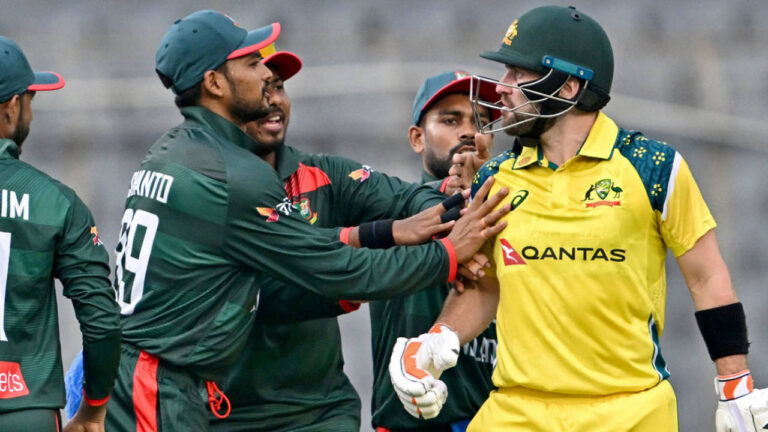
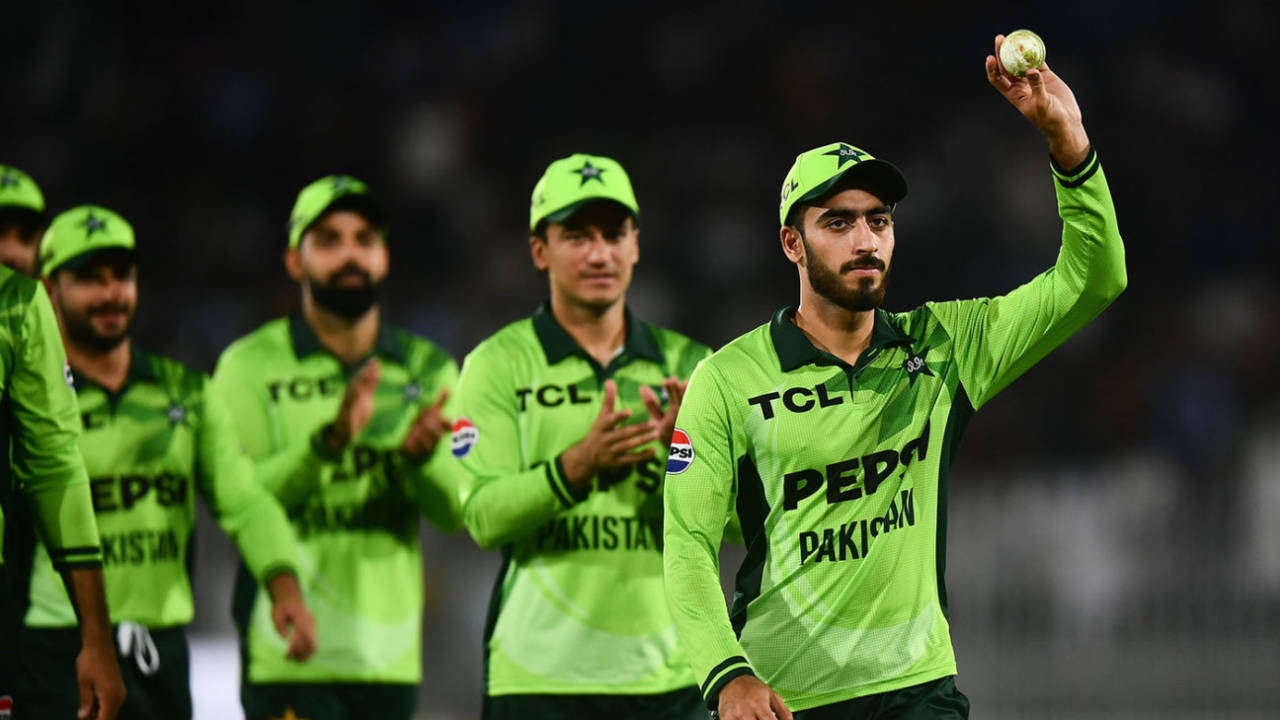
The opening encounter of the ODI series provided a stark reality check for the touring Australian side. In Rawalpindi, the visitors were left baffled by the spin-dominant conditions, struggling to gain momentum against a disciplined Pakistani bowling attack. The standout performance came from debutant Arafat Minhas, whose left-arm orthodox spin dismantled the top order. As the teams relocate to Lahore, the narrative remains centered on whether Pakistan chase series win, Australia try to combat spin, or if the conditions in Punjab will dictate a completely different style of play.
The Lahore Equation
Gaddafi Stadium in Lahore is historically known for being a batter’s paradise. Unlike the slow, low-bouncing nature of the Rawalpindi pitch, Lahore has frequently seen scores exceeding 300, including some high-profile chases. For Pakistan, the upcoming match presents a strategic dilemma. Does the team prioritize securing a series victory by opting for another spin-friendly deck, or do they look toward the long-term goal of preparing for the next World Cup in southern Africa? A neutral, pace-friendly surface might offer more development value for their fast-bowling stocks, yet the lure of sealing the series early is often difficult to resist.
Australia’s Developmental Hurdles
Australia entered this series with the clear intent of testing their depth and building a roadmap for their future ODI squad. While the challenges posed by spin were entirely predictable, the failure to adapt effectively in the first game remains a point of concern for the coaching staff. The management is currently rotating their XI to give younger players valuable experience, with figures like Matt Short, Matt Renshaw, and Tanveer Sangha showing promising signs. However, the struggles of established players like Marnus Labuschagne and Cameron Green are becoming increasingly evident as they fight to solidify their roles ahead of future global tournaments.
Key Figures Under Pressure
Two players find themselves firmly in the spotlight ahead of the second ODI: Shadab Khan and Marnus Labuschagne. Shadab’s return to the ODI fold was far from ideal; he failed to make an impact with the ball and was underutilized with the bat. With the emergence of Arafat Minhas and the reliability of Abrar Ahmed, Shadab’s position in the side is being heavily debated. Conversely, Labuschagne is enduring a significant lean patch. Having averaged just over 12 runs in his last 14 games, the pressure is mounting on him to prove his worth as a middle-order anchor. His inability to convert starts into substantial scores could jeopardize his place in the long-term planning for the 2027 World Cup.
Expected Changes and Conditions
Team news suggests both sides are considering tactical adjustments. Pakistan may swap Shadab Khan for the pace of Naseem Shah if the pitch lacks turn. Australia, meanwhile, are expected to continue their experimentation. Liam Scott is tipped for an opportunity, and there is a possibility of managing the workload of quicks like Billy Stanlake. Adam Zampa’s fitness remains a variable, though the team is unlikely to carry three frontline spinners if the pitch is expected to be flat. With temperatures in Lahore predicted to reach 38 degrees Celsius, the humidity and potential for evening dew will play a major role in the toss decision, as teams batting first have historically enjoyed success at this venue over the last two years.
Looking Ahead
Despite the tough loss, the Australian squad remains optimistic about their ability to adjust. As Matt Renshaw noted, visiting teams understand the challenges of the subcontinent, and the mission remains to prepare as thoroughly as possible. Whether Australia can successfully overcome the technical deficiencies exposed in the first game will define the remainder of this tour. The stage is set in Lahore for a high-scoring thriller where the tactical maneuvering will be just as significant as the physical performance on the field.