Molineux urges Australia to play with freedom in bid to reclaim title | T20 World Cup Strategy

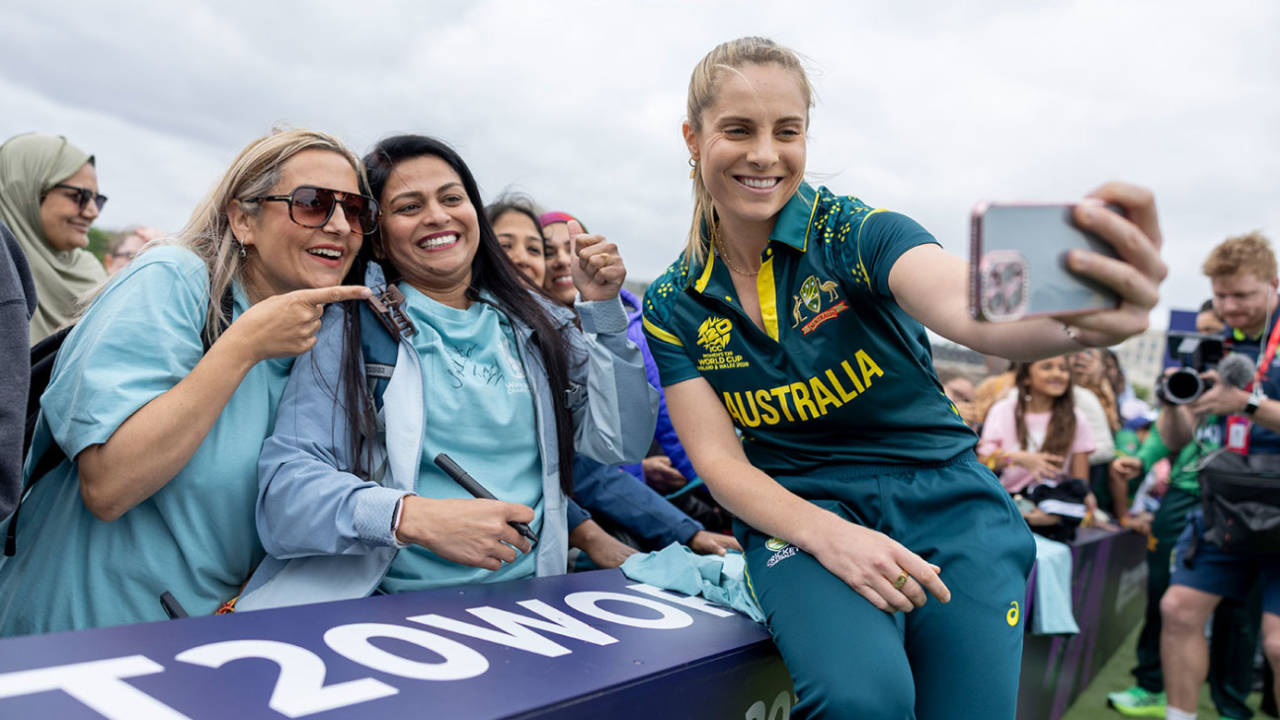
The Australian women’s cricket team is gearing up for the highly anticipated T20 World Cup with a fresh perspective, championed by captain Sophie Molineux. In a recent statement, Molineux urged her squad to embrace their current status of not holding any global silverware, viewing it as an opportunity to play with unparalleled freedom. This strategic mindset aims to alleviate the pressure often associated with defending a title, allowing the players to perform at their uninhibited best on the grandest stage of T20 cricket.
Ash Gardner, the team’s astute co-vice-captain, echoed a similar sentiment last week in an interview, suggesting that the primary burden of expectation rests squarely on the shoulders of New Zealand, the reigning champions. This collective team philosophy, articulated by both Molineux and Gardner, signals a deliberate attempt to shift the psychological narrative surrounding Australia’s campaign. As the captains of the twelve competing nations gathered in London for the official ICC event launch, Molineux expressed a profound sense of eagerness from her team to demonstrate the significant strides they have made in recent months. Their journey to reclaim global dominance begins with a crucial opening fixture against South Africa at the iconic Old Trafford stadium this coming Saturday.
Embracing the Underdog Mentality
“I think it can free us up if we harness that,” Molineux remarked, reflecting on the unique position of entering the tournament without a title to defend for the first time since 2018. This change in circumstance, she believes, offers a powerful psychological advantage. “The last couple of World Cups we’ve learnt a whole lot from that and been able to implement a few things,” she added, highlighting the invaluable lessons gleaned from past campaigns. These experiences, though perhaps not yielding the ultimate prize, have evidently contributed to a period of introspection and strategic recalibration within the Australian camp.
Molineux further elaborated on the palpable sense of evolution within the squad. “I feel like we’ve really evolved as a team in the last few months and even before that,” she stated with conviction. This evolution is not just technical or tactical but also encompasses a deepening of team cohesion and a shared vision for success. “So I’m really excited and I think the girls are really hungry to get out there and be able to put that in place. I don’t think there’s any better arena to be able to do it at a World Cup in the big moments that are going to come in the next few weeks.” Her words underscore a team brimming with anticipation and a fierce desire to convert their training ground efforts into match-winning performances when it matters most.
Molineux’s Return and Leadership Philosophy
The appointment of left-arm spinner Sophie Molineux as the successor to the retired Alyssa Healy at the beginning of the year marked a significant transition for the Australian team. Molineux’s journey to this captaincy role has not been without its challenges. During Australia’s tour of the Caribbean in March, she was compelled to play solely as a batter after suffering a debilitating back pain. This injury, a stress reaction detected during the preceding home series against India, necessitated a period of careful management and rehabilitation.
However, through diligent recovery and strategic oversight, Molineux is now “ready and firing to go.” Her return to full bowling fitness was evident in Australia’s completed warm-up games. Against South Africa at Arundel, she showcased her renewed prowess, claiming impressive figures of 2 for 17 and 1 for 16. These performances are a testament to her resilience and the effectiveness of her recovery program. As she steps into her leadership role, Molineux is keen to establish herself as a calm and caring captain, one who can not only guide her team strategically but also foster an environment where individual talent can flourish. She aims to harness the enviable talent, knowledge, and skill present in her team, pushing them to “go to another level.”
“As a person and leader, I’d like to be calm,” Molineux articulated, outlining her leadership philosophy. This calmness is not a sign of detachment but rather a deliberate approach to instill confidence and stability within the squad, particularly during high-pressure moments. “I also care a lot about this team and the people in it, first and foremost that the people in the environment feel like they can be themselves. That’s been a big thing coming in.” This emphasis on psychological safety and personal expression highlights a modern approach to captaincy, recognizing that a comfortable and authentic team environment is crucial for peak performance. The captain believes that with “all the ingredients there,” the team now has “the stage and the opportunity to be able to show that over the next few weeks. The girls are really hungry to be able to do that. I’m really excited for what this group can do.”
Navigating English Conditions and Warm-up Preparations
Australia’s women’s team holds a unique historical footnote at Old Trafford, having played there only once before – a drawn Test match against England back in 1976. This limited direct experience with the venue means the team will heavily lean on the extensive experience within their squad from playing in English domestic cricket and the Hundred. Such intelligence on local conditions, pitch behaviors, and even weather patterns will be invaluable.
“We’ve spoken about this a little bit,” Molineux confirmed, acknowledging the strategic importance of tapping into this knowledge base. “Our squads have a lot of experience over here in England. Players like Grace Harris have spent a lot of time out here and a lot of runs in England as well. We’ll definitely have to lean into that and make sure we make use of all that knowledge.” This collaborative approach to understanding the playing environment underscores the depth of experience and collective wisdom available within the Australian contingent.
The team’s preparations also include two more crucial warm-up games, scheduled against England on Monday and West Indies on Wednesday, both to be played in Cardiff. These matches are designed to refine combinations and solidify the playing XI that will take the field in Manchester. Unlike the earlier warm-up fixtures against South Africa in Arundel, which focused more on exploring middle-order combinations and exposing a broader range of players to English conditions, these final games will likely see Australia field sides that more closely resemble their full-strength starting lineup. This graduated approach to warm-ups allows for both experimental flexibility and a focused final rehearsal.
A Wealth of Options: Spin and Seam Depth
One of the most significant, albeit welcome, challenges for Molineux and the coaching staff will be managing the immense depth of Australia’s spin stocks. With Molineux herself a definite lock as captain, the formidable match-winning allrounder Ash Gardner, and two high-quality legspinners in Georgia Wareham and Alana King, the team possesses a veritable arsenal of spin options. Each brings a unique skill set and variation, providing Molineux with tactical flexibility depending on pitch conditions and opposition strengths.
Beyond the spin department, Molineux has expressed considerable satisfaction with the performances of her seamers during the practice games thus far. “It was good to see Lucy Hamilton get into the action in Arundel and bowl really well,” she noted, highlighting the emergence of promising talent. The strategic deployment of senior pacers was also a point of positive observation: “Annabel Sutherland and Ellyse Perry were bowling in the powerplay, so that’s just nice to know that they can do that.” This versatility allows Australia to adapt their bowling attack to various game situations, ensuring they have wicket-taking options across all phases of an innings.
The captain further elaborated on the diverse contributions of her spinners: “We had our leggies bowling… Kingy bowled really well in the West Indies and was able to take a lot of wickets but Wolf’s played an amazing role in both the attacking and defensive bowling roles.” This detailed assessment underscores the nuanced roles assigned to each bowler and their proven ability to deliver under different circumstances. Such a rich pool of talent naturally leads to intense competition for places. “It’s going to be tough. It’s going to be tight for spots,” Molineux admitted, acknowledging the difficult decisions ahead.
Ultimately, this selection headache is a testament to the strength and depth of Australian cricket. “That’s all you can ask for as a captain and as a coach, is to be able to have tough conversations about who’s getting picked each game,” Molineux concluded. This robust internal competition ensures that only the most in-form and strategically vital players make it into the final XI, providing Australia with a formidable and well-rounded team as they embark on their quest to reclaim the T20 World Cup title.