Manu Bhaker-Vaibhav Sooryavanshi Controversy: Why Social Media is Raging Over Cricket’s Dominance

The Rise of a Teenage Prodigy: Who is Vaibhav Sooryavanshi?
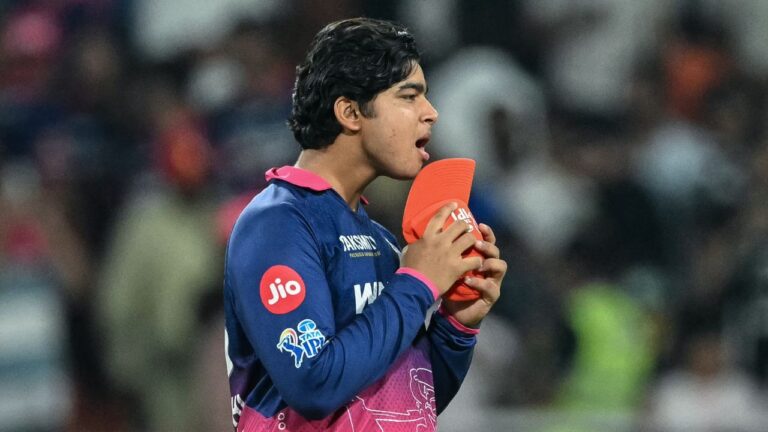
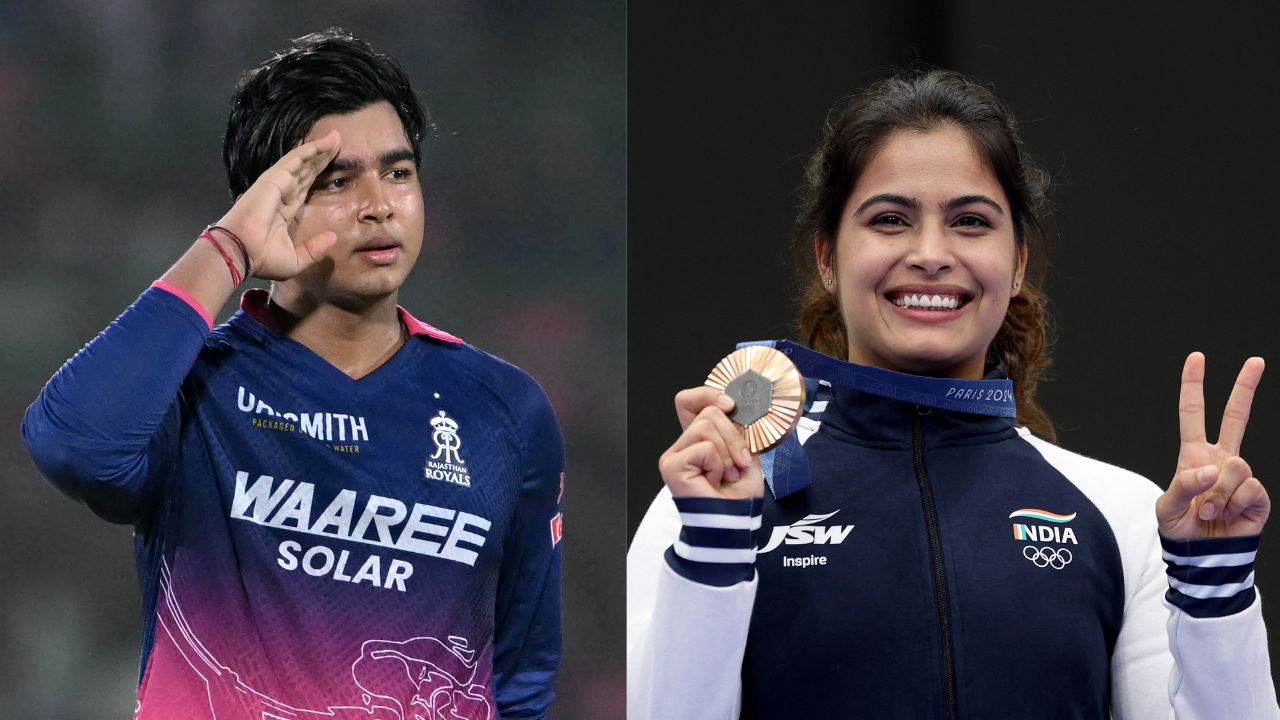
In the high-octane world of the Indian Premier League (IPL), a new name has recently captured the imagination of millions: Vaibhav Sooryavanshi. At just 15 years old, the Bihar-born batter has emerged as a phenomenon, breaking records as the youngest centurion in the league’s history. Now a prominent opener for the Rajasthan Royals, Sooryavanshi is being hailed as one of the most exciting teenage talents globally.
Currently playing his second IPL season, Sooryavanshi has combined explosive power with an effortless batting style, accumulating over 500 runs. Despite the immense pressure of the world’s biggest T20 league, he maintains a charming, child-like demeanor—famously continuing to watch cartoons before matches to keep his mind relaxed. His rise has been nothing short of meteoric, making him a focal point of sports discussions across the country.
The Spark: An Unusual Question for an Olympic Champion
While Sooryavanshi’s success is undisputed, he recently became the center of a controversy not because of his batting, but because of a media interaction involving double Olympic medalist Manu Bhaker. During the 75th anniversary event of the National Rifle Association of India (NRAI) in Delhi, Bhaker—one of India’s most celebrated sport shooters—was approached by the media.
In a turn of events that many found jarring, the interviewer asked Bhaker for her thoughts on the 15-year-old cricket sensation, Vaibhav Sooryavanshi. The exchange was intended as a cross-sport reference between two young, successful Indian athletes, but it quickly spiraled into a national debate about sporting priorities.
Manu Bhaker’s Graceful Response
Despite the unexpected nature of the question, Manu Bhaker responded with maturity and thoughtfulness. Rather than focusing on the sport of cricket itself, she emphasized the role of support systems and mentorship in an athlete’s journey. As quoted by TOI, she stated:
“I would say that if the mentorship is good, the company around him is good, and the people around are good, then age is just a number. And there is no age for talent.”
The 24-year-old shooter further elaborated on the timeless nature of achievement, adding, “Great things happen at 60, they happen at six. So if the people around him mentor him well and guide him properly, then I am sure he will be the next big star.” Her comments highlighted the universal challenges young athletes face when transitioning into the elite spotlight.
The Backlash: “Unfair on Her Achievements”
While Bhaker’s answer was diplomatic, the internet did not share the same sentiment. Almost immediately after the interaction surfaced, social media erupted in criticism. The core of the anger stemmed from the perceived irony and the blatant double standard in how Indian media treats cricket versus other sports.
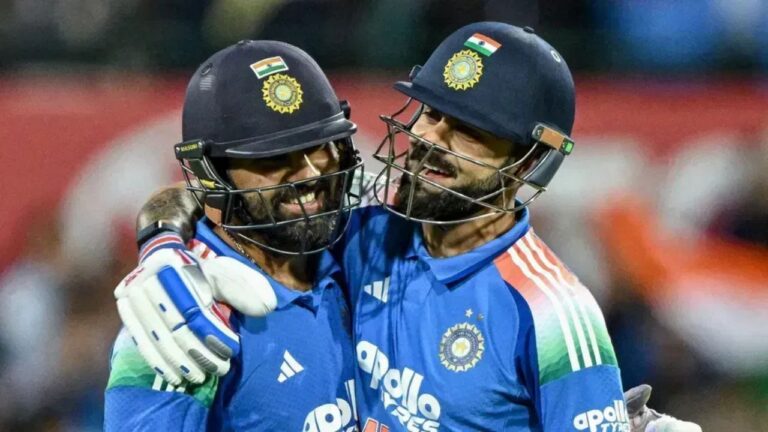
Fans pointed out a glaring disparity: at the age of 16, Manu Bhaker was already a senior World Cup gold medalist and a global sensation in the shooting world. However, the internet questioned whether high-profile cricketers like Virat Kohli or Rohit Sharma were ever asked to comment on her rise. The consensus among critics was that the answer is a resounding “no,” and that expecting an Olympic medalist to provide commentary on a teenage cricketer is an unacceptable practice.
Expert Opinion: Joy Bhattachariya Weighs In
The controversy gained more weight when Joy Bhattachariya, the former director of the Kolkata Knight Riders (KKR), spoke out in support of Bhaker. Even coming from within the cricketing fraternity, Bhattachariya found the line of questioning disrespectful. He wrote, “She is an Olympic medallist. To ask her what she thinks of Vaibhav Sooryavanshi is unfair on her achievements and her sports.”
The Bigger Picture: Cricket’s Shadow Over Indian Sports
This incident has reopened a long-standing wound in the Indian sporting psyche. For many, the “Manu Bhaker-Vaibhav Sooryavanshi row” is not about the individuals involved, but about a systemic issue. The outcry reflects a frustration that India’s aspirations to become a multi-sporting nation are hindered by a culture where cricket’s massive popularity often buries the achievements of athletes in other disciplines.
- n
- The Disparity: While cricket stars receive undivided attention, Olympic heroes often have to fight for the same level of recognition.
- The Expectation: There is a growing demand for the media to respect the boundaries of different sporting disciplines.
- The Impact: When the conversation shifts from an Olympic medalist’s achievements to a cricketer’s potential, it diminishes the prestige of the non-cricketing sport.
In conclusion, while Vaibhav Sooryavanshi’s talent is undeniable and his future bright, the controversy serves as a reminder that respect for athletic achievement should not be dictated by the popularity of the sport. As India continues to climb the global medal tally, the hope is that the narrative will shift toward celebrating all champions equally.