IPL Final Venues History: From 2008 to the 2026 Narendra Modi Stadium Showdown

The Grand Stage: IPL 2026 Final Confirmed
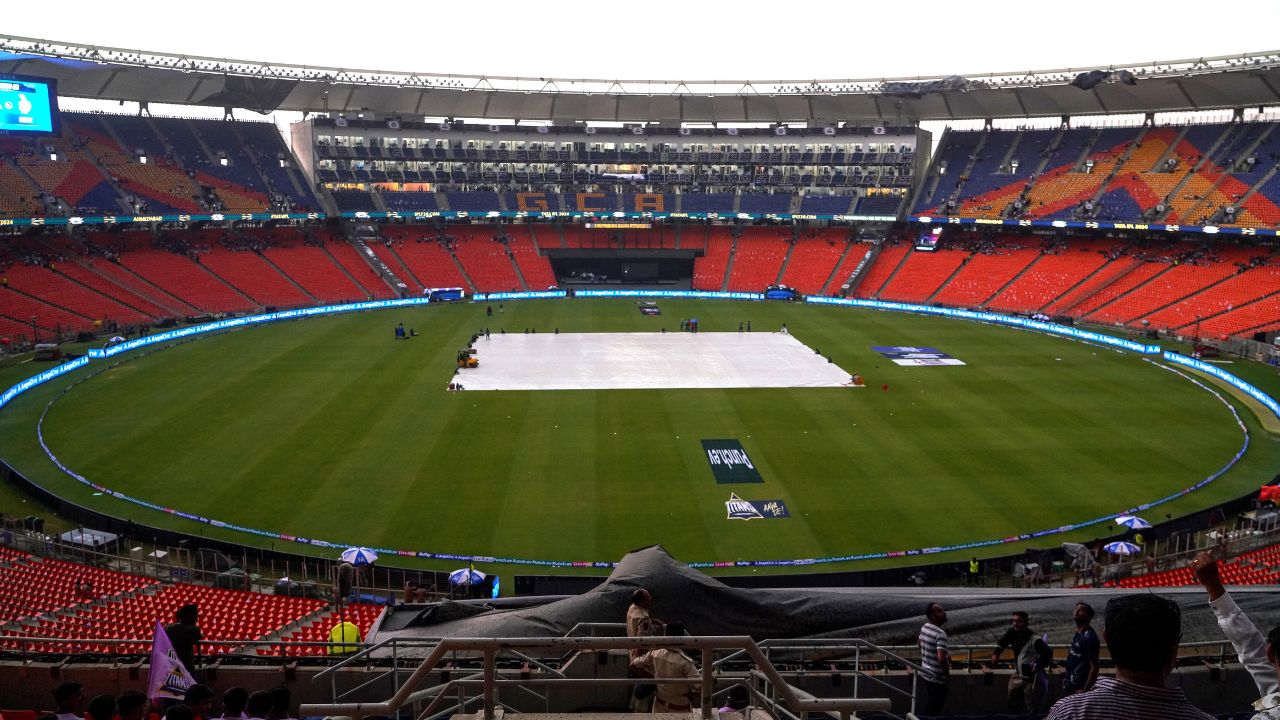
The intensity of the Indian Premier League is reaching a fever pitch. With all 10 franchises fighting tooth and nail for a playoff berth, the cricketing world has turned its attention to the ultimate prize. In a major announcement made on Wednesday, May 6, the Board of Control for Cricket in India (BCCI) officially confirmed that the Narendra Modi Stadium in Ahmedabad will play host to the IPL 2026 final.
This decision marks a continuation of the trend of selecting massive capacity venues for the league’s grandest occasion. With a staggering seating capacity of 132,000, the Narendra Modi Stadium provides an atmosphere unlike any other in world cricket.
A Legacy of Finals at the Narendra Modi Stadium
Since its renovation and rebranding in 2020, the stadium in Ahmedabad has quickly established itself as the premier destination for the IPL summit clash. Having already hosted three IPL finals, the 2026 edition will be the fourth time this architectural marvel welcomes the league’s two best teams to compete for the trophy. Its ability to maximize revenue, accommodate massive crowds, and create an unparalleled high-pressure environment makes it a clear favorite for the BCCI.
Tracing the History: IPL Final Venues (2008-2026)
The journey of the IPL final has taken us to various corners of India. It all began in 2008, a year that forever changed the landscape of T20 cricket. The inaugural final took place at the DY Patil Stadium in Navi Mumbai. Interestingly, while the Wankhede Stadium in Mumbai was the initial choice, the DY Patil Stadium was selected due to its larger capacity, proving that even in its infancy, the IPL prioritized the “bigger is better” philosophy.
That historic night saw Shane Warne’s Rajasthan Royals pull off an underdog miracle against MS Dhoni’s Chennai Super Kings, setting the tone for nearly two decades of competitive excellence.
Which Stadiums Have Hosted the Most Finals?
While various iconic grounds like the M.A. Chidambaram Stadium (Chepauk) hold a special place in the hearts of fans—particularly for hosting the 2011 final where Chennai Super Kings lifted the trophy—the statistics tell a story of shifting trends. The Eden Gardens in Kolkata has also seen its fair share of glory, hosting two finals in 2013 and 2015, both of which resulted in victories for the Mumbai Indians.
However, the Narendra Modi Stadium is now effectively the record holder for the most IPL finals hosted. Below is a look at the evolution of the final venue selection:
- 2008: DY Patil Stadium, Navi Mumbai
- 2009-2025: A journey through traditional hubs and neutral venues, including the challenges faced during the COVID-19 pandemic.
- 2026: Narendra Modi Stadium, Ahmedabad
The Changing Landscape of IPL Hosting
The tradition of the defending champion hosting the final has largely been discarded in favor of neutral, high-capacity venues. This strategic move ensures that the final becomes a global event, capable of accommodating fans from across the country and the world. As we look ahead to May 31, 2026, the stage is set for yet another historic night in Ahmedabad.
Will we see a new champion rise, or will a powerhouse franchise dominate once again? Regardless of the outcome, the Narendra Modi Stadium is prepared to handle the weight of 132,000 expectations. As the tournament enters its final stages, cricket enthusiasts remain glued to their screens, waiting to see who will be the next name etched on the coveted trophy.
Stay tuned for more updates on the 2026 playoff fixtures and behind-the-scenes developments as the IPL drama continues to unfold.