IPL 2026 Final Shifted: Bengaluru Loses Hosting Rights to Ahmedabad Amidst Ticket Standoff

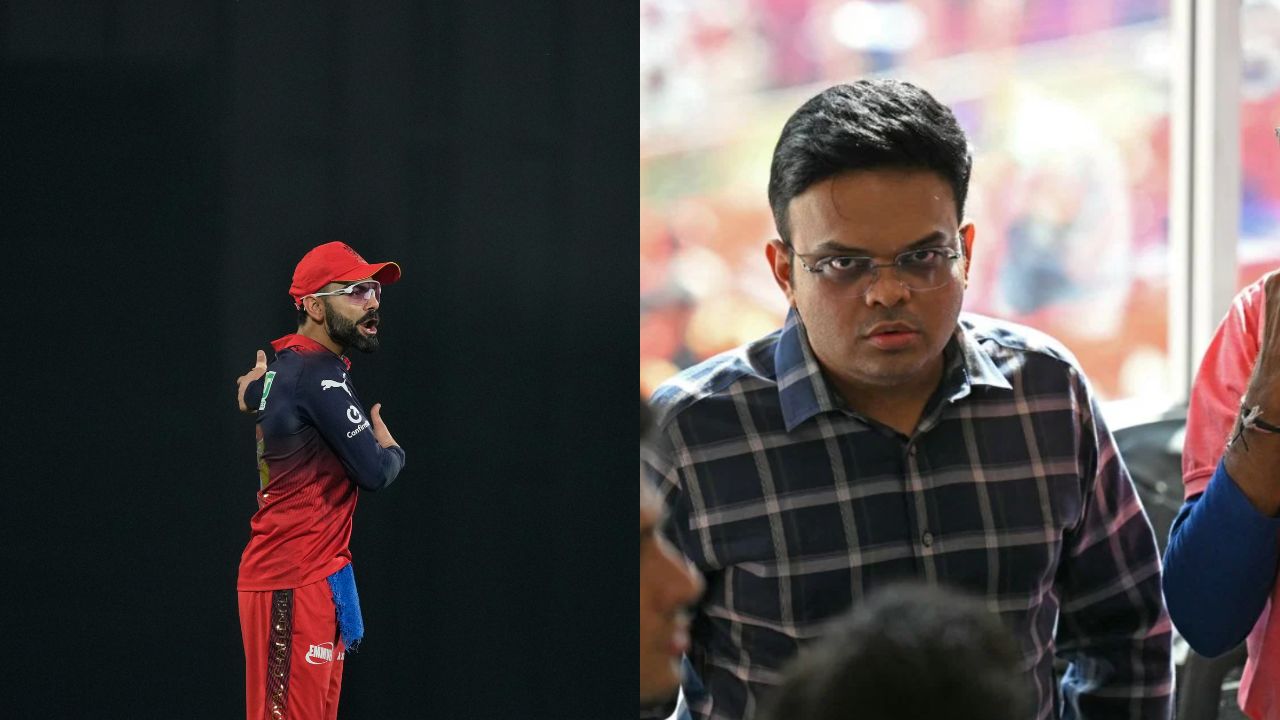
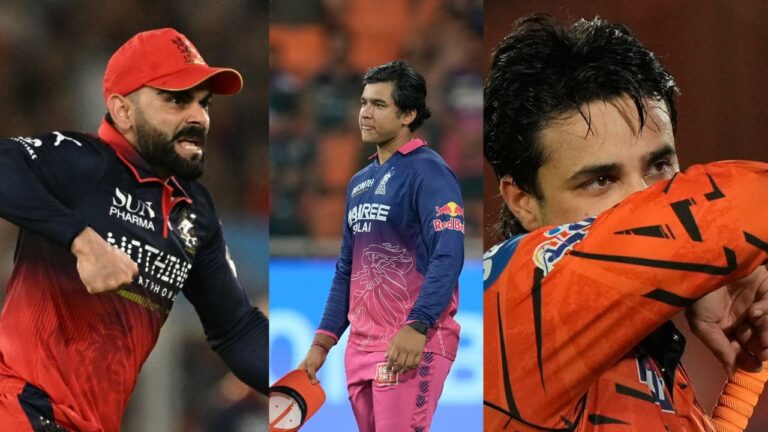
Virat Kohli Jay Shah for RCB, BCCI in IPL. Image Credits: AP/AFP
In a stunning development that has sent ripples across the Indian cricket fraternity, the Board of Control for Cricket in India (BCCI) has officially confirmed the reallocation of the IPL 2026 final hosting rights. Originally slated for the M. Chinnaswamy Stadium in Bengaluru, the marquee event will now be held at the colossal Narendra Modi Stadium in Ahmedabad. This decision marks a significant change in the tournament’s operational plan, stirring considerable discussion among fans and stakeholders alike.
BCCI Explains the Shift: Operational & Logistical Considerations
The official announcement regarding the IPL 2026 playoff schedule, released on May 6, outlined the new venues. While the HPCA Stadium in Dharamsala is set to host Qualifier 1, and the Mullanpur Stadium in Chandigarh will be the venue for both the Eliminator and Qualifier 2, it was the shift of the final that captured immediate attention. The BCCI, in its statement, cited ‘certain operational and logistical considerations’ as the primary reason for this unprecedented move, emphasizing its nature as a ‘special case’ for the season.
The statement elaborated: “Owing to certain operational and logistical considerations, the TATA IPL 2026 Playoffs will be conducted across three venues this season as a special case. Bengaluru was originally designated to host the Final. However, owing to certain requirements from the local association and authorities that were beyond the scope of BCCI’s established guidelines and protocols, the venue has been shifted and reassigned.”
This declaration from the BCCI underscores a commitment to upholding its internal standards and protocols, suggesting that the ‘requirements’ from Bengaluru’s local association and authorities were substantial enough to necessitate a relocation of such a high-profile event. The decision to move the title clash to the Narendra Modi Stadium, the world’s largest cricket stadium, is presented as a singular, exceptional measure, not indicative of a long-term policy change.
The Heart of the Matter: Political Interference and Free Tickets
While the BCCI’s official statement remained diplomatic, insiders and credible reports have shed more light on the underlying reasons for Bengaluru losing its hosting opportunity. The crux of the issue appears to be a significant standoff between the Chinnaswamy Stadium authorities and local political figures, particularly Congress MLAs, who reportedly demanded a specific quota of complimentary tickets and VIP access for the playoff games. These demands, according to sources, were deemed to be in direct conflict with the BCCI’s established guidelines and protocols, which aim to ensure fairness and prevent undue political interference in the commercial and sporting aspects of the IPL.
The controversy intensified when Karnataka CM DK Shivakumar reportedly allotted three free IPL tickets to each MLA and MP. This move, intended perhaps to appease the political class, was met with strong disapproval from cricket fans, who quickly accused politicians of abusing their power and seeking preferential treatment at the expense of genuine spectators. Such actions, the BCCI reportedly felt, created an untenable situation that undermined the integrity and operational autonomy of the tournament.
A BCCI source had previously hinted at the potential consequences if the Karnataka State Cricket Association (KSCA) failed to resolve the escalating ticket dispute with local politicians. It seems that the deadline for resolution has passed, and the inability to align with the BCCI’s ‘standard guidelines and protocols’ due to these political demands ultimately cost Bengaluru the prestigious opportunity to host the IPL 2026 final. This incident highlights the challenges sports bodies often face in navigating the complex landscape of local politics and ensuring a smooth, unbiased execution of events.
A Missed Opportunity for Bengaluru’s Image
The shifting of the IPL 2026 final is particularly poignant for Bengaluru, a city that holds a special place in Indian cricket. The Chinnaswamy Stadium, a historic venue, was in a unique position to reclaim its stature. Last year, the city’s home team, Royal Challengers Bangalore (RCB), achieved a long-awaited triumph by winning their maiden IPL title, igniting widespread celebrations. However, these joyous festivities tragically turned sombre when a stampede outside the stadium during victory celebrations claimed the lives of 11 fans.
In the aftermath of this devastating incident, the Chinnaswamy Stadium faced a temporary ban from hosting any competitive cricket matches. It was only after a thorough review by a specially appointed committee, which declared the stadium safe and implemented enhanced security measures, that RCB was permitted to play a limited number of their home games there. The opportunity to host the IPL 2026 final was seen as a crucial step for Bengaluru and the Chinnaswamy Stadium to fully restore their public image and demonstrate their capability to manage large-scale events safely and efficiently.
By losing the final to Ahmedabad, Bengaluru has arguably missed a golden chance to showcase its resilience and renewed commitment to safety and operational excellence. The financial implications are also considerable, as hosting an IPL final brings significant economic benefits through tourism, hospitality, and local business engagement. This decision serves as a stark reminder of the delicate balance required between sporting governance and external pressures, ultimately underscoring the BCCI’s firm stance against perceived political interference that could compromise the integrity and smooth conduct of one of the world’s most popular cricket leagues.