Hemang Badani Claims BCCI Controls Delhi Capitals’ Home Pitches

A Staggering Revelation in IPL 2026
The 2026 Indian Premier League season has been marked by intense competition and tactical intrigue, but the latest controversy surrounding the Delhi Capitals (DC) has taken the cricketing world by surprise. Following a disappointing loss to the Chennai Super Kings at the Arun Jaitley Stadium on May 5, DC head coach Hemang Badani made a bold, unprecedented claim: the franchise has virtually no control over the nature of the pitches at their home ground.
This statement arrives at a turbulent time for the Delhi franchise. Having lost four out of their five home matches this season, the Capitals have struggled to find consistency on surfaces that seem to shift unpredictably from game to game. Badani’s comments bring to light a debate that has simmered beneath the surface for years, but has never been addressed with such directness by a high-ranking official.
The Pitch Controversy Explained
The match against the Chennai Super Kings highlighted the bizarre reality facing the Capitals. On a surface that clearly favored spin, DC’s batters found themselves trapped by the likes of Akeal Hosein and Noor Ahmad. The home side was reduced to a precarious 69/5 by the eleventh over, forcing them to rely on Impact Player Sameer Rizvi, who managed a fighting 40 to bring their total to 156/7.
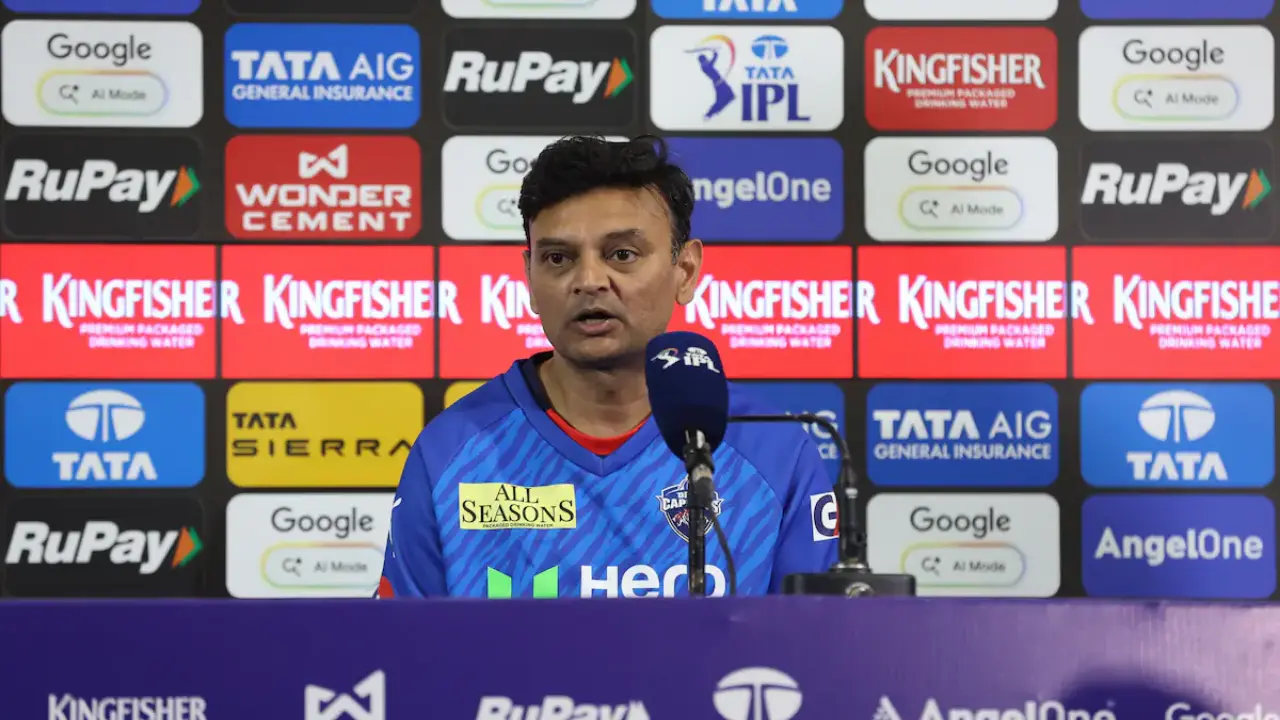
Badani’s comments in the post-match conference shed light on why the team feels so alienated from their own home environment. When questioned about the varying nature of the pitches—which have ranged from high-scoring tracks where 265 was chased down by Punjab Kings, to absolute minefields where the team was bowled out for just 75 against RCB—Badani was unequivocal.
“We don’t have any control over the surfaces,” Badani stated. “As much as one would like to think that we are in control of the surfaces we want to play on, there’s a clear mandate from the BCCI that they look after the pitches and they’re the ones who ensure that there’s no local side that gets benefits out of the surfaces. You play what is presented to you.”
A First in IPL History
For 19 years, the IPL has operated under the assumption that home teams carry some degree of influence over the preparation of pitches to suit their team composition. While curators are generally guided by neutrality, Badani’s claim that the BCCI directly intervenes to prevent “local benefits” is a massive departure from standard belief. No other team representative has made such a claim in the history of the league, making this a pivotal moment for IPL governance.
The impact of these surfaces is evident in the numbers. The Capitals have been forced to cycle through various tactical permutations, including the early use of their Impact Player just to stabilize the batting order. The inability to predict the surface at the Arun Jaitley Stadium has arguably handicapped Delhi more than any other team this season.
The Road Ahead for Delhi Capitals
If Badani’s assessment is correct, the challenges facing the Delhi Capitals are systemic and unlikely to change before their next fixture. The team currently sits in seventh place on the points table, having secured only four wins in ten matches. Their momentum has been crushed by these home-ground struggles, and the pressure is mounting.
The upcoming match on May 8th against the Kolkata Knight Riders is a critical juncture. KKR, currently in eighth place, is on a three-match winning streak and will be looking to capitalize on Delhi’s instability. As the season approaches its business end, DC must find a way to adapt to whatever surface the BCCI presents, or risk an early exit from the playoff race.
Whether this statement sparks a league-wide investigation or remains a point of frustration for Badani and his squad, the conversation surrounding pitch neutrality in the IPL has been permanently altered. For now, the Delhi Capitals must focus on their execution, regardless of the conditions they face on May 8th.