Cricket Australia Fires Staffer Over Conflict of Interest Scandal

Integrity Crisis at Cricket Australia
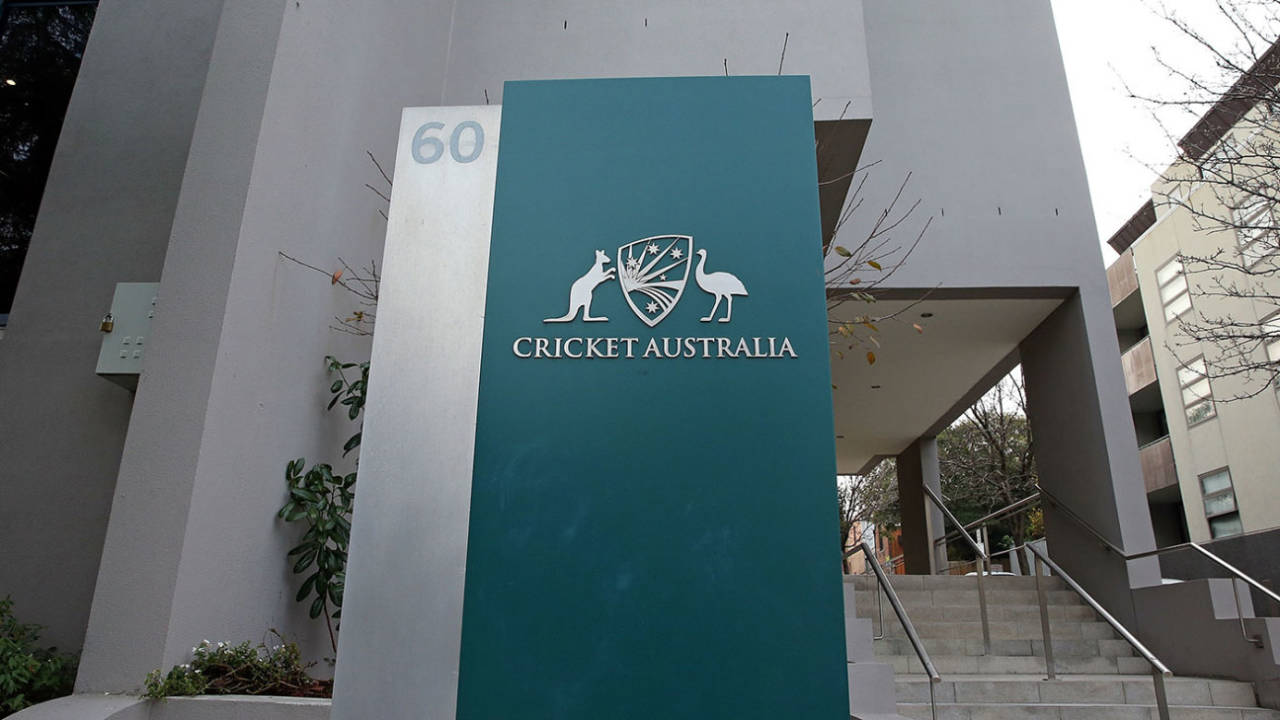
Cricket Australia (CA) has taken decisive action this week, confirming the dismissal of a senior staff member following a thorough internal investigation. The move comes after whistleblower allegations surfaced regarding the commissioning of significant contracts to a technology services provider in which the staff member held a direct, undeclared interest.
The issue was brought to light following reports earlier this month, which detailed a series of complaints against the employee. These allegations arrived during a particularly turbulent period for the organization, which has already seen 20 staff members made redundant earlier this year as part of a broader administrative restructure.
The Investigation Outcome
In response to the complaints, Cricket Australia commissioned an independent review to evaluate the validity of the claims. On Friday, the governing body released a formal statement confirming that the investigation had reached a conclusion. The statement noted that an allegation of an undeclared conflict of interest during a procurement process was indeed substantiated. Consequently, the individual involved has been removed from their position within the organization.
Navigating Financial Headwinds
This incident of misconduct occurs against a backdrop of significant financial pressure for Australian cricket. Despite record-breaking crowds for the recent Border-Gavaskar Trophy, Cricket Australia reported a loss exceeding A$11 million for the 2024-25 period. There are growing concerns within the organization that, without structural adjustments, the body could face a deficit of up to A$100 million by 2031.
These fiscal realities are driving CA’s push to bring private investment into the Big Bash League (BBL). The organization is looking to follow the model implemented by the England and Wales Cricket Board for their ‘The Hundred’ competition. However, the path to privatization is fraught with internal disagreement.
Stalemate Over BBL Privatization
The proposal to sell percentage stakes in BBL clubs has met resistance from state associations. New South Wales and Queensland have notably rejected the initial plan, with NSW suggesting an alternative strategy to self-fund the league. These states argue that the current financial outlook presented by CA is overly pessimistic and that better management of existing balance sheets could restore profitability without the need for external equity partners.
Despite the pushback, CA is moving forward with a ‘hybrid model’ for the BBL, focusing on testing the market with three specific franchises: the Melbourne Renegades, Perth Scorchers, and Hobart Hurricanes. This approach leaves the door open for other states—including Victoria—to potentially sell stakes at a later date. Industry experts warn, however, that this fragmented structure creates complex operational challenges, particularly regarding the distribution of revenue and the parity of competition between privately-owned and state-owned clubs.
The Battle for Player Remuneration
Beyond the boardroom drama, the Australian Cricketers’ Association (ACA) is currently lobbying to renegotiate the existing Memorandum of Understanding. While the agreement is technically set to run until 2028, the ACA argues it is already obsolete. The association is pushing for an increase to the players’ current 27.5% share of revenue, aiming to boost payments across the board.
This push for a blanket increase stands in contrast to the viewpoints held by some elite players, who argue that salary growth should be disproportionately allocated to top-tier international and BBL talent. Both CA and state bodies recognize that failing to increase salaries could lead to an exodus of top talent to lucrative overseas franchise leagues. As the sport looks to balance long-term financial sustainability with the need to retain its best players, the coming months will likely prove critical for the structure of Australian domestic and international cricket.