Bangladesh Government Launches Inquiry into 2026 T20 World Cup Exclusion
Contents
An Official Inquiry Begins
The Bangladesh government has officially launched an inquiry into the diplomatic and sporting decisions that resulted in the national team’s exclusion from the 2026 T20 World Cup. Following a series of events that saw the team effectively barred from the tournament held in India during February and March, the sports ministry has appointed a dedicated committee to provide clarity on the matter.
Committee Structure and Mandate
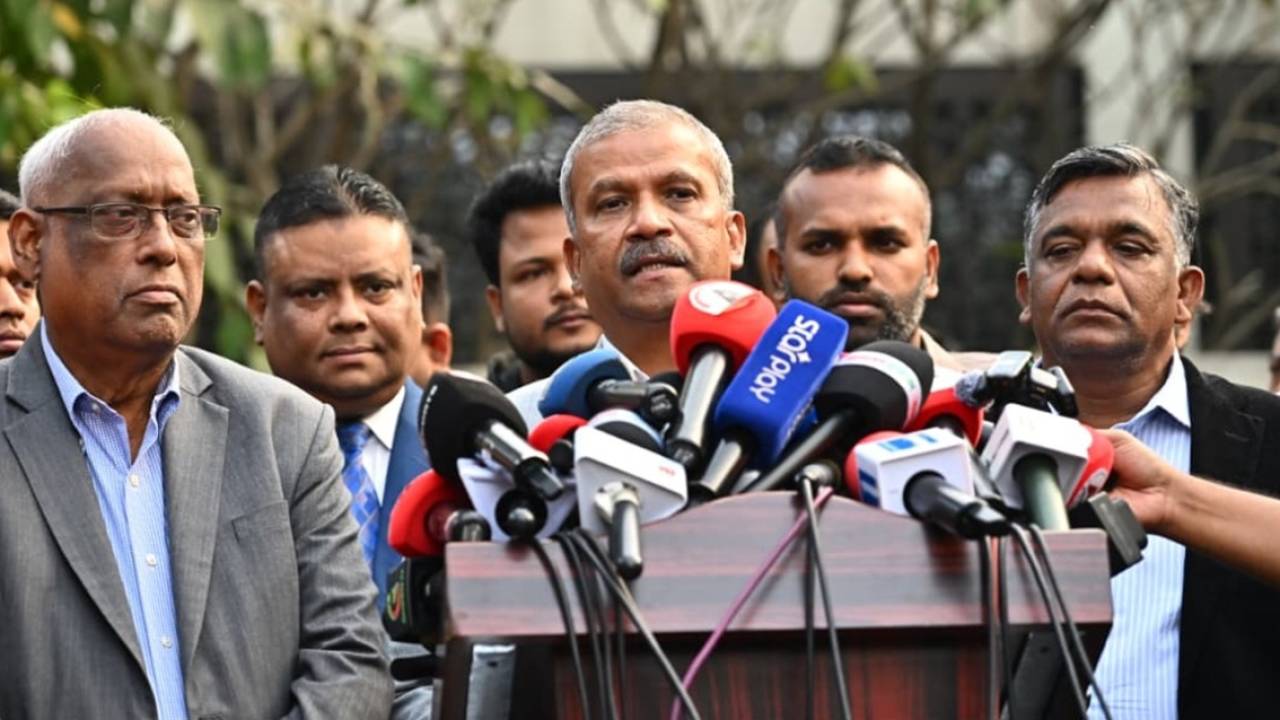
Announced on Monday, the committee will be led by Additional Secretary Dr. AKM Wali Ullah. Joining him are former Bangladesh captain and current chief selector Habibul Bashar, along with Faisal Dastagir. The trio has been tasked with conducting a comprehensive review of all factors that led to the decision not to send the national squad to the tournament. The government has set a strict timeline, requiring the committee to submit its final report within 15 working days.
The Timeline of the Fiasco
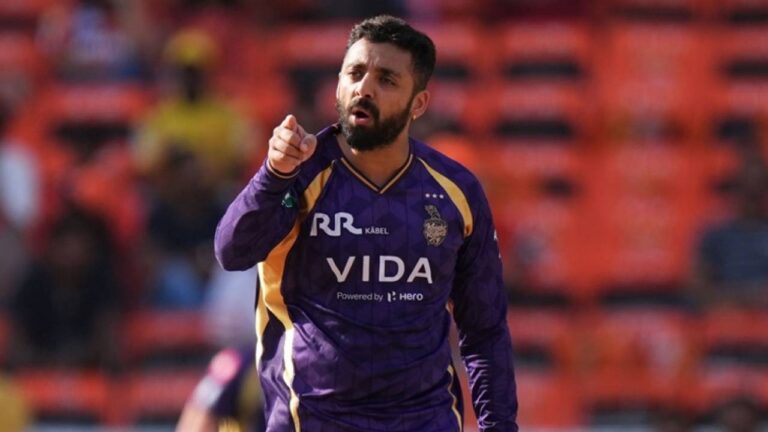
The sequence of events that ultimately cost Bangladesh their place in the World Cup began on January 3, 2026. The BCCI directed the Kolkata Knight Riders to remove Mustafizur Rahman from their IPL 2026 squad for unspecified reasons. This decision arrived at a time of heightened geopolitical tension between the Indian and Bangladeshi governments.
Within 24 hours of that development, Asif Nazrul, who served as Bangladesh’s sports adviser at the time under the interim government, took to social media to publicly question the safety of hosting Bangladesh’s World Cup matches in India. Nazrul urged the International Cricket Council (ICC) to relocate the team’s fixtures to Sri Lanka. In his official statement, Nazrul suggested that if a Bangladeshi player could not participate in the IPL due to security or political strains, the entire team could not feel safe playing in the tournament hosted by India.
Impasse with the ICC
Despite the Bangladesh Cricket Board (BCB) communicating these concerns to the ICC, the governing body maintained that there were no legitimate security grounds to justify changing the tournament venues. Even after an ICC delegation visited Bangladesh to engage in direct dialogue, no resolution could be reached. The tension culminated on January 24, when the ICC board formally rejected the request for a venue change, resulting in Bangladesh being removed from the tournament roster and subsequently replaced by Scotland.
Seeking Accountability and Repairing Relations
The narrative surrounding the decision grew increasingly complex. As the national elections approached, former adviser Asif Nazrul shifted his stance, claiming that he had not initiated the withdrawal and suggested that the responsibility rested with the players themselves. This U-turn was met with significant scrutiny within the country.
With the formation of the new government, current Sports Minister Aminul Haque has prioritized the restoration of sporting ties with India. Addressing the parliament, Haque emphasized the need for a transparent investigation into how the BCB and the previous administration handled the crisis. The appointment of the new committee represents a firm commitment to uncovering the truth behind the missteps that deprived the nation of its participation in the prestigious ICC event. As the cricket community waits for the report, the findings are expected to shed light on the intersection of government policy and professional sports management in Bangladesh.