Bangladesh Government Dissolves BCB Board Over Corruption Allegations

A New Era for Bangladesh Cricket Begins
The landscape of Bangladesh cricket has undergone a radical transformation this week. Following an exhaustive investigation led by a five-member committee headed by former justice AKM Asaduzzaman, the Bangladesh government has moved to dissolve the Bangladesh Cricket Board (BCB) board. The findings, which paint a grim picture of institutional integrity, have sent shockwaves through the sporting nation.
The Findings: Systematic Manipulation
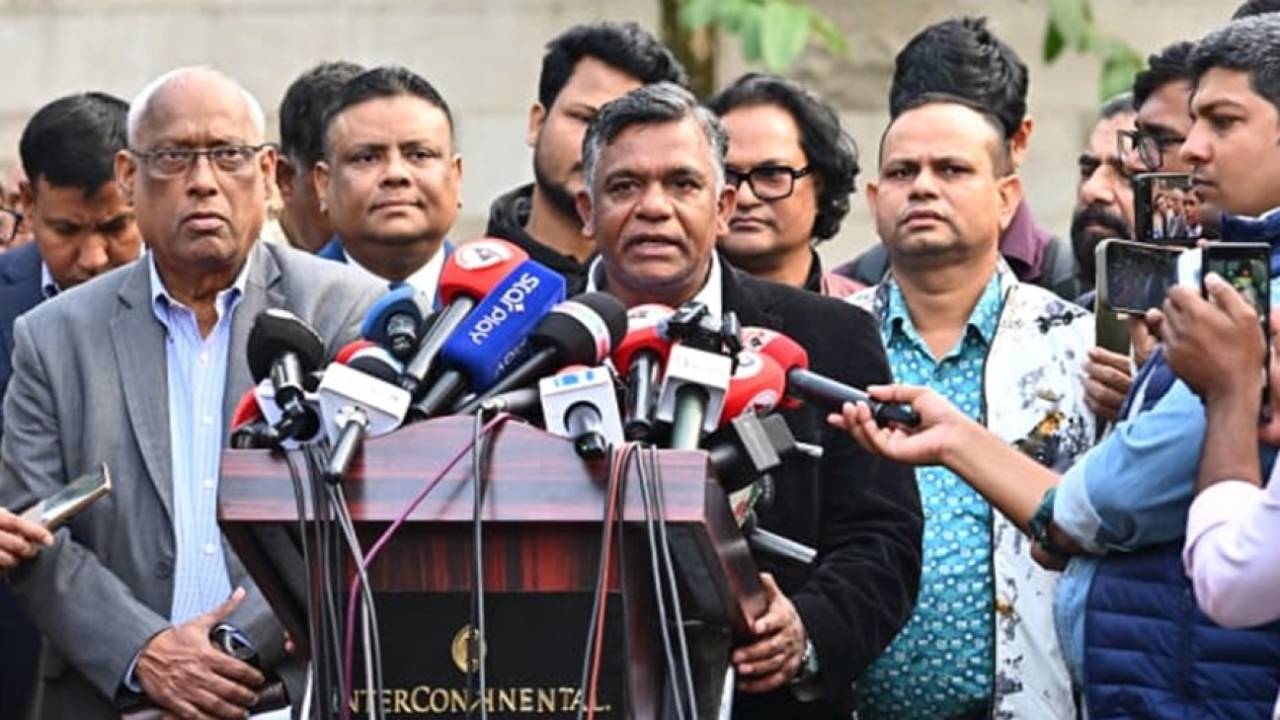
The investigation into the October 2025 elections uncovered a web of procedural irregularities. According to Mohammad Aminul Ahesan, the National Sports Council (NSC) sports director, the entire election process was marred by a lack of transparency. The committee reported that voters were intimidated and that the electoral process was manipulated to favor specific outcomes.
Central to the controversy was the suspicious extension of deadlines for submitting councillor names. The report highlighted that while an initial deadline was set for September 17, it was arbitrarily moved to September 19 and then September 22. The committee concluded that these extensions were made with ‘ulterior motives’ to replace neutral candidates with preferred individuals, effectively rigging the path to directorships.
Abuse of Power at the Helm
Former BCB president Aminul Islam and former director Nazmul Abedeen Fahim were explicitly named in the report for their roles in compromising the board’s autonomy. The investigation revealed that the duo secured their own councillorships through undue influence, a move described by Ahesan as a ‘serious abuse of power.’
Perhaps most damaging was the revelation regarding the nomination of ten former cricketers as voters. The report found that Aminul Islam acted unilaterally—and in direct violation of Article 9.3.3 of the BCB constitution—to nominate these individuals. No record of any board meeting authorizing these nominations could be produced, leading investigators to conclude that the president exceeded his legal authority to manipulate the election results.
The E-Voting Scandal
The investigation further scrutinized the e-voting system used during the elections. Voters interviewed by the committee described the process as ‘pre-planned’ and entirely lacking in confidentiality. Instead of a secure, independent voting process, the committee discovered that e-voting was conducted from a single location—the Sheraton Hotel—on the eve of the election. This gathering of voters in a controlled environment was labeled as blatant vote-rigging by the probe committee.
Tamim Iqbal Takes the Reins
As the former board is dismantled, the government has acted swiftly to ensure the continuity of cricket operations. An 11-member ad-hoc committee has been appointed to govern the BCB for the next three months. In a significant appointment, former Bangladesh captain Tamim Iqbal—who had publicly challenged Aminul’s leadership and accused him of abuse of power months before the election—has been named the new BCB president.
Moving Forward: What This Means for the Game
The dissolution of the BCB board is a clear signal that the government is seeking to restore credibility to the national governing body. For fans of Bangladesh cricket, this period of transition is both a moment of relief and a time of significant uncertainty. The incoming ad-hoc committee faces the daunting task of restoring trust among the cricketing community, reforming the electoral bylaws, and ensuring that future leadership is selected through a free and fair democratic process.
The findings serve as a stark reminder of the importance of checks and balances within sports governance. As investigations conclude and the new administration takes charge, the focus must shift toward accountability and the long-term health of the sport. Whether this intervention marks a true turning point for the BCB remains to be seen, but for now, the path toward a transparent future has been paved.