Mohammed Shami’s International Future: Agarkar’s Fitness Verdict Explained

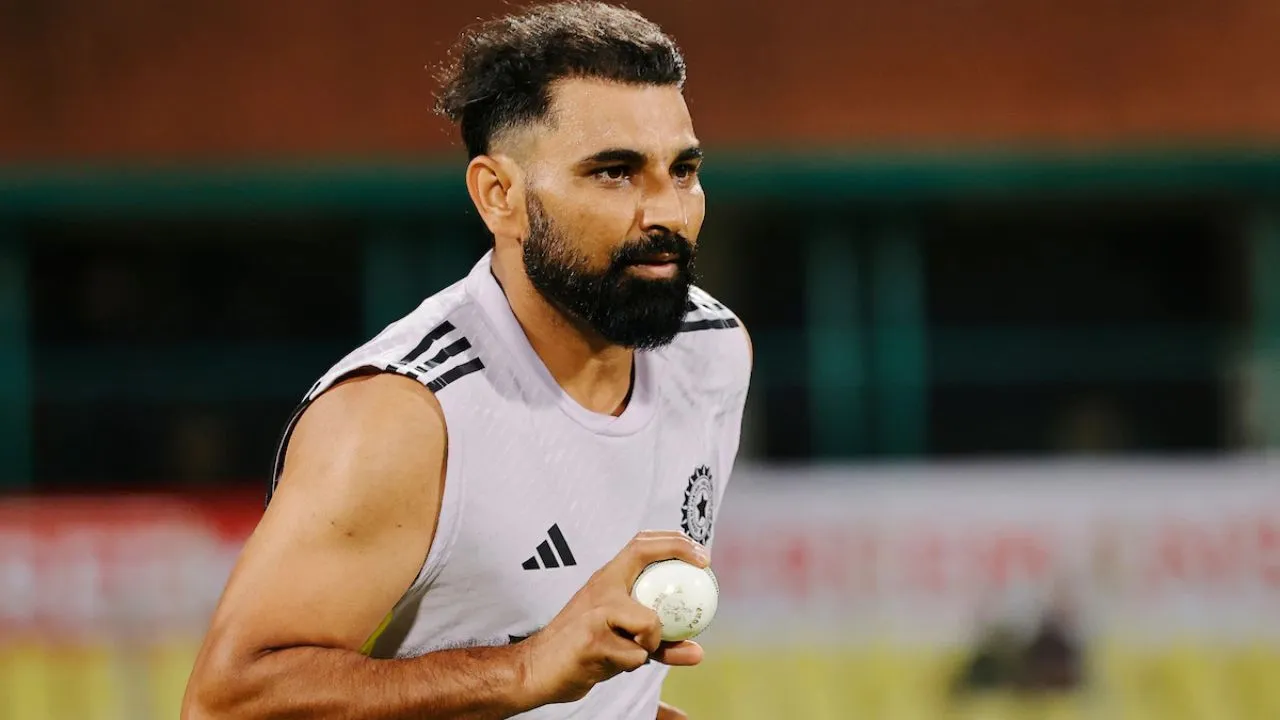
The cricketing landscape in India witnessed a pivotal announcement on Tuesday afternoon, as chief selector Ajit Agarkar, alongside Board of Control for Cricket in India (BCCI) secretary Devajit Saikia, unveiled the squads for the India National Cricket Team’s much-anticipated Test and One-Day International (ODI) series against Afghanistan. While the selections brought forth a mix of continuity and fresh faces, one name was conspicuously absent from both formats: veteran pace spearhead Mohammed Shami. His non-inclusion has sparked considerable discussion among fans and pundits alike, prompting a clear explanation from the selection committee.
Addressing the media and public, Ajit Agarkar provided direct commentary regarding Mohammed Shami’s omission. The chief selector unequivocally stated that the esteemed pacer is not deemed ready for the rigours of traditional Test cricket or the demands of the 50-over ODI format at this juncture. Instead, Agarkar clarified that Shami’s current physical condition and match fitness align only with the shorter, more explosive T20 format.
“We have been told that at this point, T20 cricket is what he is ready, so there was no discussion regarding Mohammed Shami,” chief selector Ajit Agarkar conveyed, shedding light on the committee’s decision-making process.
The Implications of Agarkar’s Candid Assessment
Agarkar’s remarks carry significant weight, particularly given Mohammed Shami’s stature in Indian cricket. Shami has been a cornerstone of India’s pace attack across all formats for over a decade, known for his ability to generate prodigious swing, seam movement, and disconcerting pace. His performances, especially in Test cricket and recent ODI World Cups, have been instrumental in many of India’s victories. The declaration that he is ‘only ready for T20 cricket’ raises immediate concerns about his long-term prospects in the formats he has historically dominated.
This assessment suggests a strategic recalibration of Shami’s role within the national setup. While T20 cricket demands intense bursts of energy and skill, Test and ODI cricket require sustained endurance, repetitive efforts, and a different kind of physical resilience. A pacer’s workload management, especially for someone of Shami’s age and experience, becomes paramount. The selectors, seemingly guided by medical and fitness reports, have opted for caution, prioritising his readiness for the shortest format where his specific skills might still be deemed invaluable without the same prolonged physical toll.
Mohammed Shami’s Illustrious Career and Recent Form
Mohammed Shami has carved out an exceptional career, becoming one of India’s most successful fast bowlers. His Test record, boasting numerous five-wicket hauls and match-winning spells, speaks volumes of his impact in the longest format. In ODIs, he has consistently been among the leading wicket-takers, often delivering crucial breakthroughs with his potent seam and swing. His memorable performance in the recent ICC Cricket World Cup showcased his enduring ability to perform at the highest level, even when initially not in the playing XI, he made an astounding comeback.
Despite these past heroics and flashes of brilliance, the physical demands of international cricket are relentless. Fast bowlers, more than any other position, are susceptible to injuries and require meticulous fitness regimes to maintain their peak. The current verdict from the chief selector indicates that Shami may be experiencing challenges in meeting the holistic fitness standards required for the multi-day and 50-over formats, potentially due to age, injury management, or a combination of factors.
The Demands of Different Formats
- Test Cricket: Requires sustained bowling over multiple spells across five days, demanding peak physical and mental endurance.
- ODI Cricket: Involves bowling up to 10 overs, often in two or three spells, coupled with fielding for extended periods, necessitating a balance of power and stamina.
- T20 Cricket: Focuses on short, high-intensity bursts of four overs, demanding explosive power and quick recovery, but less prolonged endurance compared to other formats.
The Road Ahead for the Veteran Pacer
For Mohammed Shami, this announcement marks a critical juncture. While being declared fit for T20s allows him to continue representing India in that format, his exclusion from Tests and ODIs for the Afghanistan series implies a potential shift in his international career trajectory. It raises questions about whether this is a temporary fitness concern or a more permanent re-evaluation of his role, possibly signalling the twilight of his career in the longer formats.
The Indian team management and selectors are increasingly prioritising athlete longevity and fitness, especially with a packed international calendar. Decisions like these, while tough, are often made with a view to managing key players and ensuring they are available and performing optimally in formats they are best suited for. For Shami, the immediate focus will undoubtedly be on maintaining his T20 readiness and, perhaps, working towards regaining the fitness levels required to challenge for a spot in the Test and ODI squads once more. However, Agarkar’s statement leaves little room for ambiguity, underscoring the formidable challenge ahead for one of India’s most respected fast bowlers.