IPL 2026 Playoffs Uncertainty: BCCI Addresses Calls to Reduce Venues

The IPL 2026 Playoff Dilemma
As the Indian Premier League (IPL) 2026 season reaches its thrilling crescendo, the tournament finds itself at the center of an unexpected debate. With the playoffs scheduled to commence on Tuesday, May 26, external pressure is mounting on the Board of Control for Cricket in India (BCCI) to rethink its logistical strategy. The Chamber of Trade and Industry (CTI) has formally urged the Union Sports Ministry to implement significant changes, including hosting matches behind closed doors and drastically reducing the number of host venues.
Fuel Consumption and Environmental Concerns
The primary driver behind this request is the rising cost of fuel and the broader environmental impact of the tournament. The CTI, led by chairman Brijesh Goyal, has highlighted the massive carbon footprint associated with the league. According to the organization, the extensive travel requirements of franchises—often utilizing chartered Boeing 737 and Airbus A320 aircraft—place a heavy burden on national fuel reserves.
Data cited by the trade body suggests that these aircraft consume between 2,400 and 3,000 liters of aviation turbine fuel every hour. Furthermore, individual IPL franchises are estimated to consume between 50,000 and 70,000 liters of fuel throughout the season across roughly ten flights. The CTI argues that by limiting the number of venues and moving to a closed-door format, the BCCI could save millions of liters of fuel, thereby aligning the tournament with national economic and environmental interests.
The Impact on Fan Engagement
Beyond aviation fuel, the trade body pointed to the logistics of match-day attendance. With an average of 50,000 spectators attending a single match, the influx of fans traveling to and from stadiums creates additional pressure on urban infrastructure and fuel consumption. The proposal suggests that restricting attendance or moving to a centralized, limited-venue model could alleviate this strain, citing the BCCI’s successful management of the league within bio-secure bubbles during the pandemic as a viable operational precedent.
BCCI’s Stance on Potential Changes
Despite the growing public and institutional discourse, the BCCI remains steady. IPL chairman Arun Dhumal has emphasized that the governing body acts in accordance with the directives issued by the Government of India. In a recent statement, Dhumal clarified that while independent agencies and trade bodies may express opinions, the BCCI has not received any official communication regarding a shift in tournament policy.
“So far, there has not been any communication to the BCCI to my knowledge,” Dhumal noted. “Independent agencies might have their views on certain things, but we are accountable to the Government of India. If anything comes from the government, we will look into it and certainly adhere to the directions.”
Current State of the Tournament
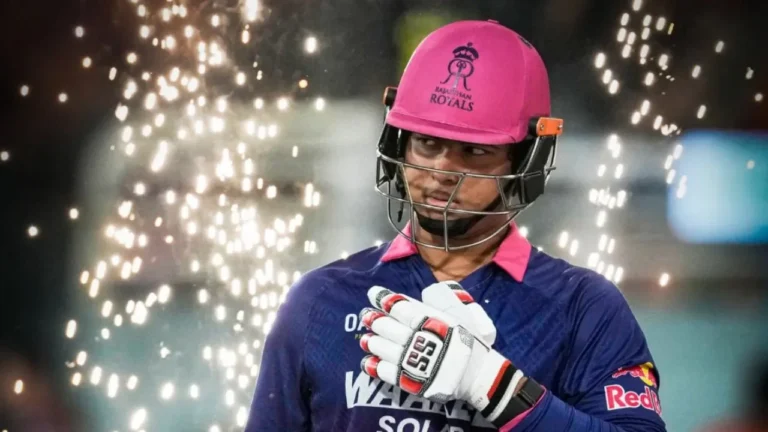
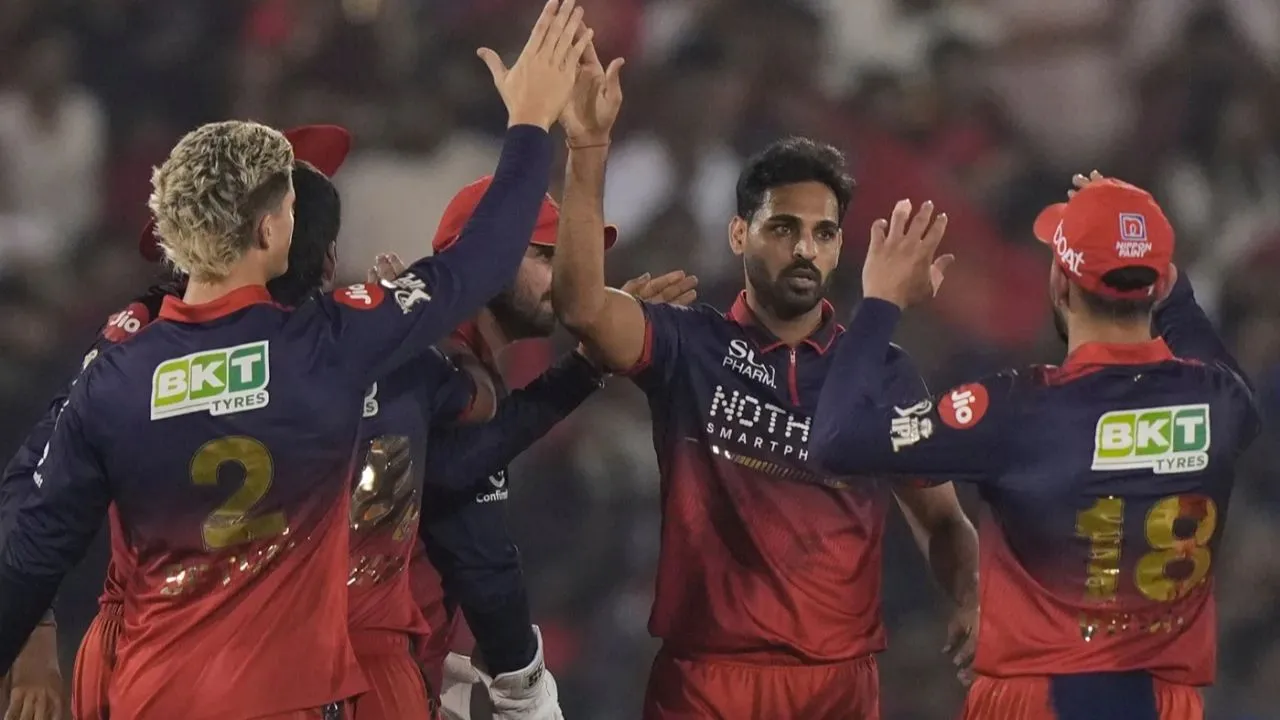
As of now, the IPL 2026 schedule remains unchanged. The defending champions, Royal Challengers Bengaluru (RCB), have already secured their path to the playoffs following a decisive victory over the Punjab Kings (PBKS). The battle for the remaining three spots remains fierce, with the Gujarat Titans (GT), Sunrisers Hyderabad (SRH), Rajasthan Royals (RR), and Chennai Super Kings (CSK) all in contention. The tournament, which began on March 28, continues to be monitored closely by the board. Cricket fans around the world are waiting to see if any further adjustments will be made as the road to the final in late May continues to unfold.
Looking Ahead
While the prospect of closed-door matches brings back memories of the pandemic era, the BCCI is clearly prioritizing the stability of its current season. Whether the government deems the CTI’s proposal necessary remains to be seen, but for now, the show goes on. The cricketing community continues to track developments closely, as the balance between professional sport and national resource management becomes an increasingly prominent topic in modern cricket administration.