Mohsin Naqvi IPL Final Attendance Rumors: Truth Behind ICC Meeting Revealed

Mohsin Naqvi Will Not Attend ICC Meeting or IPL Final in Ahmedabad
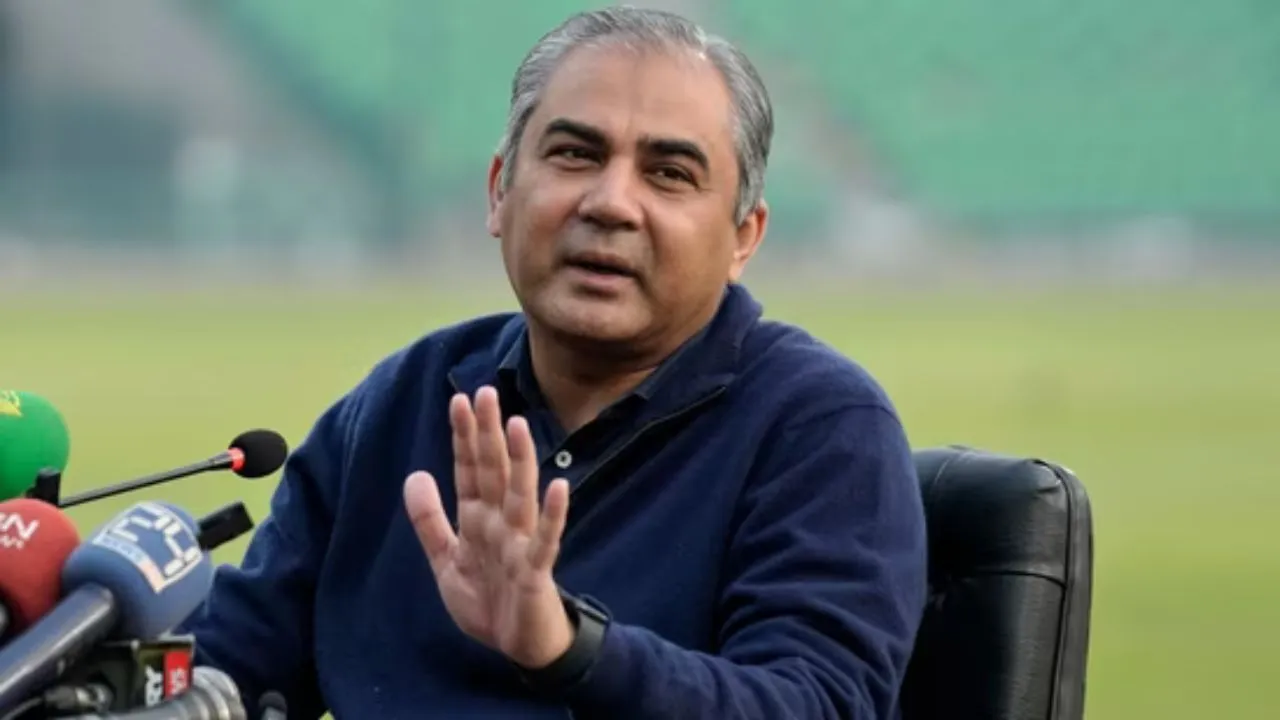
Contrary to widespread speculation, Pakistan Cricket Board (PCB) Chairman Mohsin Naqvi will not be traveling to Ahmedabad for the upcoming ICC Board meeting scheduled for May 30 and 31, nor will he attend the IPL 2026 final set to take place on the same grounds the same day.
Initial rumors, particularly in Pakistani media, suggested Naqvi might attend both events—fueling speculation about a potential breakthrough in India-Pakistan cricket diplomacy. However, these claims have now been firmly dismissed by official reports from PTI, which confirm that Naqvi has decided against making the trip.
No Personal Invitation to IPL Final
One of the key clarifications is that Naqvi was not personally invited by the Board of Control for Cricket in India (BCCI) to attend the IPL final. While all in-person attendees of the ICC Board meeting are expected to be present at the Narendra Modi Stadium for the final, attendance is tied strictly to official duties—not ceremonial or hospitality reasons.
If Naqvi participates at all, it will be virtually. The ICC has confirmed that virtual attendance via video conference remains an option for board members unable to travel. Two other ICC Board members are also expected to join the meeting remotely.
Background: The ICC Meeting’s Relocation
The ICC Board meeting was originally set for Doha, Qatar, in late March. However, geopolitical tensions linked to the USA-Iran conflict prompted the ICC to both postpone and relocate the event. Ahmedabad was ultimately chosen as the new host city, a decision that coincided with the BCCI’s own scheduling shifts.
IPL Chairman Arun Dhumal recently confirmed in an interview with RevSportz that the relocation of the ICC meeting played a role in the BCCI’s decision to move the IPL 2026 final from Bengaluru to Ahmedabad. The coordination allowed for streamlined logistics and high-level cricket administration to converge at one venue.
Geopolitics and Cricket Diplomacy
Naqvi’s decision not to travel underscores the ongoing sensitivity in India-Pakistan cricket relations. Though he played a pivotal role in brokering a three-way agreement between the PCB, BCCI, and ICC regarding mutual participation in ICC events, full bilateral series remain on hold.
Under the current arrangement, India and Pakistan will not tour each other for ICC tournaments until at least 2027. This was evident during recent events: India played all its Champions Trophy matches in Dubai last year, while Pakistan held its games in Sri Lanka during both the Women’s ODI World Cup and the Men’s T20 World Cup in India.
Key Agenda: Broadcasting Rights and Governance
The rescheduled ICC meeting will bring together ICC Board Directors, Chief Executives, Committee members, and senior leadership to discuss critical issues shaping the future of international cricket.
The primary agenda item is expected to be the renewal of global broadcasting rights. The current deal with JioStar expires in 2027, and discussions around the next media rights cycle are already gaining momentum. The ICC’s statement upon the original Doha announcement emphasized the meeting’s importance in shaping the “present and future of the global game.”
The ICC also highlighted in its earlier release that hosting the meeting in Doha was intended to recognize the growth of cricket in Qatar, noting the country’s expanding sporting infrastructure and collaboration with the Qatar Cricket Association. While the location has changed, the focus on global engagement remains.
Conclusion: Clarity Over Speculation
With Naqvi opting for virtual participation, the spotlight shifts back to the substance of the ICC meeting rather than the symbolism of attendance. While fans may have hoped for a rare high-profile interaction between Indian and Pakistani cricket officials on Indian soil, the reality remains one of cautious, structured diplomacy.
As cricket continues to navigate the intersection of sport and geopolitics, decisions like these reflect the delicate balance officials must maintain—prioritizing governance, stability, and long-term cooperation over momentary headlines.