

GT Falls Short Again: Is 220 the Ceiling?
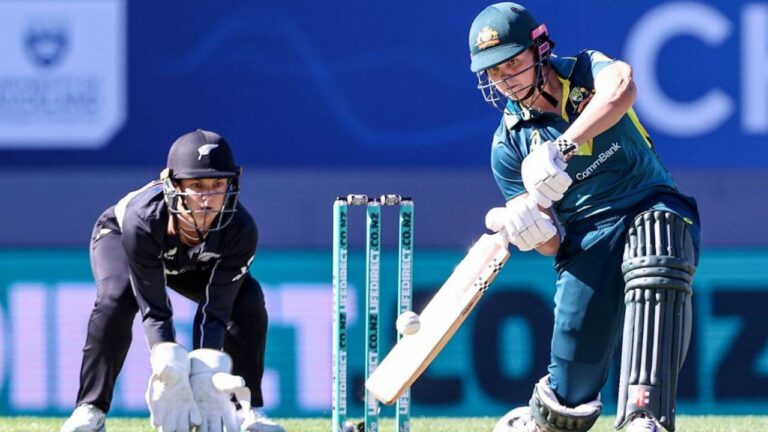
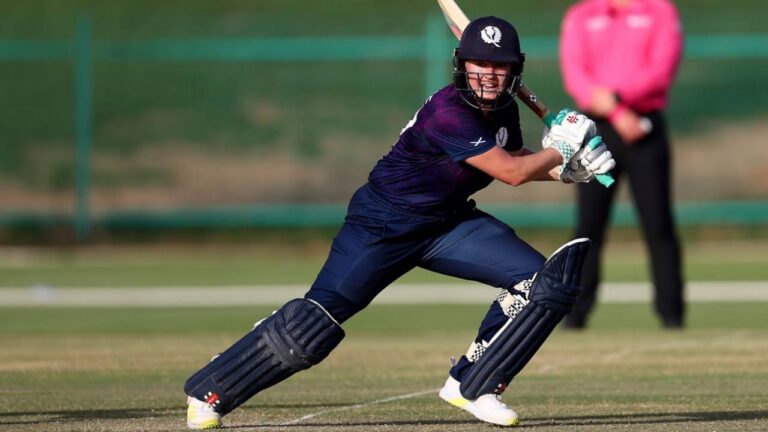
Gujarat Titans delivered a spirited batting performance at Eden Gardens, with Shubman Gill (85), B Sai Sudharsan (53*) and Jos Buttler (57) all scoring half-centuries in a high-stakes chase of 248 against Kolkata Knight Riders (KKR). Yet, despite having at least one top-order batter at the crease throughout the innings, GT finished on 219 for 4 — 29 runs short.
The result leaves them on the edge of qualification, with their fate resting entirely on their final league match against Chennai Super Kings. While the total was commendable, it has reignited debate: is 220 the upper limit of what this GT batting lineup can achieve under pressure?
Experts Question Batting Depth
Ambati Rayudu, on ESPNcricinfo’s TimeOut show, offered a blunt assessment: “This is the upper ceiling of GT’s batting.” While praising Gill’s “exceptional hitting” and acknowledging the effort from the top three, Rayudu noted that Buttler appeared preoccupied with anticipating deliveries, a stark contrast to his best form where he reacts instinctively.
He added, “They batted well, given the conditions and the kind of bowling they faced. But this score keeps recurring. And in IPL 2026, 220 often isn’t enough.”
Finishing Power Under the Spotlight
Sanjay Bangar echoed those concerns, pointing to the lack of firepower beyond the top three. Nishant Sindhu and Rahul Tewatia managed just four runs off eight balls combined against KKR — a quiet contribution when the game demanded explosive cameos.
“If GT accept that or not, that is their prerogative, but from an outside view, it does seem to be an issue,” Bangar said. “If you’re aiming for targets beyond 225, this gap will come back and hurt them.”
Bangar specifically highlighted Anuj Rawat — a player on GT’s bench with 22 IPL appearances for Royal Challengers Bengaluru between 2022 and 2025 — as a potential solution. “He can hit against both pace and spin, has experience, and has won games in that finisher role. If GT want to win this championship, they must reconsider their balance. They can’t afford to think ‘all is well’ just because they have 16 points.”
Coaching Staff Stands Firm
Parthiv Patel, GT’s batting coach, remained unfazed. Addressing the press after the match, he dismissed concerns over the team’s finishing ability. He pointed to their recent form — five wins in six matches, including successful chases — as evidence of stability.
“Washington Sundar has made fifties at the start, he’s batting through and finishing games. I don’t think we’re struggling there,” Patel said. He also defended the decision to send Sai Sudharsan in late despite his elbow injury, noting the batter’s ability to still strike boundaries upon return.
“Even after being out for so long, he hit sixes and found the ropes. He hits the ball harder than it looks. Strike rate is not an issue. He has both games — rotation and power.”
Simple Math, Big Stakes
With one game left against CSK, GT’s qualification scenario is straightforward: win, and they’re in. No other results matter. And Patel stressed that the team intends to keep things just as simple mentally.
“It’s a simple scenario for us. It is in our hands. If we win, we qualify — as simple as that,” he said. “We want to build on our strengths, reduce unforced errors — like the four dropped catches on Saturday — and not complicate things. Our plan is to keep it simple.”
But as the numbers suggest, simplicity might not be enough when the target climbs past 240. For Gujarat Titans, breaking through their perceived batting ceiling could be the difference between another near-miss and a deep playoff run.