
Arjuna Ranatunga Critiques T20 Cricket: Fast Food or Nourishing Sport?

Contents
The Evolution of a Global Phenomenon
The landscape of modern cricket has undergone a seismic shift over the last two decades. Once defined by the virtue of patience, the grind of five-day Test matches, and the tactical nuances of long-form battles, the sport has been dramatically reshaped by the arrival of the T20 format. This high-octane iteration of the game effectively flipped the traditional script, prioritizing instant gratification and aggressive intent from the very first ball.
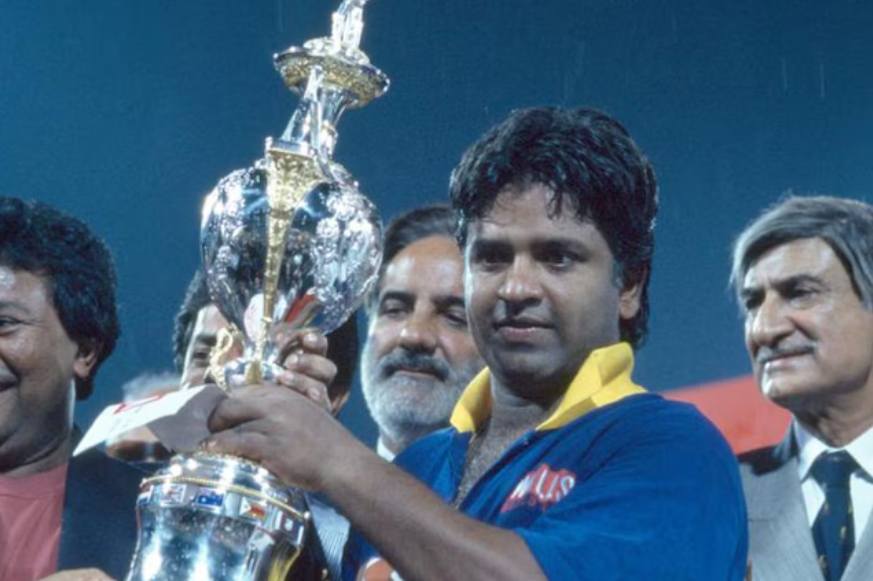
Arjuna Ranatunga captained Sri Lanka to victory in the 1996 Cricket World Cup. (Credits: ICC/Twitter)
It is undeniable that T20 cricket fits seamlessly into the fast-paced lifestyle of the 21st century. For fans who may not have the luxury of dedicating entire days to watching a match, the three-hour spectacle of a T20 contest offers a perfect bite-sized dose of entertainment. This accessibility has fueled a massive surge in global popularity, creating a vibrant franchise culture where supporters form deep, emotional bonds with diverse rosters of international stars.
The Double-Edged Sword of Financial Success
From a commercial standpoint, the rise of T20 has been nothing short of transformative. Cricket boards have seen record-breaking revenues, and players have gained access to life-changing career opportunities. Furthermore, the explosion of franchise leagues has acted as a catalyst for talent development, allowing players from smaller cricketing nations to showcase their skills on a global stage.
However, this rapid commercial success has brought with it a growing concern. As the game pivots increasingly toward entertainment, there is a legitimate fear that the core principles of the sport are being overshadowed. The question remains: at what cost does this entertainment come?
The Fast Food Metaphor
Arjuna Ranatunga, the legendary captain who led Sri Lanka to their historic 1996 World Cup victory, recently provided a poignant analogy regarding the current state of cricket. He famously stated, “T20 cricket is like fast food—attractive, enjoyable, but not very healthy. Test cricket is like a home-cooked meal prepared with love by a mother—wholesome, nourishing, and beneficial in the long run.”
This comparison resonates deeply with purists. In the current T20 era, batters often approach the crease with a singular goal: to attack every delivery. Conversely, bowlers are frequently placed in positions where they are merely trying to survive rather than actively dominate. With the prevalence of flat pitches, short boundaries, and an emphasis on high-scoring encounters, the balance of the game has shifted significantly in favor of the batter.
The Loss of Patience
Perhaps the most significant casualty of this shift is the virtue of patience. In Test cricket, a bowler must labor over long spells, employing strategy, endurance, and mental toughness to earn a wicket. This tactical dance is absent in the frenetic world of T20. As the game speeds up, both players and audiences are losing the capacity for sustained focus. When the action slows down for even a few overs, there is often a palpable decline in fan engagement.
Why Test Cricket Must Endure
- Character Building: The format tests a player’s resolve over five days, separating the truly elite from the merely talented.
- Strategic Depth: It requires complex planning, field placements, and psychological warfare that cannot be replicated in a shorter format.
- The Ultimate Test: Physical and mental endurance remain the hallmarks of the long game, providing a depth of narrative that quick-fix formats simply cannot match.
Finding the Balance
It would be shortsighted to dismiss the value of T20 cricket entirely. It has brought millions of new fans into the fold and provided the financial foundation upon which the modern game rests. However, Ranatunga’s warning serves as a crucial reminder to administrators and fans alike: cricket must not allow itself to become exclusively about noise, speed, and manufactured entertainment. If the sport is to remain healthy for generations to come, it must preserve the wholesome, nourishing foundations that Test cricket provides, ensuring that the soul of the game survives the modern age.