Sanjay Manjrekar Slams KL Rahul’s ‘Death Warrant’ Innings vs CSK

The Brutal Reality of T20 Openers
In the high-octane world of modern T20 cricket, the powerplay is no longer just about survival; it is about setting a tone that the opposition finds nearly impossible to recover from. Former Indian batter and seasoned commentator Sanjay Manjrekar did not mince his words after witnessing Delhi Capitals’ dismal performance against Chennai Super Kings on Tuesday, May 5. At the heart of his criticism was KL Rahul, whose slow start effectively took the wind out of Delhi’s sails.
The ‘Death Warrant’ Comment
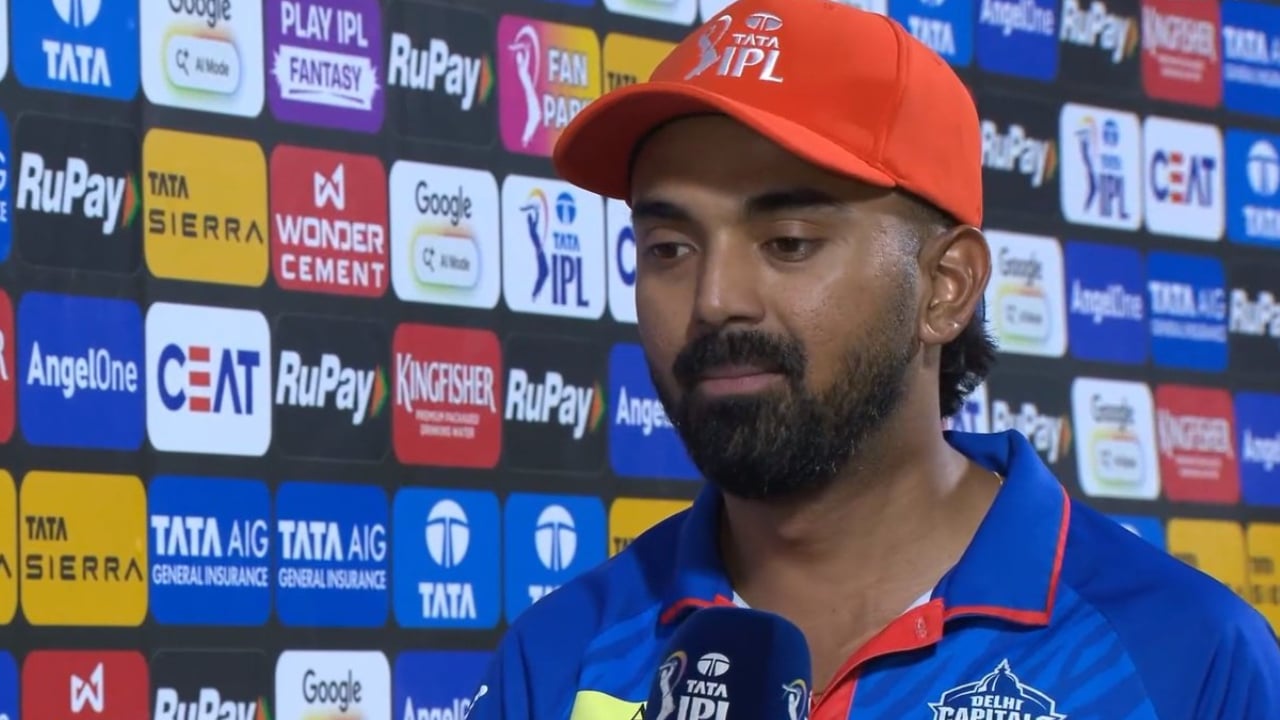
Despite winning the toss and opting to bat first at home, Delhi Capitals struggled to find momentum. KL Rahul, alongside opening partner Pathum Nissanka, failed to capitalize on the early overs. Manjrekar, taking to his official Instagram, was particularly harsh regarding Rahul’s contribution of 12 runs from 13 balls. “Once you get out after getting to 12 off 12, you’ve signed the death warrant for your team,” Manjrekar declared. The analyst emphasized that in an era where powerplay strike rates frequently hover around the 200 mark, a strike rate of 100 for an opener is simply unacceptable.
A Tactical Failure at the Top
The match, held in Delhi, saw the pitch offer significant turn, benefiting CSK bowlers like Akeal Hosein and Noor Ahmad. However, Manjrekar argues that the pitch was not the only culprit. The lack of aggression in the first six overs put immense pressure on the middle order. Delhi found themselves reeling at 69/5 by the eleventh over, forcing Sameer Rizvi to play a damage-control innings. While Rizvi managed an unbeaten 40 to push the total to 156, it was never going to be enough against a composed CSK side led by Sanju Samson’s match-winning 87 not out.
Examining the Captaincy and Strategy
Manjrekar’s critique extended beyond Rahul. He also questioned the leadership decisions of DC skipper Axar Patel. The former batter expressed frustration over Patel promoting himself up the batting order, suggesting that more explosive hitters like David Miller, Ashutosh Sharma, and Sameer Rizvi were being wasted by being pushed further down the lineup. This constant shuffling, combined with lackluster starts, has left the franchise in a precarious position for the remainder of the season.
The Paradox of KL Rahul’s Form
It is important to view this critique within the context of Rahul’s overall season. Despite the “death warrant” performance against Chennai, Rahul remains the Orange Cap holder. With 445 runs in 10 matches, an average of 49.44, and a strike rate of 180.89, his statistical output remains impressive. However, Manjrekar’s point highlights a fundamental shift in expectations for top-order batters: consistency is no longer just about runs; it is about the speed at which those runs are scored.
Conclusion: What Lies Ahead for DC?
The loss to Chennai Super Kings highlights deeper systemic issues within the Delhi Capitals camp. With reports of internal ownership struggles between GMR and other stakeholders regarding franchise control, the pressure is mounting both on and off the field. As the tournament progresses, the Capitals will need more than just individual brilliance from their Orange Cap holder; they require a coherent powerplay strategy that allows them to keep pace with the modern demands of the IPL. Whether Rahul adjusts his approach or continues to prioritize anchoring remains the biggest talking point of the Delhi campaign.