IPL 2026 Playoffs: Ahmedabad Replaces Bengaluru as Final Host

- Major Venue Shake-Up for IPL 2026 Playoffs Final: Ahmedabad Steps Up
- The Controversial Shift: Bengaluru’s Loss, Ahmedabad’s Gain
- New Playoff Landscape: Dharamsala and Mullanpur Secure Key Matches
- Ahmedabad: A Fitting Stage for the Grand Finale?
- Bengaluru’s Missed Opportunity and the Fan Impact
- A Look at the Other Key Venues and Their Significance
- Implications for Teams and Tournament Dynamics
Major Venue Shake-Up for IPL 2026 Playoffs Final: Ahmedabad Steps Up
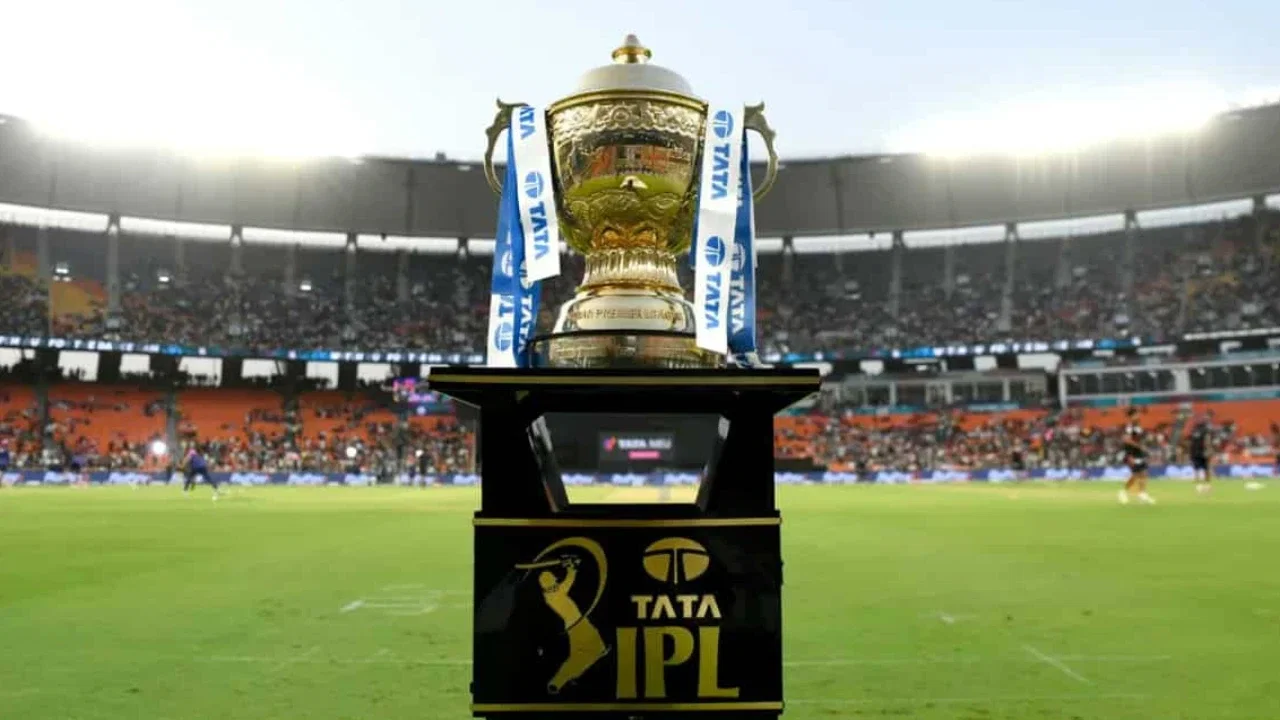
In a significant development that has sent ripples across the cricketing world, the Board of Control for Cricket in India (BCCI) has reportedly finalized the venues for the crucial playoff stage of the Indian Premier League (IPL) 2026. The biggest headline from this update is the confirmation that the highly coveted IPL 2026 final will now be played at the majestic Narendra Modi Stadium in Ahmedabad, a decision that sees Bengaluru’s M. Chinnaswamy Stadium replaced as the host for the championship decider. This unforeseen change marks a dramatic shift in the tournament’s climax, setting the stage for an intriguing end to the season.
The news, initially reported by a Jagran News journalist, cites a critical ‘ticket controversy’ as the primary reason for Bengaluru losing the rights to host the final. This unexpected turn of events means that even if the defending champions, Royal Challengers Bengaluru (RCB), manage to navigate their way through the intense playoff battles, they will not have the advantage of playing the IPL 2026 final on their home turf. The implications of this decision are far-reaching, affecting not just the teams but also the passionate fan bases eagerly awaiting the knockout stages.
The Controversial Shift: Bengaluru’s Loss, Ahmedabad’s Gain
The decision to relocate the IPL 2026 final from Bengaluru has been attributed specifically to a ticket controversy involving Members of the Legislative Assembly (MLAs). While the full details of this controversy have not been officially disclosed, its impact has been profound enough to necessitate a last-minute change in one of the most prestigious sporting events globally. Bengaluru’s M. Chinnaswamy Stadium, known for its vibrant atmosphere and passionate crowd, will undoubtedly be missed as a host for the final, leaving many local fans disappointed.
Ahmedabad, on the other hand, with its state-of-the-art Narendra Modi Stadium, stands ready to embrace the challenge. This stadium, boasting the largest cricket seating capacity in the world, offers a grand stage befitting an IPL final. Its modern facilities and immense scale promise a spectacular event, even if the circumstances of its selection are rooted in controversy. The shift highlights the BCCI’s commitment to ensuring smooth execution of the tournament, even if it means making tough decisions.
New Playoff Landscape: Dharamsala and Mullanpur Secure Key Matches
Beyond the final, the updated playoff schedule reveals other significant venue allocations. According to the latest plan, the Qualifier 1 match, which pits the top two teams from the league stage against each other for a direct spot in the final, is set to take place in the picturesque city of Dharamsala. The Himachal Pradesh Cricket Association (HPCA) Stadium, with its breathtaking mountainous backdrop, offers a unique and visually stunning setting for such a high-stakes encounter.
Following this, both the Eliminator and Qualifier 2 matches are slated to be played in Mullanpur. This choice brings the intense action to the Maharaja Yadavindra Singh International Cricket Stadium, which serves as the new home ground for the Punjab Kings (PBKS). Hosting two critical knockout games—the Eliminator, where the third and fourth-placed teams battle to stay alive, and Qualifier 2, where the loser of Qualifier 1 faces the winner of the Eliminator—will be a significant event for the region and a testament to the growing infrastructure of Indian cricket.
Ahmedabad: A Fitting Stage for the Grand Finale?
The Narendra Modi Stadium in Ahmedabad is not just any venue; it is a cricketing colossus. With a seating capacity exceeding 132,000, it offers an unparalleled atmosphere for major events. Having hosted numerous international matches and significant IPL fixtures in the past, the stadium is well-equipped to handle the immense logistical and crowd management challenges associated with an IPL final. Its modern amenities, excellent pitch, and robust infrastructure make it a truly world-class facility, capable of delivering a memorable conclusion to the IPL 2026 season. The city of Ahmedabad, known for its rich cultural heritage and fervent sports following, will undoubtedly rise to the occasion, promising a grand spectacle for cricket enthusiasts globally.
Bengaluru’s Missed Opportunity and the Fan Impact
The M. Chinnaswamy Stadium in Bengaluru has long been a fortress for RCB and a beloved venue for cricket fans. Its central location, electrifying crowd, and reputation for high-scoring encounters make it a quintessential IPL ground. The disappointment among RCB fans, who had hoped to witness their team potentially lift the trophy at home, will be palpable. Such a last-minute venue change due to administrative issues can indeed dampen spirits, reminding stakeholders of the intricate balance required to host major tournaments successfully. The stadium has a rich history of hosting memorable IPL playoffs and finals, and its absence from the ultimate match will be keenly felt.
A Look at the Other Key Venues and Their Significance
The HPCA Stadium in Dharamsala, nestled amidst the Himalayas, offers one of the most scenic cricket venues in the world. Its unique geographical location often presents challenges with weather but also provides a distinct advantage with cooler temperatures and a beautiful setting. Hosting Qualifier 1 here will add a unique flavour to the playoff stage, providing players and fans alike with a refreshing experience.
Mullanpur’s Maharaja Yadavindra Singh International Cricket Stadium, a relatively newer venue, represents the expansion of cricket infrastructure in India. As the home ground for Punjab Kings, it provides a crucial platform for cricket in the northern region. Hosting both the Eliminator and Qualifier 2 underlines its growing importance and capability to manage high-profile matches. This move could also offer a psychological boost to PBKS if they qualify for the playoffs, although the home advantage can sometimes be a double-edged sword under pressure.
Implications for Teams and Tournament Dynamics
Venue changes, especially at such a critical juncture, can have subtle yet significant impacts on team dynamics and strategies. Teams often plan their season with an eye on potential playoff venues, considering pitch conditions, crowd support, and logistical advantages. The sudden shift for the final might require teams to adapt quickly, especially those who might have prepared specific strategies anticipating Bengaluru’s conditions. For RCB, the emotional impact of not playing a potential home final could also be a factor, requiring mental resilience from the squad. Ultimately, the best teams are those that can adapt to changing circumstances, and the IPL 2026 playoffs will be a true test of that adaptability.
As the league stage progresses towards its exciting conclusion, all eyes will now turn to Ahmedabad, Dharamsala, and Mullanpur, eagerly anticipating the thrilling encounters that will decide the ultimate champions of IPL 2026. The playoff stage promises to be as unpredictable and exhilarating as ever, with this latest venue revelation adding another layer of intrigue to India’s premier T20 tournament.