‘Her rough phase is gone’ – Harmanpreet pleased with Ghosh’s return to form

- The Significance of Richa Ghosh’s Timely Resurgence
- Analyzing Ghosh’s Slump and Heroic Warm-Up Knock
- Harmanpreet Kaur’s Reaction and Practice-Net Transformation
- Embracing Lessons from Recent Setbacks
- Pakistan’s Camp: Injury Scare and Structural Preparation
- The Wahab Riaz Influence and Aggressive Blueprint
- Historical Context and Pressure Management
The Significance of Richa Ghosh’s Timely Resurgence
The stage is set for another high-octane edition of the ICC Women’s T20 World Cup, and the excitement is palpable as traditional rivals India and Pakistan prepare to square off. For the Indian camp, the lead-up to this prestigious tournament has been filled with tactical adjustments, rigorous training, and a search for individual fluency. One of the biggest talking points heading into the tournament opener has been the form of dynamic young wicketkeeper-batter Richa Ghosh. Fortunately for India, a timely return to form in the warm-up fixture has brought smiles back to the dressing room.
Analyzing Ghosh’s Slump and Heroic Warm-Up Knock
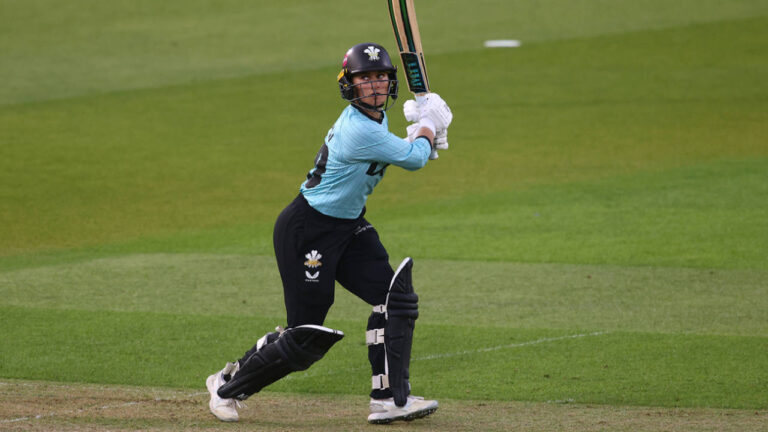
Richa Ghosh has long been regarded as one of the most destructive middle-order batters in the women’s game. However, her journey over the last few months has been a mixture of high-impact performances and worrying droughts. During India’s tour of South Africa in April, Ghosh showcased her immense capabilities, accumulating 85 runs across the five-match series at an impressive average of 42.50 and an explosive strike rate of 157.40. However, consistency proved elusive in the subsequent bilateral series against England. During India’s 2-1 series defeat to the English side, Ghosh struggled to find her rhythm, managing just 18 runs across three innings.
The sudden dip in form raised concerns about her readiness for the World Cup. Fortunately, Wednesday’s warm-up clash against England provided the perfect stage for her redemption. Coming in under pressure, Ghosh played a sensational knock of 68 runs off just 36 deliveries. Although India fell agonizingly short, losing by a mere five runs after being bowled out on the penultimate ball, Ghosh’s lone-hand effort was the clear silver lining. Tellingly, no other Indian batter managed to cross the 18-run mark in that fixture.
Harmanpreet Kaur’s Reaction and Practice-Net Transformation
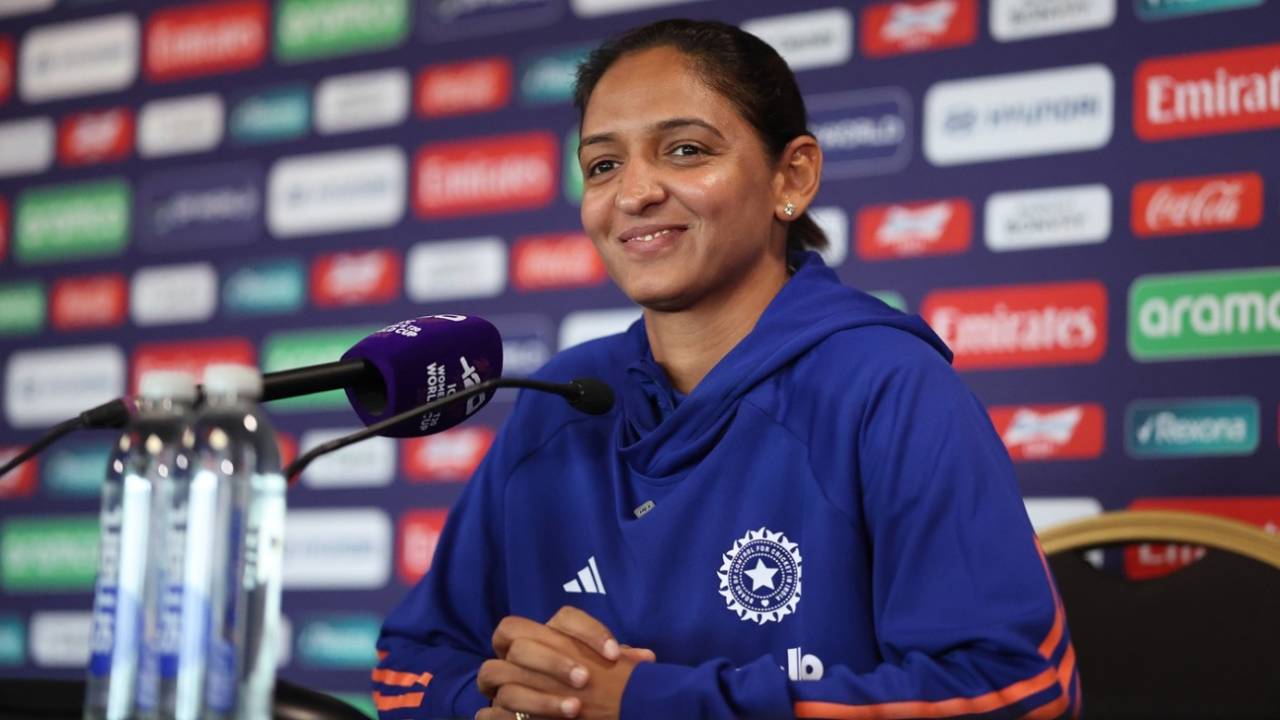
This spectacular performance has completely rejuvenated the mood within the camp. Speaking on the eve of the tournament opener against Pakistan, skipper Harmanpreet Kaur could not hide her satisfaction.
“We were waiting for Richa to get that confidence back,” Harmanpreet remarked. “She’s a key player, a game-changer for us, and we are all very happy that now she’s back in form and confident again.”
Kaur further revealed how a single innings can dramatically alter a player’s mindset and body language, noting a stark difference in Ghosh’s subsequent practice sessions.
“She’s looking really well after that game, even in the nets. One good innings always gives you a lot of confidence, and we have seen that the moment she got those runs she looks like a completely different player in the nets… I think that her rough phase is gone.”
Embracing Lessons from Recent Setbacks
Beyond individual form, Harmanpreet believes the entire Indian team is peaking at the correct moment. The squad has spent a significant amount of time adapting to challenging English conditions, which has helped them build resilience. Kaur emphasized that the team’s recent defeats have actually served as vital stepping stones for growth.
“You can’t just go with a fixed plan; you have to be very flexible with a lot of things. I think that is the key point we have learned so far and hopefully will use in this major tournament,” she explained.
Kaur candidly noted that continuous success can sometimes mask structural weaknesses, whereas failure forces deep introspection.
“I personally feel that when things are always going well, sometimes you don’t know which areas you need to improve in as a team, but when you lose, you learn a lot. That’s what the last one-and-half-months has shown, lots of things, lots of scope for improvement. That’s what we have been discussing in team meetings and trying to apply ourselves on the field — how we can do better in that area, how to improve ourselves and bring that onto the field. And I think those losses have given a lot of learning and hopefully we’ll use that experience for this tournament.”
Pakistan’s Camp: Injury Scare and Structural Preparation
While India boasts a fully fit squad to choose from, their opponents Pakistan faced a brief moment of panic on the eve of the match. Newly appointed captain Fatima Sana sent a scare through her camp when she was struck on the knee while bowling in the nets, hit by a firm straight drive from teammate Ayesha Zafar. Fortunately, Sana quickly downplayed any serious injury concerns, expressing optimism about her availability for the blockbuster Sunday clash.
“I think it is good now,” Sana assured. “We all are ready and we know what the conditions are because we are here since almost two weeks because we played the series against Ireland as well in Ireland. We just need to execute better plans and we need to be more calm.”
Pakistan’s recent form, however, suggests they have work to do. They lost their two completed matches in the Dublin tri-series against the West Indies and Ireland. Additionally, they suffered a 2-1 T20I series defeat against Ireland last year, followed by another 2-1 series loss in South Africa in February.
The Wahab Riaz Influence and Aggressive Blueprint
To counter these past setbacks, Pakistan has adopted a highly aggressive batting philosophy. Fatima Sana revealed that the team is working diligently on a dominant batting style, heavily aided by their head coach, former Pakistan left-arm fast bowler Wahab Riaz. Riaz has been actively involved in preparing the batters for high pace and bounce, even rolling back the years to bowl to them himself.
“We’ve seen in T20 a dominating scene is going on, so the attempt is that the more you dominate the bowlers the easier it will be,” Sana said. “The effort for all batters is to play attacking, no matter if it is the start, middle overs or end because the more aggressively you play the more the opposing team goes under pressure.”
She added regarding Riaz’s hands-on approach: “Where pace is needed, he himself also bowls to try to increase pace. When you work with an ex‑cricketer there is a lot of game awareness shared and it is going quite well.”
Historical Context and Pressure Management
Historically, India has heavily dominated this fixture, winning 13 out of their 16 T20I encounters against Pakistan. Pakistan’s rare victories are few and far between, with their last triumph coming during the 2022 Asia Cup. Acknowledging the historic rivalry and the intense media spotlight, Sana stated her team wants to keep things simple: “The game is hyped already, so we just want to play a normal game and the execution is very important at that match, we will try to execute better plans.”
On the other side, Harmanpreet Kaur embraced the pressure that naturally accompanies an India-Pakistan clash.
“I won’t say there’s no pressure – there is pressure,” Kaur admitted. “Since I started watching cricket, as a supporter I have felt that pressure, and now that we play it’s even more. But at the same time we always say that the more we enjoy this game the better it is for us, because we are the lucky ones who are picked for this big occasion and we just want to enjoy ourselves on the field. More than anything, it is another game we are going to play tomorrow and we just want to play our best cricket.”