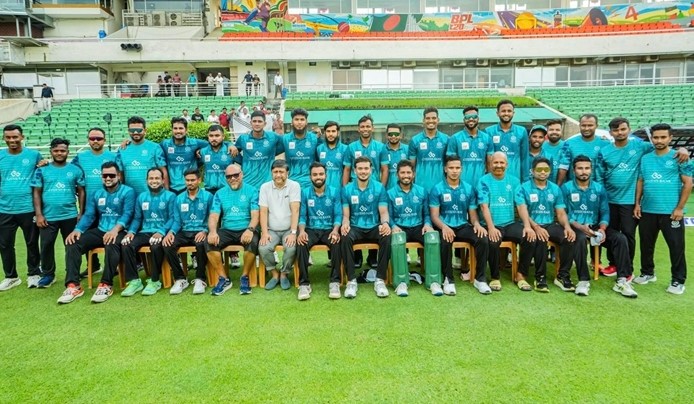
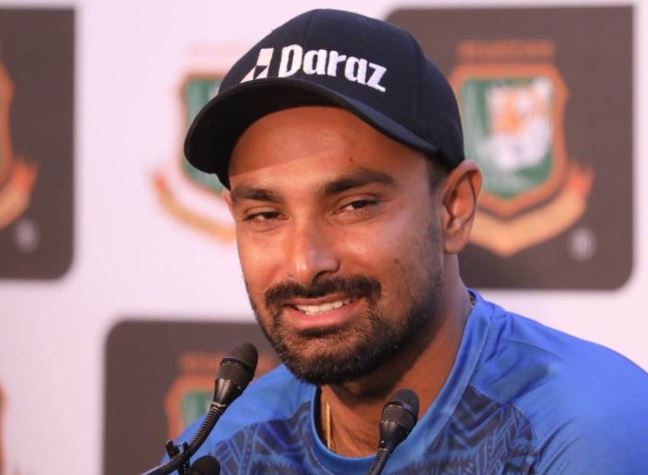
Litton Das shares untold details about Bangladesh missing T20 World Cup

The Inside Story of a Cricket Controversy
The absence of the Bangladesh national team from the 2026 T20 World Cup remains a deeply divisive chapter in the country’s sporting history. While official channels cited security concerns as the primary justification for the withdrawal, the narrative behind the scenes was far more complex. Recently, Litton Das shares untold details about Bangladesh missing T20 World Cup, offering a perspective that suggests the players’ voices were largely sidelined during the critical decision-making window.
The Illusion of Consultation
When the Bangladesh Cricket Board (BCB) faced the prospect of participating in the tournament hosted in India, internal discussions became heated. Efforts to relocate Bangladesh’s matches to a neutral venue like Sri Lanka were unsuccessful, ultimately resulting in Scotland being granted the spot. At the heart of this geopolitical sporting standoff was Dr. Asif Nazrul, then Youth and Sports Adviser, who spearheaded the negotiations with the ICC.
Litton Das, the current T20 captain, recently opened up to the Bangladeshi daily Prothom Alo regarding the meetings held with the team. According to Das, the engagement felt performative rather than collaborative. He noted that the players were essentially invited to a meeting that served as a public relations exercise rather than a genuine strategic consultation. Describing the atmosphere, Das remarked with a laugh that the session felt like a formality designed to signal to the media that the players had been heard, while in reality, it involved little more than sitting in an air-conditioned room and enjoying tea.
The Players’ Perspective on Security
The core justification provided by the officials centered on security risks within the host country. However, the players found these arguments difficult to reconcile with their professional experiences. Das highlighted the team’s history of playing in high-security environments, specifically referencing their time in Pakistan, where the security apparatus was intense, involving armed guards stationed directly outside their hotel rooms. The contrast between that experience and the concerns raised regarding India left the players puzzled.
Das stated clearly that the players’ mandate was simple: they wanted to play. By his account, the squad emphasized that they were professionals focused solely on the game. Despite this, the decision to withdraw was finalized by administrative officials rather than those on the field. Das noted that the players had limited leverage, questioning how they could have pushed back further against a decision that had seemingly already been solidified by the leadership.
Reflecting on Accountability
The narrative took another turn when former adviser Asif Nazrul suggested that the players were complicit in the withdrawal because they failed to vocally demand their participation. When presented with these claims, Das maintained his composure, choosing to address the criticism with a touch of irony. Upon learning that Nazrul was no longer in his former position, Das remarked that it is often easy for officials to make bold claims once they are no longer constrained by the responsibilities of office.
This testimony from the captain highlights a significant disconnect between the administrative hierarchy of Bangladesh cricket and the athletes tasked with representing the nation. As the dust settles on this controversial period, the insights provided by Das serve as a reminder of the importance of clear communication and the inclusion of athletes in decisions that directly impact their professional careers and the pride of their nation.
Looking Ahead
The fallout from the 2026 T20 World Cup saga continues to be a subject of debate among fans and analysts alike. By highlighting the lack of transparency, Litton Das has ignited a broader conversation about how the BCB operates and how players can be better empowered in the future. Whether this will lead to a change in policy remains to be seen, but for now, the cricket community in Bangladesh remains focused on ensuring that their team’s future on the international stage is defined by performances on the pitch rather than boardroom decisions.