
Introduction to the BBL Privatisation Crisis
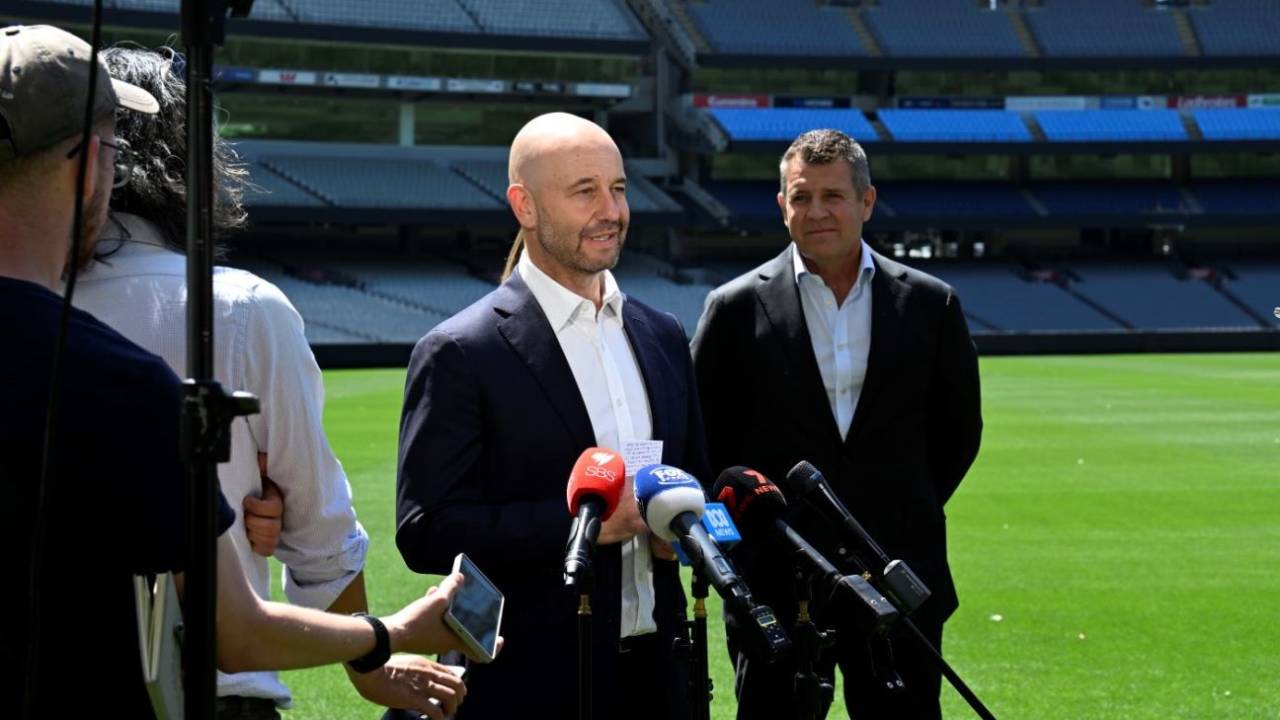
The landscape of the Big Bash League (BBL) has been thrown into administrative turbulence following an unexpected announcement from Cricket Victoria regarding its plans for the Melbourne Stars and Melbourne Renegades. In response to the growing unease across state boards, Cricket Australia (CA) chief executive Todd Greenberg has stepped in to manage the fallout. The CA boss seeks to calm tensions after Victoria’s ‘not ideal’ BBL move, which has forced crisis talks ahead of next week’s crucial meetings.
The Catalyst: Victoria’s Mergers and Privatisation Ambitions
On Tuesday, Cricket Victoria revealed a dramatic proposal that caught the rest of the Australian cricket community off guard. The state association announced intentions to merge the administrative operations of its two marquee BBL franchises—the Melbourne Stars and the Melbourne Renegades—under a single, unified brand with new colors for the upcoming season. Crucially, this consolidation would allow Victoria to sell off its second BBL license at 100% capacity to a private investor, pending approval from Cricket Australia.
This sudden revelation ignited immediate concern and chaos across the domestic cricket landscape. The Australian Cricketers’ Association (ACA) and several other state boards expressed deep reservations about the timing and unilateral nature of Victoria’s announcement. The move was made public before CA could finalize and confirm the next phase of its hybrid privatisation model, which was scheduled for discussion at state executive and chair meetings in Melbourne over the coming weeks.
An Exclusive Thursday Call: Excluding Victoria to Align the States
In response to the growing panic, New South Wales (NSW), Queensland, and South Australia pushed CA for an urgent meeting. This resulted in a hastily arranged conference call on Thursday afternoon. Notably, Cricket Victoria’s CEO Nick Cummins and chair Ross Hepburn were excluded from the invitation list, allowing the remaining state leaders to air their grievances and align their positions directly with CA leadership.
During this high-stakes discussion, representatives from NSW, Queensland, South Australia, Western Australia, and Tasmania voiced their frustrations to CA CEO Todd Greenberg and CA chair Mike Baird. Reports indicate that Cummins had previously sent an email to his peer CEOs in other states in an attempt to mend fences and explain Victoria’s rationale, but the premature announcement had already fractured collective goodwill.
State-by-State Divide Over the Privatisation Model
The underlying tension stems from long-standing disagreements on how the BBL should be funded and managed moving forward. State bodies are divided on the necessity and scope of private investment:
- New South Wales & Queensland: Both states originally rejected CA’s privatisation proposal in April, stalling the national governing body’s progress. NSW remains firmly committed to a self-funding model, arguing that external private investment is unnecessary to maintain the league’s viability.
- South Australia: South Australia has approached the issue with caution, championing a hybrid model. This model allows states the flexibility to sell stakes in their franchises immediately or defer the option to a later date.
- Western Australia & Tasmania: Leaders from these states have been more receptive to CA’s original proposal, which involves selling a 49% stake in their respective BBL franchises.
Finding a Way Forward in Melbourne
Despite the friction, the consensus from Thursday’s call was to proceed with the planned schedule of in-person discussions in Melbourne next week. Todd Greenberg released an official statement aimed at reassuring stakeholders and restoring unity. While acknowledging that the timing of Cricket Victoria’s announcement ‘was not ideal,’ he emphasized that CA understands the unique challenges Victoria faces.
Greenberg stressed that CA, the state associations, and the ACA all share the same goal: protecting the long-term health of Australian cricket. However, any structural changes to BBL ownership and licensing cannot go ahead without formal approval from the CA board and comprehensive negotiations with the ACA. The coming weeks will prove critical in determining whether the states can find a cohesive path forward or if the BBL’s commercial structure will remain fractured.