
Hesson debunks pitches ‘myth’, says there will be ‘variety’ at ODI World Cup

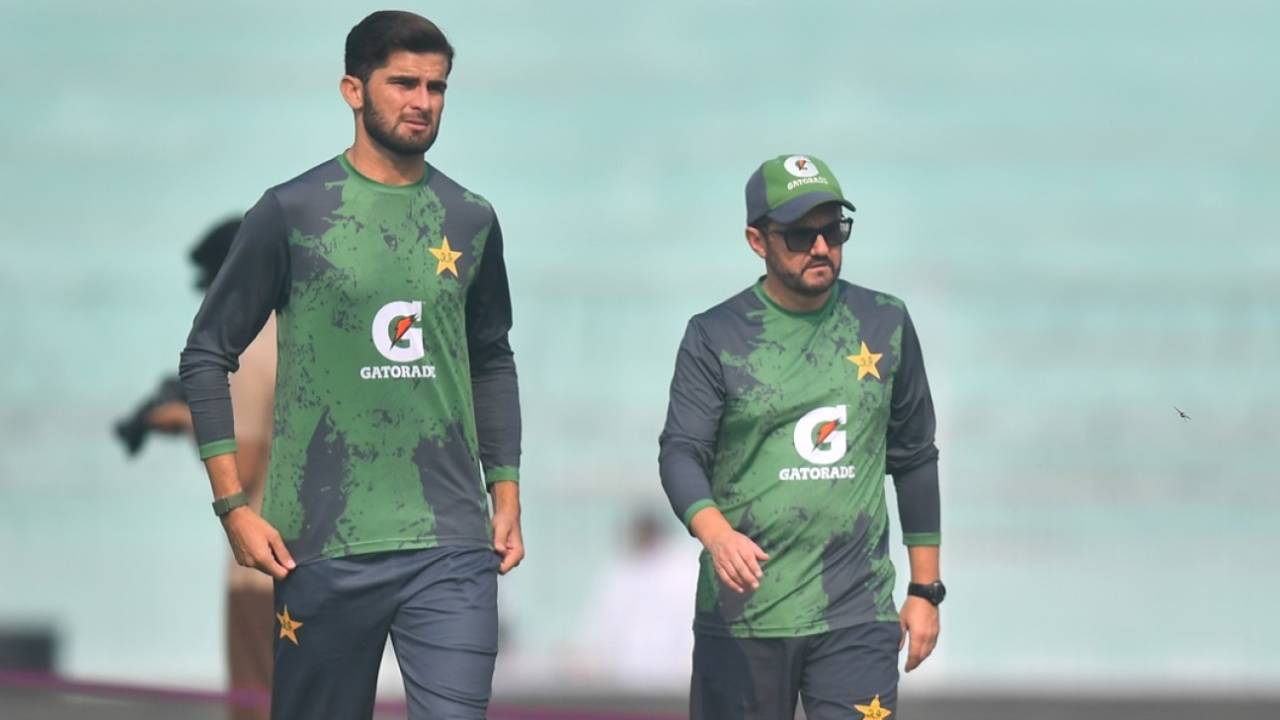
Addressing the Critics: Hesson on Pitch Conditions
The recent decision to prepare a spin-friendly surface in Rawalpindi for the first ODI against Australia sparked significant debate among cricket pundits and fans. However, Mike Hesson has stepped forward to provide context, emphasizing that the team’s tactical approach is rooted in long-term strategic planning for the 2027 ODI World Cup. As Hesson debunks pitches ‘myth’, says there will be ‘variety’ at ODI World Cup, he has urged observers to look beyond the surface level of a single match.
During the opening clash, spinners took center stage, accounting for 11 of the 15 wickets to fall. Arafat Minhas made a historic impression on his debut, claiming a five-wicket haul, while the pitch itself drew scrutiny for being slow and low. Critics argued that such conditions are poor preparation for a World Cup hosted by South Africa, Zimbabwe, and Namibia, where many expect fast and bouncy tracks.
The Reality of World Cup Preparations
Hesson clarified that the upcoming World Cup will not be a monolithic experience of fast, bouncy wickets. Taking to social media to address the chatter, he explained that the tournament’s multi-nation hosting structure introduces a wide array of conditions. While some South African venues may favor pace, Zimbabwe and Namibia offer unique environments where spin remains a critical factor. By preparing in varied conditions now, Pakistan aims to build a versatile squad capable of adapting to any surface.
The coach highlighted that Pakistan has successfully navigated South African conditions before. During a clean sweep in December 2024, Pakistani spinners were the architects of victory in Paarl and Johannesburg. Hesson noted, “Those that remember the last ODI series Pakistan played in SA which included Paarl where spin dictated the outcome of the match. Rest assured we have conducted significant research and will be using the next 18 months to prepare for a variety of conditions.”
Ghori Praises Babar’s Mentorship
As the series shifts to the second ODI, the spotlight has also turned to Ghazi Ghori, who played a vital role in Pakistan’s first-match victory. Ghori, who recorded his maiden half-century in just his second ODI, formed a match-winning 127-run partnership with Babar Azam. Despite being an understrength Australian side, Ghori remains cautious, acknowledging that the tourists will be eager to bounce back.
Reflecting on the pressure of the chase, Ghori credited the presence of Babar Azam for helping him settle in. “Babar Azam had been batting before I went in the middle and he told me about the conditions,” Ghori shared during a practice session. “It gives you a lot of confidence when you have a senior batter with you in the middle. Babar is a proven performer and his presence at the crease made things easier for me. He took the onus on himself and told me that I should focus on rotating the strike.”
Looking Ahead
The tactical awareness shown by the team management and the execution by players like Ghori and Minhas suggest a deliberate effort to diversify Pakistan’s tactical portfolio. Whether the upcoming matches offer spin or pace, the team appears committed to the long-term goal. As the cricket world watches the progress toward 2027, the focus remains on building a resilient unit that can thrive regardless of where the ball lands on the pitch. With the series hanging in the balance, fans can expect more disciplined performances as Pakistan continues to refine its strategy for the global stage.