Sachin Tendulkar suggests radical changes to make IPL competitive

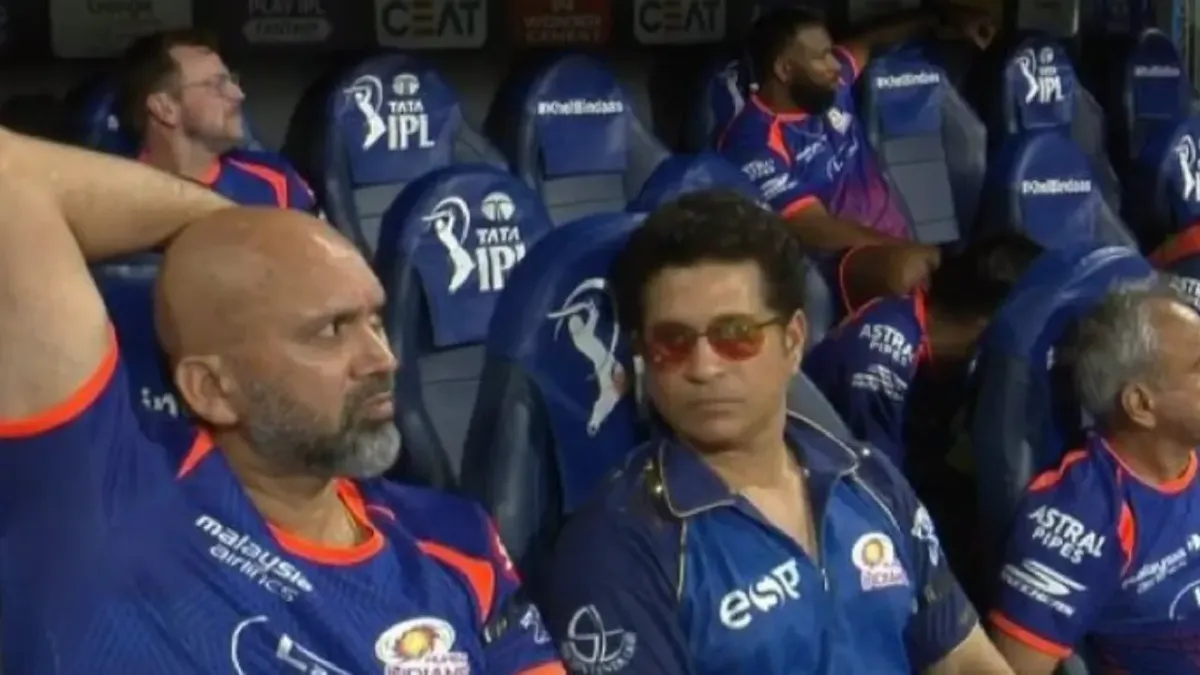
A Vision for the Future of T20 Cricket
The landscape of modern T20 cricket is constantly evolving, and as the Indian Premier League (IPL) continues to set the benchmark for franchise cricket, voices from the legends of the game carry immense weight. During a recent appearance at the ESPN Cricinfo award show, the legendary Sachin Tendulkar shared his insights on how the league can refine its structure to ensure a more balanced and exciting contest. Among the primary talking points, the focus remained on the tactical shifts that could define the next era of the tournament.
The Impact Player Rule Under Scrutiny
Perhaps the most significant point raised by the former Indian skipper is the need to scrap the ‘Impact Player’ rule. Since its inception, the rule has been a subject of intense debate among fans, analysts, and players alike. Tendulkar expressed his clear reservations, stating, “On a personal note, I can say, the impact player rule needs to be done away with.”
His reasoning is rooted in the fundamental balance of the game. He noted that in a 20-over format, the luxury of adding an extra specialist batter or bowler creates an inherent imbalance. The concern is echoed by several active professionals. Delhi Capitals skipper Axar Patel has previously voiced his dissatisfaction, noting that the rule undermines the role of the genuine all-rounder. By allowing a 12th player to seamlessly enter the fray, the tactical nuance of managing a squad of 11 is arguably diluted.
Redefining the Powerplay
Beyond the Impact Player rule, Tendulkar proposed an innovative approach to the powerplay segments. Currently, the powerplay is restricted to the first six overs of an innings. Tendulkar suggests a more dynamic approach: splitting these overs to create different tactical windows.
His proposal involves having four overs of powerplay for the batters with only two fielders outside the circle, while the remaining two overs could be utilized at the fielding captain’s discretion during the middle phase of the game, with three fielders permitted outside the 30-yard circle. This change would theoretically force captains to think on their feet, adding a layer of strategic depth that is currently missing from the predictable middle-over slog.
Empowering the Bowlers
One of the most compelling aspects of Tendulkar’s commentary was his advocacy for the bowlers. In a format famously dominated by willow-wielders, Tendulkar argued for a rule change that would allow one bowler to bowl five overs instead of the standard four. His argument is simple yet logical: if top-order batters can stay at the crease and face the majority of the 20 overs, why shouldn’t the premier bowlers be granted the opportunity to make a greater impact?
“Who doesn’t want to see the best bowler deliver, getting that extra over?” Tendulkar asked. By allowing a team’s best bowler to extend their spell, the game could see a more intense battle between bat and ball during the death overs. This potential change could shift the momentum back toward the bowling side, ensuring that the best individual performers have a larger say in the outcome of the match.
Looking Ahead
As the IPL continues to grow as a global sporting phenomenon, the feedback from icons like Sachin Tendulkar provides a roadmap for sustainable development. While the league is currently the most successful of its kind, the willingness to experiment—and conversely, the wisdom to prune rules that hinder the balance of competition—will be crucial for its future. Whether the governing bodies will adopt these specific suggestions remains to be seen, but the conversation has certainly been sparked, highlighting the ongoing effort to keep the game fair, competitive, and thrilling for the spectators.