Shaheen Afridi on Pakistan quicks losing speed: ‘Machines deteriorate with time’ – Shaheen Afridi Addresses Pakistan Fast Bowling Pace Concerns
The Quest to Regain Pakistan’s Lost Pace
For decades, Pakistan cricket has been synonymous with express fast bowling. From the terrifying speed of Imran Khan and Wasim Akram to the raw aggression of Shoaib Akhtar, the nation has always prided itself on producing bowlers who could clock speeds that would unsettle the best in the world. However, a recent trend has left fans and experts worried: the pace of the current generation is visibly declining.
As the team prepares for their upcoming series, ODI captain Shaheen Shah Afridi has broken the silence on this issue. The concern has reached the doors of the National Cricket Academy (NCA), which is now reportedly devising a strategic plan to help bowlers regain their velocity. The urgency stems from a series of performances where the opposition—most recently Bangladesh—consistently outpaced Pakistan’s attack.
Afridi’s Perspective on Physical Deterioration
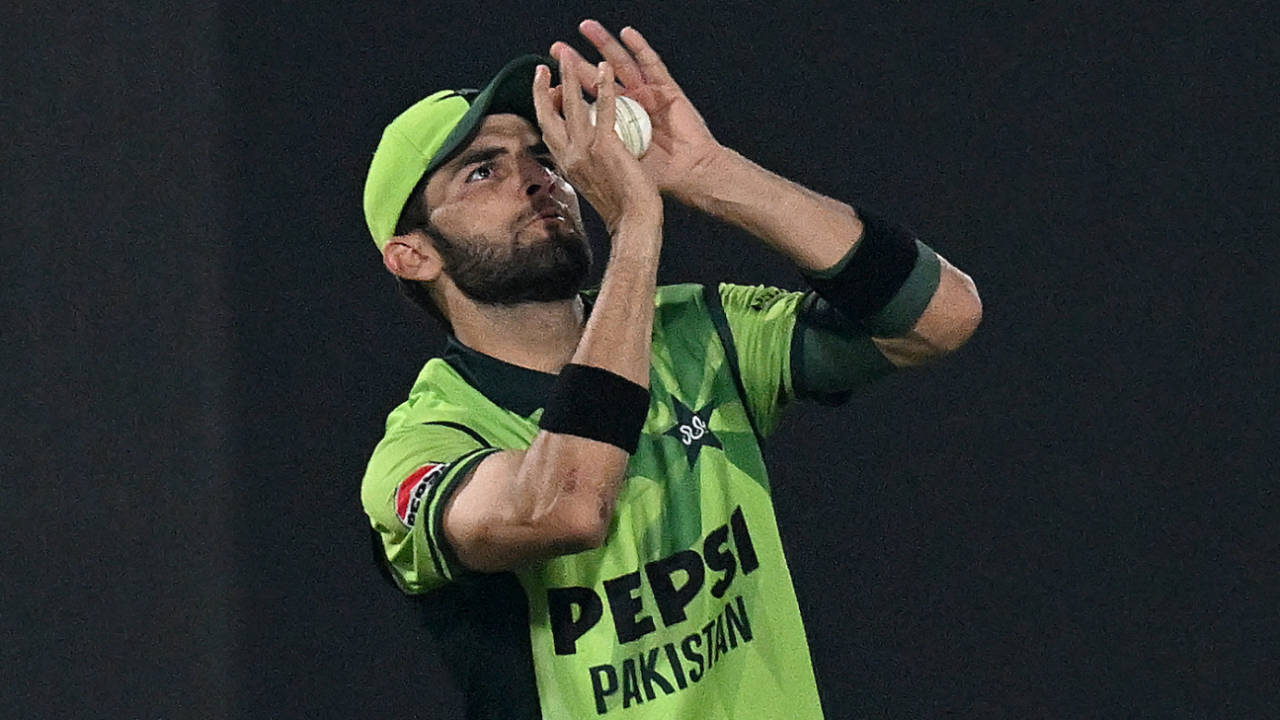
Shaheen Afridi, once the undisputed spearhead of the Pakistan attack, has himself felt the impact of injury and heavy workload. Since his return from a knee injury in 2022, he has struggled to maintain the blistering 140kph mark consistently. Addressing the drop in speed across the board, Afridi offered a candid, if somewhat philosophical, view.
“It is a norm that machines deteriorate with time,” Afridi remarked. “We are trying to recharge ourselves. You can put more pace in the ball when your body has had rest, but our bodies remain always at Pakistan’s disposal. All the bowlers are thinking about how they can increase their speeds.”
The captain emphasized that managing the workload of players who feature across all three formats is a critical challenge. The NCA and the coaching staff are currently focused on rotating players between Tests and ODIs to ensure they remain fresh, hoping that this strategic rest will help them reclaim their natural rhythm and speed.
The Bangladesh Comparison and the Rise of New Talent
The discrepancy in speed was most evident during the recent Test series against Bangladesh, where the visitors’ bowlers were consistently hitting the mid-140s, while Pakistan struggled in the low 120s to early 130s. Some have pointed to the success of Bangladesh’s Nahid Rana as a benchmark. However, Afridi urges caution in comparing a seasoned Pakistan attack with a rising talent like Rana.
“First of all, Bangladesh fast bowler Rana must have played seven-eight matches,” he noted. “It is a norm that machines deteriorate with time.” He believes that the pressure of constant international cricket on senior pacers is vastly different from the energy a younger player brings to the field in their nascent stages.
The Rizwan Conundrum: A Door Left Ajar
Beyond the bowling speed concerns, the selection process for the upcoming ODI series has sparked significant debate. The notable exclusion of wicketkeeper-batter Mohammad Rizwan, despite his solid record as the team’s second-best batter in the current cycle, has raised questions about his future in the ODI format.
Afridi was quick to shut down rumors of a permanent rift or the end of Rizwan’s white-ball career. “I would suggest you not to jump to conclusions,” he stated clearly. “Babar and I were also dropped from the team but we are back. I have spoken to Rizwan about it.”
According to the captain, the decision is purely tactical, aimed at expanding the player pool ahead of the ODI World Cup scheduled for 16 months from now. By giving opportunities to uncapped players like Rohail Nazir, Arafat Minhas, and Ahmed Danyal, the selectors are attempting to build a deeper bench. The message is clear: for Rizwan, as for many others, being dropped is merely a part of the cycle, not the end of the road. As Pakistan looks toward the future, the balancing act between managing their ‘deteriorating’ machinery and scouting for new, high-speed talent will define the success of their upcoming campaigns.