Virat Kohli’s 1 Billion Move Curbed For All Cricketers By BCCI Anti Corruption – BCCI Bans Smart Glasses in IPL 2026 Amid Integrity Concerns

In a significant development aimed at fortifying the integrity of one of the world’s most lucrative cricket leagues, the Board of Control for Cricket in India (BCCI) has introduced a stringent new regulation during the ongoing IPL 2026 season. The Anti-Corruption and Security Unit (ACSU) has issued a directive mandating that all players and support staff involved in the tournament must surrender smart glasses and any other advanced eyewear before gaining entry into restricted match-day areas. This proactive decision underscores the BCCI’s unwavering commitment to preventing any potential technological misuse that could compromise the fairness and transparency of matches.
BCCI Curbs Wearable Technology Amidst Rising Concerns
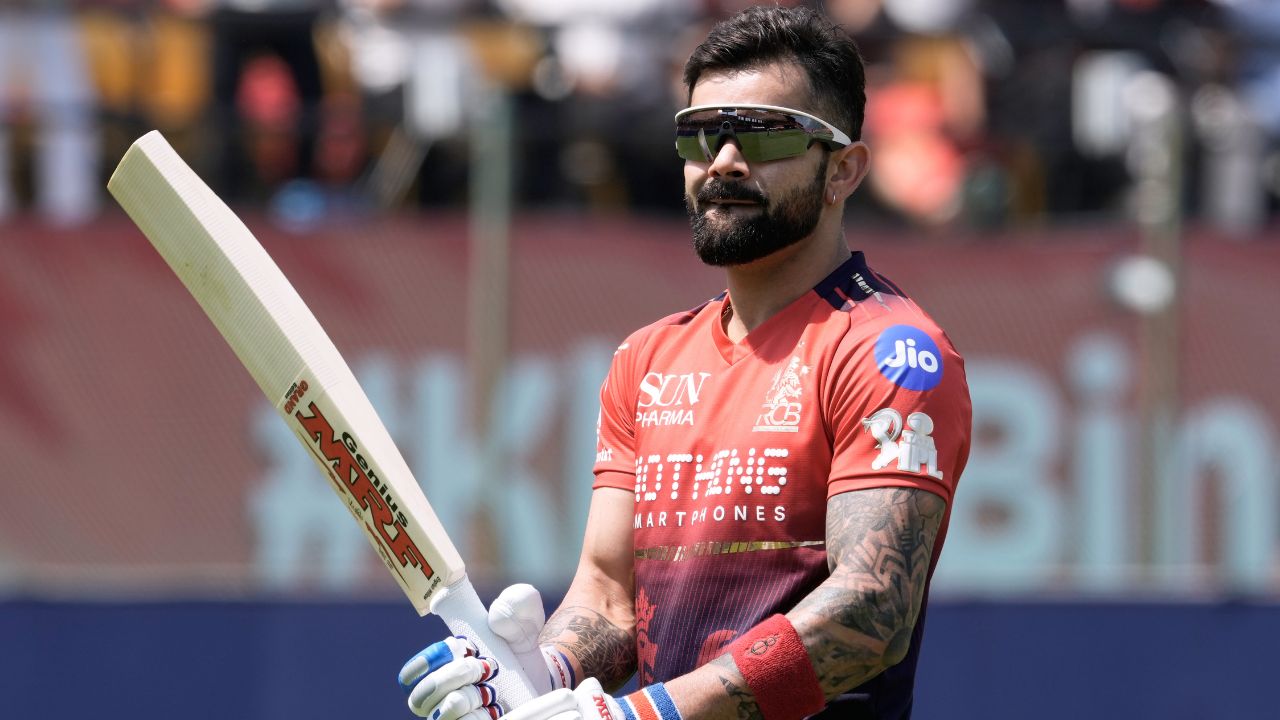
The timing of this groundbreaking announcement has drawn considerable attention, particularly because it closely follows a high-profile campaign by India’s star batter, Virat Kohli, who recently promoted AI-powered smart glasses in the Indian market. The confluence of Kohli’s popular endorsement and the BCCI’s new advisory has inevitably led many observers to connect the dots, highlighting the escalating importance of regulating wearable technology within the sporting arena.
Virat Kohli’s Groundbreaking Smart Glasses Campaign and Its Impact
Earlier, a strategic collaboration between Oakley and Meta Platforms saw Virat Kohli spearhead the launch of Oakley Meta Performance AI glasses in India. This campaign swiftly gained immense traction, largely due to its compelling content which offered fans an intimate glimpse into Virat Kohli’s rigorous training routines, meticulous match preparation strategies, and exclusive behind-the-scenes moments. The visual appeal and the star power of Kohli propelled the promotional video to staggering numbers, accumulating over a billion views and garnering approximately 5.3 million likes across various platforms. During IPL 2026 practice sessions, Kohli himself was frequently observed wearing these innovative glasses, further cementing their public visibility. Despite the undeniable popularity and commercial success of the product and its association with a cricketing icon, the BCCI has now opted to reinforce its regulations concerning such sophisticated devices, signaling a clear priority for match integrity over technological novelty.
The Rationale Behind BCCI’s Smart Glasses Ban
The prohibition of smart glasses is not an arbitrary measure but stems from serious concerns articulated by the ACSU. According to a detailed report by Cricbuzz, the ACSU explicitly warned all IPL teams about the dangers posed by smart glasses, sunglasses, and goggles that are equipped with advanced communication and recording functionalities. These devices are now strictly forbidden within restricted areas on match days.
The ACSU reportedly brought to the BCCI’s attention that numerous companies are aggressively marketing and selling smart eyewear products directly to IPL players and support staff. The inherent capabilities of these devices are a primary cause for alarm: they can facilitate live-streaming, enable the sending of text messages, and support both audio and video calls, leveraging either Wi-Fi or mobile data connectivity. Such features, while innovative in everyday life, present profound integrity and security risks within the highly controlled environment of a professional cricket match.
Consequently, the BCCI has formally classified these devices as “Audio/Video Recording Devices” and “Communication Devices.” This classification places them directly under the ambit of the existing IPL’s Player and Match Officials Area (PMOA) rules, which are designed to prevent any form of unauthorized communication or recording that could potentially influence match outcomes or provide unfair advantages.
Recent Incidents Bolster BCCI’s Resolve
The BCCI’s heightened vigilance regarding technology and conduct within restricted zones has also been fueled by a series of recent controversies during IPL 2026. These incidents have underscored the necessity for more stringent security protocols and a zero-tolerance approach to rule violations.
One notable case involved Rajasthan Royals team manager Romi Bhinder, who faced a hefty fine of Rs 1 lakh for the unauthorized use of a mobile phone in the dugout during a live match. Such breaches, even seemingly minor ones, contribute to an environment where the potential for larger integrity issues can fester. It is precisely because of these types of incidents that the ACSU has taken decisive action, opting to bolster security regulations and enforce them with greater rigor to maintain the sanctity of the game.
Strict New Guidelines for IPL Players and Staff Members
Under the newly implemented guidelines, all players and support staff are now required to deposit their smart glasses, along with their mobile phones and smartwatches, before they are permitted to enter designated restricted zones on match days. These personal electronic devices must be handed over to the designated Security Liaison Officer.
The BCCI has also issued a stern warning regarding non-compliance. Any player or staff member who fails to adhere to these updated rules will face severe penalties for violating the established PMOA protocols. The advisory itself left no room for ambiguity, explicitly stating: “With wearable technology becoming more sophisticated and concerns growing over covert communication methods, the ACSU’s latest crackdown underlines the league’s attempt to stay ahead of evolving integrity risks during one of world cricket’s most commercially significant tournaments.”
In conclusion, the BCCI’s recent actions unequivocally demonstrate that safeguarding the integrity of the game remains its paramount priority. This commitment is particularly crucial in a tournament of the Indian Premier League’s stature, which is not only immensely important from a cricketing perspective but also holds significant commercial value globally. By proactively addressing the challenges posed by advancing technology, the BCCI aims to ensure that the IPL continues to be a fair, transparent, and unblemished spectacle for fans worldwide.