New Era for Sri Lanka Cricket: Sangakkara and Mahanama Join Transformation Committee

- A Decisive Reset for Sri Lanka Cricket
- Leadership and Political Neutrality
- Priority One: Overhauling a Broken Governance Framework
- Priority Two: Restoring Excellence on the Field
- Navigating the ICC and the Shadow of Political Interference
- The Catalyst: Systemic Dysfunction and Public Outcry
- The Transformation Committee Members
A Decisive Reset for Sri Lanka Cricket
Sri Lanka Cricket (SLC) is entering a period of radical transition. Following the government’s decision to oust the previous office bearers this past Wednesday, a nine-member Transformation Committee has been appointed to take the reins of the organization. This move comes as a response to years of mounting pressure, poor on-field results, and a governance structure that many critics have described as antiquated and inefficient.
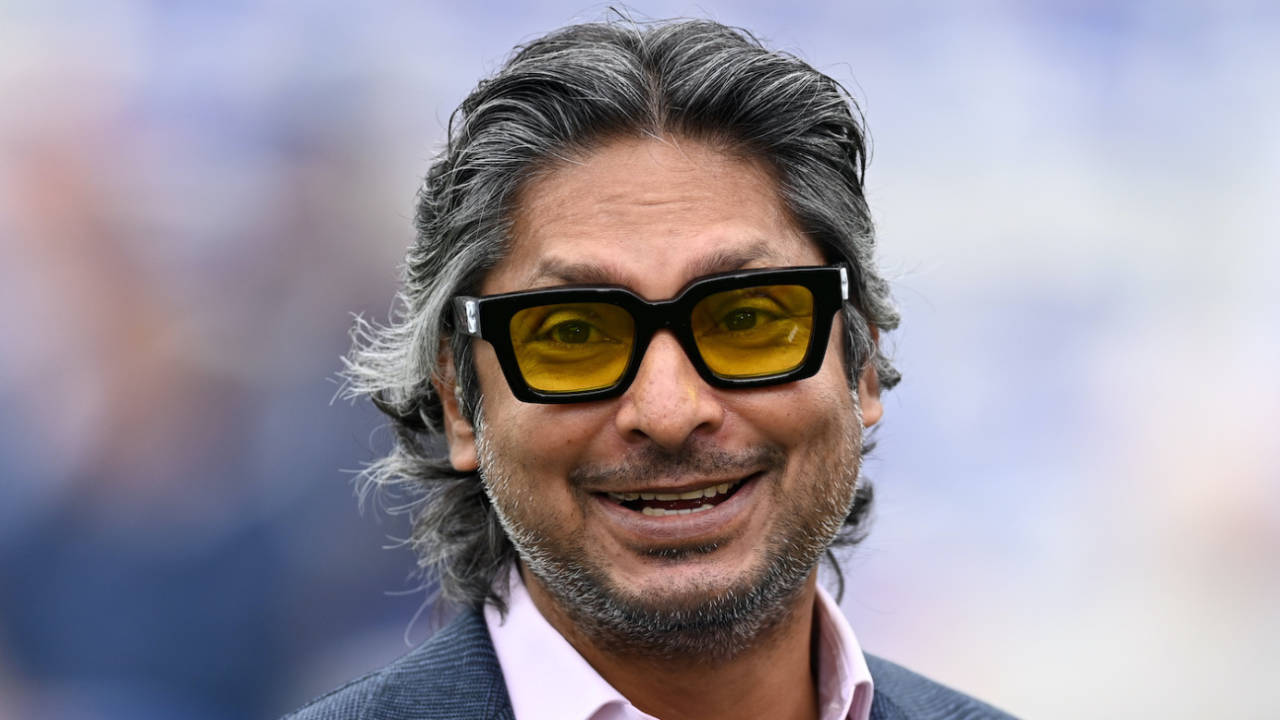
The composition of the new committee is a strategic blend of sporting legend and professional expertise. Most notably, Kumar Sangakkara, one of the most respected figures in world cricket, joins the committee. His presence provides an immediate boost of credibility and technical insight. He is joined by other cricketing stalwarts, including Roshan Mahanama and Sidath Wettimuny, ensuring that the voice of the players and the nuances of the game are represented at the highest level of administration.
Leadership and Political Neutrality
Leading this ambitious endeavor is Eran Wickramaratne, who has been appointed as the chair. Wickramaratne brings a unique dual background in both politics and the corporate sector. In a significant move to ensure the committee’s perceived independence and focus, Wickramaratne—a member of the main opposition party, Samagi Jana Balawegaya—has reportedly stepped down from his political positions within his party to assume this role. He is not currently a member of parliament, a detail that is crucial in mitigating concerns regarding political interference.
“I am privileged to lead a nine-member committee of individuals with impeccable integrity and expertise,” Wickramaratne stated, emphasizing the high standards of the appointed members.
Priority One: Overhauling a Broken Governance Framework
The committee’s first and most urgent objective is a total overhaul of the governance framework at SLC. For years, the existing constitution of Sri Lanka Cricket has been a lightning rod for criticism. It has been widely viewed as archaic and counter-productive, often granting excessive power to cricketing bodies that are either non-performing or, in some cases, non-existent.
Beyond mere inefficiency, the outdated constitution is alleged to have created loopholes that allowed for substantial corruption and mismanagement. To tackle this, the Transformation Committee has included legal experts Dinal Phillips and Upul Kumarapperuma. Their primary role will likely be the drafting and implementation of a new, modern constitution that serves as a robust foundation for the sport, ensuring transparency and accountability are embedded into the organization’s DNA.
Priority Two: Restoring Excellence on the Field
While governance is the foundation, the ultimate goal is performance. The committee’s second priority is to ensure “excellence on the field.” Wickramaratne has outlined a vision to empower the national teams through the establishment of world-class facilities and the introduction of modern incentive models.
The objective is clear: to create a professional ecosystem that enables Sri Lankan players to consistently deliver world-class performances and propel the nation back to the top tier of international rankings. This holistic approach recognizes that administrative stability is a prerequisite for sporting success.
Navigating the ICC and the Shadow of Political Interference
The appointment of a government-led committee is not without risk. The International Cricket Council (ICC) has historically maintained a strict stance against political interference in the governance of national cricket boards. Sri Lanka has felt the sting of this policy before; in 2023, the ICC suspended SLC following alleged interference by the then-sports minister. Even further back in 2015, when a similar interim committee was installed, the ICC reduced SLC to observer status and held its funds in escrow.
To avoid a repeat of these sanctions, the Transformation Committee is positioning itself as a professional entity rather than a political one. The fact that the chair hails from the opposition party is a calculated move to signal neutrality. Wickramaratne has explicitly stated that the committee is “committed to absolute compliance with International Cricket Council regulations,” focusing on professionalism and anti-corruption.
The Catalyst: Systemic Dysfunction and Public Outcry
The catalyst for this drastic change was a combination of poor performance and a perceived lack of accountability. Public pressure on the now-ousted president, Shammi Silva, reached a breaking point following Sri Lanka’s underwhelming showing at the T20 Men’s World Cup, which the country co-hosted in February and March.
The systemic dysfunction was highlighted by the fact that Silva had won the presidency uncontested on three successive occasions. This occurred during a bleak period where both the men’s and women’s senior teams failed to reach the knockout stages of major ICC tournaments since 2014. The lack of competitive leadership at the top was seen as a mirror of the team’s struggles on the pitch.
The Transformation Committee Members
The diverse expertise of the nine members is expected to drive this recovery:
- Eran Wickramaratne (Politics/Corporate)
- Roshan Mahanama (Cricket/Corporate)
- Kumar Sangakkara (Cricket/Business)
- Sidath Wettimuny (Cricket/Corporate)
- Prakash Schaffter (Corporate/Cricket)
- Avanthi Colombage (Corporate)
- Thushira Radella (Corporate)
- Upul Kumarapperuma (Law/Politics)
- Dinal Phillips (Law)