IPL To Take Place 2 Times In A Year! BCCI Announces Massive Action – IPL 2026: BCCI Considers Expanding Tournament Across Two Windows

The Future of the IPL: A Structural Revolution
In a move that could redefine the landscape of global T20 cricket, the Board of Control for Cricket in India (BCCI) is actively evaluating a plan to conduct the Indian Premier League (IPL) across two distinct windows within a single calendar year. As the 2026 edition of the tournament reaches its dramatic conclusion, IPL Chairman Arun Dhumal has shed light on the logistical pressures and strategic opportunities facing the world’s most lucrative cricket competition.
Expanding the IPL Horizon
The current IPL 2026 season has been a spectacle, featuring top-tier competition among franchises like Royal Challengers Bengaluru (RCB), Gujarat Titans, Rajasthan Royals, and Sunrisers Hyderabad. While the tournament traditionally occupies the March-May window, the BCCI is eyeing significant expansion. Current projections suggest increasing the total number of matches to 94, ensuring that each of the ten franchises plays a balanced set of home and away fixtures. However, this growth necessitates more than just a calendar extension.
With the extreme heat often experienced across India in May, the current scheduling model has become increasingly difficult for players, fans, and stakeholders alike. Expanding the schedule further into the summer months poses significant health and operational risks, prompting the governing council to seek a more sustainable approach.
The Proposed Two-Window Model
Arun Dhumal has indicated that the BCCI is looking toward a split-window strategy. In an exclusive discussion, Dhumal noted that the governing council is considering a structure where the tournament could be divided to align better with favorable weather conditions and commercial interests.
One primary proposal involves hosting the first phase of the IPL from February to April, followed by a second phase in the September-October window. This shift is particularly attractive from an advertiser’s perspective, as the September-October period coincides with the Indian festive season, culminating around Diwali, which traditionally drives higher viewership and engagement.
Stakeholder Collaboration and Broadcaster Input
Transitioning to such a massive schedule overhaul requires careful negotiation. The BCCI has emphasized that any changes will be made in consultation with official broadcasters and international cricket boards. Dhumal stated, “We need to sit across and speak to the broadcaster for their opinion on whether the tournament can be moved to another window. We have to do what is best for the game because IPL does not impact only the BCCI, it impacts all other cricket boards and players who play across the globe.”
This global perspective is crucial. Because the IPL acts as a magnet for the world’s best talent, the BCCI is committed to finding a solution that respects the international cricket calendar, ensuring that global stars remain available to participate in the tournament without compromising their commitments to their respective national teams.
The Climax of IPL 2026
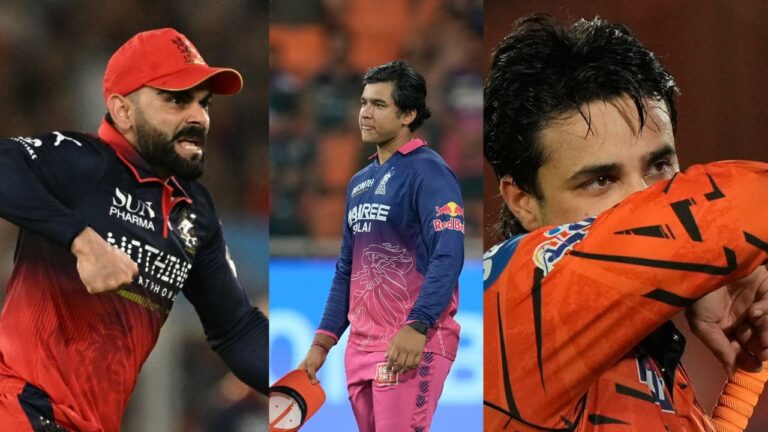
While discussions regarding the future of the league continue, the focus remains firmly on the current season. Defending champions Royal Challengers Bengaluru have already secured their place in the final after a dominant display against the Gujarat Titans in Qualifier 1. Meanwhile, the intensity continues in the Eliminator match, where the Rajasthan Royals face the Sunrisers Hyderabad.
The victor of the Eliminator will progress to face the Gujarat Titans in Qualifier 2, with the winner of that clash moving on to meet RCB in the grand finale. The Mullanpur Stadium is set to host the high-stakes Eliminator and Qualifier 2, while the ultimate champion will be crowned at the Narendra Modi Stadium in Ahmedabad on May 31.
Looking Ahead
Whether the proposed two-window system is implemented in the near future remains to be seen. However, the intent from the BCCI is clear: the IPL must continue to evolve to meet the growing demands of its global audience while prioritizing the well-being of the players and the commercial viability of the league. As the sport moves into a new era, the governing council remains dedicated to finding a harmonious balance between innovation and tradition in the world of professional cricket.