Mike Hesson breaks silence on Pakistan’s decision to drop Mohammad Rizwan from ODI series

Understanding the Strategy Behind the Change
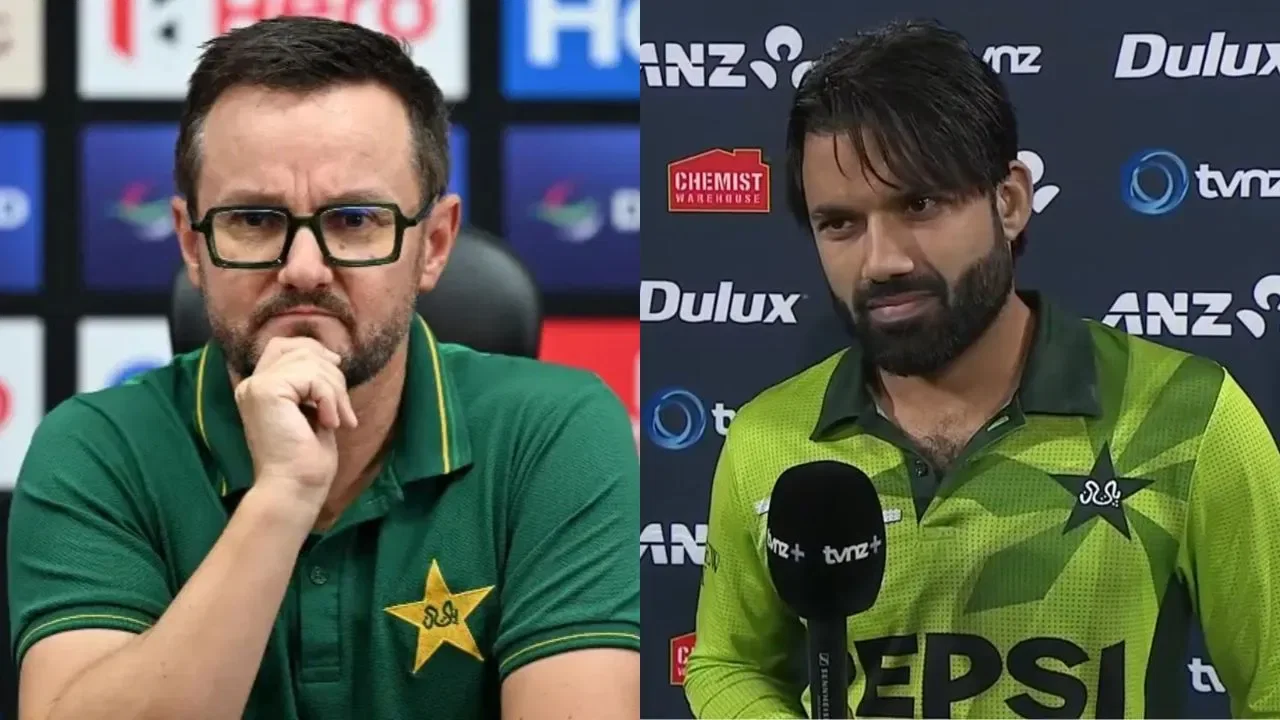
The landscape of Pakistan cricket is undergoing a significant transformation, and at the center of the recent discourse is the exclusion of experienced wicketkeeper-batter Mohammad Rizwan from the upcoming ODI series against Australia. Pakistan white-ball head coach Mike Hesson recently addressed the media at the Rawalpindi Cricket Stadium, providing clarity on the management’s decision-making process regarding team selection and leadership changes.
Addressing the Captaincy Transition
The decision to move away from Mohammad Rizwan’s captaincy in the 50-over format was not one taken lightly. According to Hesson, the change implemented back in October was driven by a necessity to address a lackluster performance record. With only two victories in 12 months, the team management felt that a shift in leadership was essential to rejuvenate the side’s competitive edge.
Hesson was clear that the decision was based on professional performance metrics rather than personal motives. He emphasized that the primary goal is to maximize the team’s output, which involved evaluating how individual numbers translate into collective success. The coach noted that the team had reached a juncture where a change in direction was deemed vital to break the cycle of poor results.
Long-term Planning for the World Cup
Beyond the immediate series against Australia, Mike Hesson highlighted that current squad selections are heavily influenced by a long-term roadmap. With the next ICC World Cup cycle looming in approximately 18 months, the coaching staff and selection panel are prioritizing the assessment of new talent and the experimentation with various team combinations.
“In 18 months’ time, we have a World Cup, so we need to look at the options we have,” Hesson explained. This strategic focus explains the influx of new faces observed in recent series, such as the Bangladesh tour. The management is essentially building a deep talent pool to ensure that when the major tournament arrives, the team is well-prepared and equipped with a versatile roster.
Clarification on the Vice-Captaincy Role
During the press briefing, the head coach also took the opportunity to clarify the team’s internal structure, specifically regarding the vice-captaincy. While there has been some public speculation about the role, Hesson confirmed that Salman Ali Agha has been fulfilling the responsibilities of the vice-captain for the past five tours.
“Salman Ali Agha has been the team’s vice-captain for the last five tours. I’m not aware of any new announcement in the media, but within the team, he’s always been functioning as vice-captain,” Hesson stated. This confirmation puts to rest any ambiguity regarding the team’s leadership hierarchy as they prepare to face the Australian challenge.
Looking Ahead to the Australia Series
Pakistan is set to host Australia in a crucial three-match ODI series, commencing at the Rawalpindi Cricket Stadium on May 30. The squad, led by captain Shaheen Afridi, will look to bounce back from a mixed run in recent 50-over contests, including a testing 2-1 series loss against Bangladesh. With a blend of senior figures like Babar Azam and new talent being integrated, the series serves as a critical litmus test for the team’s revamped approach.
As the team prepares for the opening match, the focus remains on execution and consistency. Whether the strategic changes implemented by the management will yield the desired results remains to be seen, but the clear communication from the coaching staff signals a committed effort to instill a new culture within the Pakistan white-ball setup.