Hemang Badani reveals biggest reason behind Delhi Capitals’ IPL 2026 disaster
A Season of What-Ifs for the Capitals
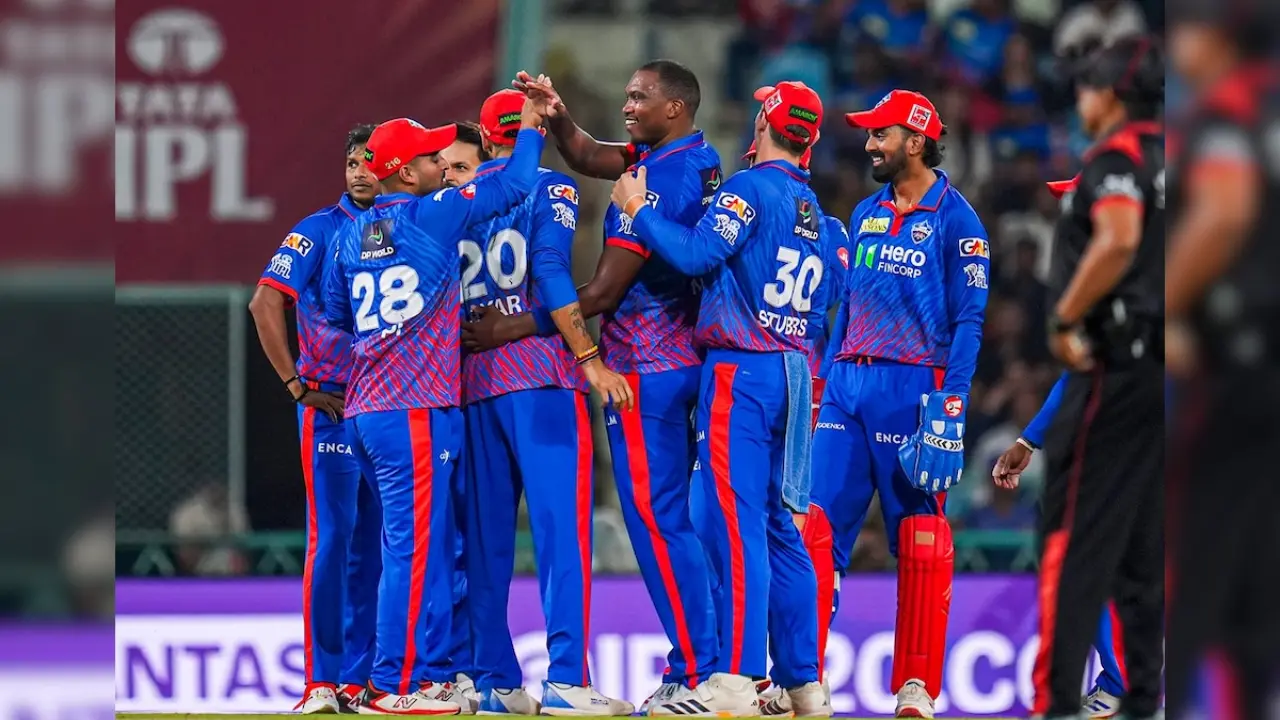
The Indian Premier League 2026 campaign has concluded with yet another chapter of disappointment for the Delhi Capitals. Despite a promising start that ignited hope among their loyal fanbase, the franchise faltered during the business end of the tournament, ultimately missing out on the playoffs for the fifth consecutive year. Led by captain Axar Patel, the team concluded their season in sixth place on the points table, recording seven wins and seven defeats across their 14 league matches.
The Crucial Failure to Close Matches
The narrative of Delhi’s season was defined by narrow margins and missed opportunities. On numerous occasions, the team found themselves in commanding positions only to let the victory slip away in the final overs. Hemang Badani reveals biggest reason behind Delhi Capitals’ IPL 2026 disaster, stating that the primary culprit was the team’s inability to handle pressure when the game reached its boiling point. Following a consolation 40-run victory over Kolkata Knight Riders, Badani openly admitted that the squad simply failed to sustain the necessary intensity required to progress to the knockout stages.
Among the most painful memories of the 2026 season were the heart-wrenching losses against the Gujarat Titans, where the team fell short by a solitary run, and the defensive collapse against the Punjab Kings. In the latter, despite posting a formidable total of 264 runs at the iconic Arun Jaitley Stadium, the bowling unit failed to defend the lead, a result that left both the management and the fans in a state of shock.
Fielding and Bowling Woes
Beyond the tactical struggles, the team’s basic fundamentals were frequently found wanting. Badani highlighted poor fielding as a significant contributor to their downfall. Crucial dropped catches in high-stakes encounters against the Chennai Super Kings and Sunrisers Hyderabad proved to be game-changing moments. In a league as competitive as the IPL, these lapses often prove to be the difference between a playoff spot and an early flight home.
The bowling statistics further illustrate the frustration experienced by the coaching staff. Across 14 matches, the Delhi Capitals’ bowling unit managed to pick up only 64 wickets, ranking them among the lowest in the entire competition. Badani noted that the inability to regularly disrupt the opposition’s batting order made it difficult for the team to exert control.
Batting Inconsistency and Structural Issues
The batting lineup faced similar challenges regarding consistency. A recurring theme throughout the tournament was the collapse of the middle order, where wickets were lost in quick succession. This volatility prevented the team from building necessary momentum, placing undue pressure on the lower order and the bowlers.
Badani elaborated on the collective failure: “Even with us batting, we did not many a times hold on to our wickets. We have lost too many in clusters, if you go back and see the stats. And as a bowling side, you ideally want to pick a lot of wickets. If you see the stats with sides picking wickets, I think we are right at the bottom. I think a culmination of all of it is the reason why we are at 14 points and we could have been a lot better than that.”
Looking Ahead: No Excuses for the Coaching Staff
Despite the initial absence of Australian pacer Mitchell Starc, the head coach refused to cite personnel availability as a convenient excuse for the underwhelming results. He expressed confidence that the squad possessed sufficient quality to compete at the highest level regardless of individual absences. Ultimately, the season was defined by the failure to capitalize on small, decisive margins.
“I genuinely feel that if we had played those small, small, little, little margins and if we had seized those little margins, we would have still been alive in the tournament,” Badani concluded. As the Delhi Capitals head back to the drawing board, the focus will undoubtedly shift toward building a more resilient, consistent unit capable of performing under the intense pressure that the IPL demands.