ICC Proposed Rule Changes: Pink Ball, Coach Referrals, and In-Game Action Monitoring


A New Era for Cricket: ICC Proposes Significant Rule Modifications
The landscape of international cricket stands on the brink of a significant evolution as the International Cricket Council (ICC) discusses a series of sweeping rule changes. Designed to enhance the spectator experience and improve tactical engagement, these proposals could fundamentally alter how Test matches, ODIs, and T20Is are conducted in the near future. The discussions, which took place during a virtual meeting of the ICC Chief Executives Committee involving the ICC Cricket Committee head Sourav Ganguly, are set for final consideration at the upcoming ICC Board meeting in Ahmedabad on May 30.
Revolutionizing Test Cricket with the Pink Ball
Perhaps the most intriguing proposal on the table concerns the equipment used in the longest format of the game. Traditionally, Test cricket has been synonymous with the red ball, while the pink ball has been reserved exclusively for day-night encounters. However, the ICC is exploring the feasibility of allowing teams to switch to a pink ball during standard Test matches if adverse weather or poor light conditions threaten the continuation of play. This flexible approach would aim to keep the game moving under artificial lights, though the proposal includes a caveat: both teams must provide their consent prior to the commencement of the series.
Empowering Head Coaches in ODIs
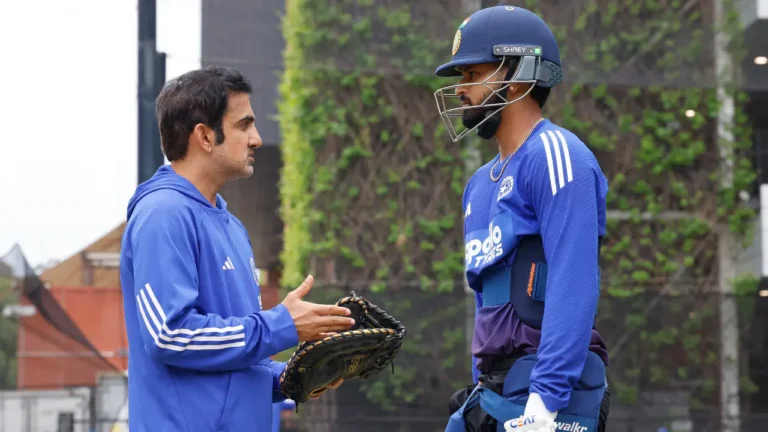
Tactical flexibility is at the heart of another major proposal targeting the ODI format. Currently, coaching staff remain restricted to the boundary ropes, with interaction limited to substitute players delivering drinks. The ICC is now considering a shift that would allow head coaches to step onto the field during drinks intervals. This change would provide an opportunity for direct communication regarding tactics and strategic adjustments, mirroring the current practices seen in T20I cricket during designated strategic breaks. Questions remain regarding whether coaches would be required to don team jerseys to maintain on-field protocol, but the intent is clear: to foster higher-level strategic planning during the heat of an ODI match.
T20I Format Adjustments
The fast-paced nature of T20 international cricket is also under the microscope, with the ICC looking to streamline the transition between innings. The current proposal seeks to reduce the innings break from 20 minutes down to 15 minutes. While this adjustment might seem minor, it will demand greater efficiency from teams as they balance rest, post-innings analysis, and preparations for the second half of the game. This move is consistent with the ICC’s ongoing efforts to keep the T20 format dynamic and engaging for global audiences.
Stricter Oversight of Bowling Actions
Perhaps the most significant technological leap involves the officiating of bowling actions. The ICC is contemplating providing on-field umpires with direct access to HawkEye technology to monitor suspicious bowling actions in real-time. Under current protocols, bowlers are typically reported for suspect actions only after the conclusion of a match. Implementing a real-time system would represent a major shift in how the integrity of the game is upheld, allowing for immediate scrutiny and consistency. While the logistics of such a system are still being determined, the commitment to eradicating illegal actions at the highest level of the sport is clear.
Looking Ahead: The May 30 Decision
These proposals represent a comprehensive effort to modernize the sport while respecting its traditional foundations. Should these changes receive the green signal from the ICC Board on May 30, they could be implemented as early as October 1. The cricket world awaits the outcome of the Ahmedabad meeting, which promises to set the stage for a new tactical and technical chapter in international cricket history. As the sport continues to grow and adapt to the expectations of modern fans and players alike, these potential updates underscore the ICC’s proactive approach to governance and game development.