Why Mohammad Amir Won’t Feature in the IPL Despite British Citizenship

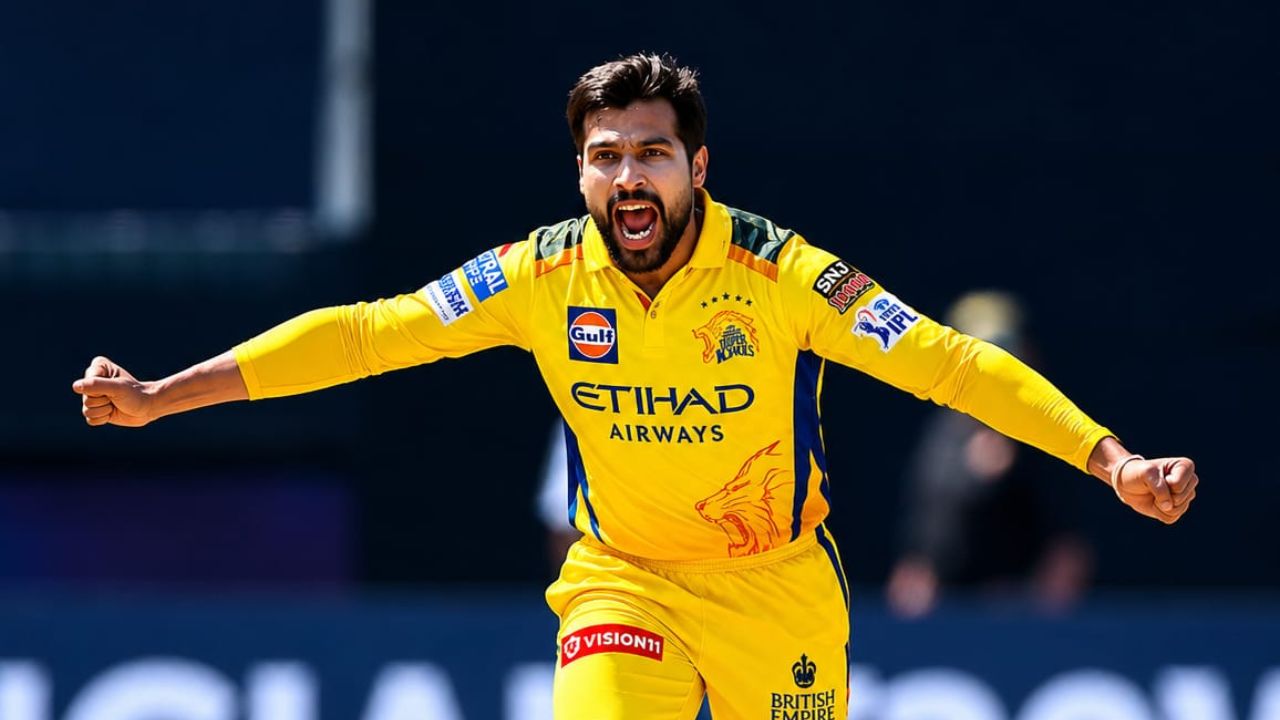
The Myth of the IPL Debut
The cricketing world was recently sent into a flurry of speculation following news that Mohammad Amir, the veteran Pakistani pacer, had officially acquired British nationality. This milestone immediately triggered a wave of conversation regarding his eligibility for the Indian Premier League (IPL). For many fans, the prospect of seeing a bowler of Amir’s caliber grace the IPL stage was an enticing one. However, despite the technical possibility of his entry as a British citizen, the reality of the situation is far more complex.
While the bureaucratic hurdle of citizenship might appear to be cleared, the road to the IPL is paved with more than just legal documentation. From the intricate web of Indo-Pak cricketing relations to the ruthless selection standards of IPL franchises, here is why Mohammad Amir is unlikely to feature in the tournament.
The BCCI Stance on Pakistan-Linked Players
The primary barrier to Amir’s participation is not necessarily his passport, but his deep-rooted professional history. Having represented Pakistan as recently as the 2024 T20 World Cup and competing in the 2026 Pakistan Super League, Amir remains firmly embedded in the Pakistani cricketing ecosystem. The BCCI has historically maintained a firm stance regarding players associated with Pakistan, largely due to the geopolitical tensions that have persisted since 2008.
While historical precedents like Azhar Mahmood—who played in the IPL as a British passport holder—exist, the landscape today is fundamentally different. The political sensitivity surrounding India-Pakistan relations has tightened significantly. For the BCCI, granting a platform to a high-profile player who has been a mainstay of Pakistan’s international setup is a diplomatic risk that the board is unlikely to entertain.
The Risk of Reputational Backlash
Beyond the corridors of boardrooms and government offices, the IPL is a commercial juggernaut driven by fan sentiment and brand value. The inclusion of a polarizing figure like Mohammad Amir would carry an immense risk of public and media backlash. Unlike the situation regarding Azhar Mahmood years ago, the current social climate and the intensity of fan scrutiny have reached new levels.
Franchise owners operate on a model that prioritizes brand stability. Recent examples, such as the backlash faced by Sunrisers Leeds regarding their signing of Abrar Ahmed for The Hundred, demonstrate that fans and sponsors are hyper-aware of political associations. Franchises are unlikely to jeopardize their reputation or alienate their core fanbase by signing a player whose presence could trigger widespread protests or negative publicity.
Performance and the Age Factor
Setting the political discourse aside, there remains a purely cricketing argument against such a signing. The IPL is widely regarded as one of the most competitive T20 leagues in the world, demanding peak fitness and consistent, high-level performance. At 35 years of age, Mohammad Amir is firmly in the twilight of his career.
IPL franchises are notoriously analytical. They prefer to invest their limited overseas slots in younger, high-impact players or proven T20 specialists currently performing at their absolute zenith. Amir’s recent performances across various global leagues, including the BPL and CPL, have failed to reach the extraordinary levels required to turn the heads of IPL scouts. When factoring in his age, his lack of recent international exposure, and the sheer depth of talent available globally, he simply does not offer the same value proposition as the younger, more consistent pace options currently dominating the auction market.
Conclusion
While the prospect of Mohammad Amir in the IPL makes for a captivating headline, the intersection of geopolitical realities, franchise risk management, and shifting performance metrics makes his participation highly improbable. The IPL is a league that thrives on the future, and for the foreseeable future, it appears that the league and the veteran left-arm pacer will remain on parallel, never-meeting tracks.