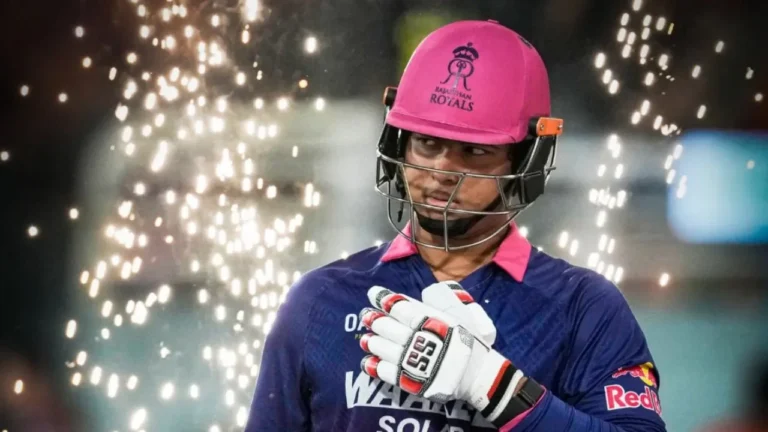
Evolution of Batting: How Modern Cricket and IPL 2026 Shifted Strike Rates


The Modern Batting Revolution
Cricket has undergone a seismic transformation over the past three decades. Perhaps no metric reflects this metamorphosis more accurately than the batting strike rate. By measuring runs scored per 100 balls faced, the strike rate has ascended to become the defining indicator of modern offensive capability. We have transitioned from the measured, patient batting styles characteristic of the 1990s to a global era of unadulterated power-hitting. This evolution has not only changed how players approach the crease but has fundamentally altered the fan experience, making every over a high-stakes momentum shift.
Historical Context: From Survival to Acceleration
To understand the current state of the game, one must look at the historical trajectory. In the 1980s, the average batting strike rate hovered around 66. By the 2010s, that figure had climbed above 80. This increase is a testament to changing philosophies; where earlier generations prioritized wicket preservation and gradual scoring, the modern game demands constant acceleration and an unwavering attacking intent. This trend is not confined to one format—it is a universal shift that permeates every level of professional cricket.
The Transformation of Test Cricket
Perhaps the most fascinating development is the rise of the scoring tempo in Test cricket. Historically, the longest format was defined by defensive fortitude and the mitigation of risk. Today, teams are pushing the boundaries of what is possible, scoring at rates that were once reserved for limited-overs matches. By combining traditional defensive techniques with calculated aggressive stroke play, modern Test batters are forcing results rather than settling for draws. Strike rates that once languished in the low 40s have crossed into the 50s and beyond, signaling a tactical pivot toward momentum control over mere survival.
ODI Efficiency and Tactical Evolution
One Day International (ODI) cricket has similarly evolved into a format dictated by efficiency. Two decades ago, average ODI strike rates sat in the low 70s. Today, competitive sides operate consistently above 90. The most significant tactical change has occurred in the middle overs. Previously, teams would shepherd their wickets for a frantic final-over assault. Now, modern sides apply consistent pressure from the first powerplay to the final ball, rendering the middle-over ‘lull’ a thing of the past.
The IPL Effect and T20 Dominance
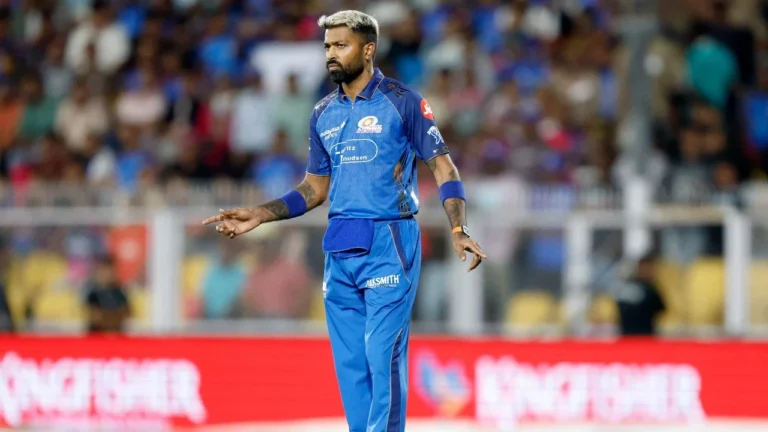
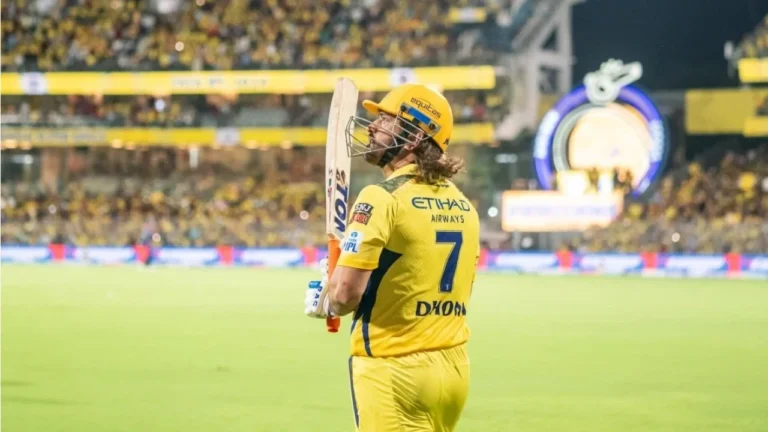
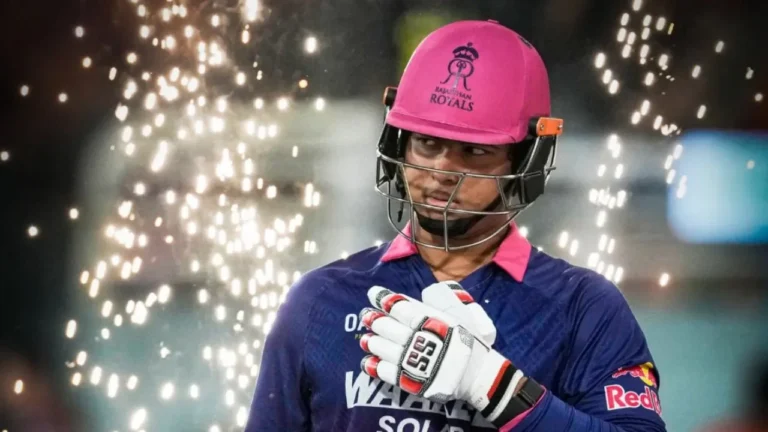
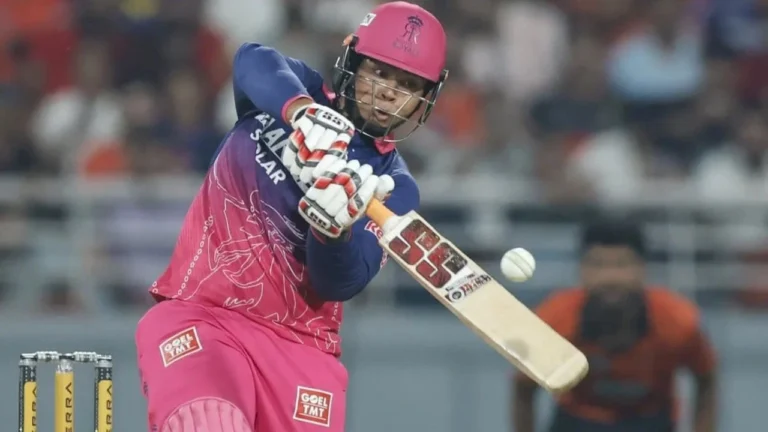
The rise of T20 cricket, spearheaded by the Indian Premier League (IPL), has cemented these aggressive habits. With strike rates exceeding 150 now standard for top-order batters, the game has become a playground for innovation. Concepts like powerplay domination and death-over acceleration are now the bedrock of professional coaching. The IPL 2026 season continues to highlight how fans and analysts alike treat strike rates and powerplay scores as the primary barometers of a team’s health and potential for success.
The Role of Analytics and Technology
Cricket is no longer a game decided by instinct alone. The modern era is defined by deep data analytics. Teams meticulously study scoring zones, bowling matchups, and strike rate patterns to build comprehensive batting strategies. This shift has extended to the fan base, who now leverage real-time statistics and digital platforms to engage with the sport at a deeper level. Whether it is analyzing venue records or player-versus-bowler matchups, the modern follower is more informed than ever.
Pioneers and Technological Gains
The current state of batting owes a debt to pioneers like Viv Richards, who championed aggressive play long before it was the norm, and AB de Villiers, whose 360-degree stroke play redefined the art of the possible. Furthermore, equipment innovation—such as lighter, more powerful bats and advanced protective gear—has emboldened players to take greater risks. Coupled with the Decision Review System (DRS), which provides a safety net for batters, the environment is perfectly primed for attacking cricket.
Conclusion: A New Era for Fans
The evolution of strike rates is far more than a collection of numbers. It represents a fundamental shift in intent and philosophy. As we look at the trajectory from the cautious 1990s to the fearless, data-driven environment of the IPL 2026, it is clear that cricket has successfully adapted to modern entertainment demands. By balancing competitive depth with explosive action, the sport continues to thrive, ensuring that fans remain at the edge of their seats for every single delivery.